

What the day feels like
The road out of San Martín de los Andes climbs and unfurls like a map you finally understand. Lenga forest presses in on both sides—trunks the color of old paper, ferns brushing your knees—and the air is thin with resin and melted snow. When the trees break, a cone takes the stage: Lanín Volcano, a clean, volcanic silhouette that feels carved for postcards. Lakes mirror the sky—blue so sharp it seems to cut—and the wind moves like a critic, shifting moods in a single gust. This is Lanín National Park: a patchwork of Andean forest, ice-polished rock and water bodies that dare you to slow down and look.
Set on the eastern slope of the Andes in Argentina’s Neuquén Province, Lanín is more than a single peak. It’s a living classroom of geology and culture. Rivers that began as glaciers trace ribbed valleys; basalt and ash tell a volcanic story that culminates in a classic stratovolcano. The park’s lakes—Lácar, Huechulafquén, and others along the famed Seven Lakes corridor—are held in basins forged by fire and ice, their shores alternately pebbled and forested, their colors dictated by mineral content and the angle of the sun.
Walking here, you notice the personalities of the elements. The lakes keep a steady calm until wind pushes them into a spatter of whitecaps; the lenga trees keep secrets in their moss; rivers rush with a blunt, impatient energy that moves you along. The Mapuche people shaped human life here for centuries; their place names—Yuco, meaning "a place away from everything"—remain on the map and are still useful signposts for modern travelers seeking quiet.
History and landscape are linked. Established as a national park in the early 20th century, the protected area was created around the iconic volcano that gives the park its name. The volcano looms as a cultural and physical marker: weather-maker, watershed guardian and a backdrop for hikes that range from relaxed shoreline walks to committed ascents. The park’s geological bones are visible in every ridge and shoreline; basalt cliffs and pumice-strewn slopes tell of eruptions and slow, patient erosion. You can feel time folding here—recent glaciation, older volcanic seasons—layers that reward even a casual gleaner.
What travelers want from Lanín varies. Families and day-trippers find Yuco beach and the Chachín waterfall accessible and worthy: short hikes, impressive views and a strong sense of solitude. For those oriented toward longer treks, the park’s network of paths—including routes that a local mountain guide will tailor to ability and interest—opens to ridge-top viewpoints and lake panoramas that compound the reward for effort. Multi-day itineraries based out of San Martín de los Andes often loop in the Seven Lakes road and neighboring Villa La Angostura, marrying scenic driving with forested walking.
Three kinds of visits suit Lanín best, and each captures the park differently. A guided hike—bookable as a half-day or full-day from Bariloche and the surrounding region—lets a seasoned local pick a trail that matches your fitness, whether that’s an interpretive walk highlighting flora and fauna or a more technical scramble. A four-day package based out of San Martín de los Andes blends time in town with drives along the Seven Lakes route and a deeper foray into Lanín, including Huechulafquén Lake and lakeside hiking. Finally, the Hua Hum day trip presses west toward the Chilean border, crossing the Pampa de Trompul and offering short, meaningful hikes to Yuco beach and the thundering Chachín falls—ideal for travelers who want a condensed sampling of the park’s variety.
Practicalities matter here as much as scenery. Trails range from easy shore walks of 1–3 km to full-day treks of 10–15 km; elevation gain depends on route but expect anything from negligible to multiple hundreds of meters for ridge hikes. Terrain alternates between compact forest soil, rocky shorelines and occasional scree. Weather changes can be abrupt: a dry morning can turn windy and wet by afternoon. Daylight varies strongly with season; in summer plan for long, luminous evenings, in shoulder months aim for midday hikes for the warmest conditions.
Gear and a modest fitness level are the baseline. Approach hikes with good trail shoes, a waterproof midlayer and sun protection. Bring water and snacks—there are no reliable services inside the park—and carry a map or arrange for a guide. Local operators provide the advantage of knowledge: a guide will orient you to seasonal flow patterns at waterfalls, bird activity and Mapuche cultural insights you’ll miss alone. If you plan to climb higher slopes or attempt the volcano, only attempt with technical experience or a certified guide; Lanín’s upper slopes can be loose, steep and deceptively fast to change in weather.
For those who want more than a single-day experience, plan logistics around San Martín de los Andes as a base: it’s the nearest town, easy to reach and serviceable for supplies, gear hire and evening recovery. The Seven Lakes drive is a highlight but don’t treat it as a quick photo stop—pull over, take the shoreline trail and let the water reset your pace. Cultural encounters are subtle here: visit local artisans, learn about Mapuche traditions and try patagonian staples—smoked trout and wood-fired empanadas—over a glass of Malbec.
Lanín doesn’t need to shout to be powerful. Here, the volcano watches, the lakes whisper, and the forest holds you upright when you’ve stopped trying to do too much. Whether you take a single guided hike from Bariloche, a four-day circuit from San Martín, or a concentrated Hua Hum day trip, the park rewards attention and curiosity. It’s an exercise in scale—of small boots on huge land—and the best souvenir you can bring home is a recalibrated sense of how big and patient the natural world is.
Trail wisdom
Small choices, better day.
Hire a local guide for reach and depth
A local mountain guide will match trails to your fitness and reveal cultural and ecological insights you’d miss alone.
Layer for sudden weather shifts
Start with a breathable base, an insulating midlayer and a waterproof shell—conditions flip quickly near the volcano.
Bring a refillable water bottle and filter
Facilities inside the park are sparse; filter-capable water lets you refill from clear streams and stay hydrated on longer routes.
Plan hikes for mid-morning to mid-afternoon
Weather and visibility are most reliable between 10am and 3pm; aim to be off exposed ridgelines before afternoon winds pick up.
Local knowledge
Read the place, not just the route.
Watch for native species including Andean condor (occasionally), Patagonian fox.
Keep an eye out for wildlife during the transition between areas and habitats. Respect distance guidelines.
Conservation focuses on protecting lenga forest and aquatic ecosystems; visitors are encouraged to follow Leave No Trace practices and support local guides who practice sustainable tourism.
Follow the guide's instructions on size limits, ethical handling, and leave-no-trace practices.
Yuco beach on Lake Lácar—an easy, quiet spot with great morning light. The lesser-visited eastern shore of Huechulafquén with micro-trails and picnic spots
Locally recommended viewpoints and quiet spots known best to local operators.
Lanín National Park was established in the 1930s to protect the region around the iconic Lanín Volcano and preserve Andean forest and watershed values.
Maritime roots and regional tradition shape the waterways and working coasts.
Seasonal guide
Four versions of the same landscape.
Spring
Best forWildflower displays · Birdwatching · Moderate hikes
ChallengesLate snow on higher trails · Unpredictable rain · Cold mornings
Spring (Sept–Nov) brings awakening wildlife and vibrant understory growth; expect cool mornings and occasional snowpack at altitude.
Summer
Best forFull-day hikes · Long daylight hours · Lake swimming
ChallengesBigger crowds on weekends · Intense UV at high altitude · Afternoon winds
Summer (Dec–Feb) is the most accessible season for all trails and extended itineraries, with warm days and long evenings—pack sun protection.
Fall
Best forAutumn colors · Quieter trails · Photography
ChallengesShortening days · Variable temperatures · Possible early snows
Fall (Mar–May) offers dramatic lenga color and fewer visitors; bring warm layers as temperatures drop quickly after sunset.
Winter
Best forSnow landscapes · Cross-country skiing near town · Solitude
ChallengesClosed or icy trails · Short daylight · Need for snow travel skills
Winter (Jun–Aug) transforms the park into a snowfield—beautiful but requiring winter travel skills and possibly guided support for safe exploration.
Pack with intention
What to bring.
Good to know
Common questions.
Park access policies can change; basic day visits are generally allowed but check current park regulations or operator details—guided tours include necessary access information.
Plan the edges
The details that make the day easier.
Lanín National Park was established in 1937 and is named after the Lanín Volcano, a dominant stratovolcano that anchors the landscape.
Local lodges and cafes in San Martín de los Andes serve smoked trout and artisanal chocolates; Mapuche crafts and storytelling sessions provide cultural context for the landscape.
- Nearest town
- San Martín de los Andes; typical visit length: day trips to multi-day; best transport: rental car or guided minivan tours; park facilities: limited—plan for self-sufficiency.
Choose local guides, stick to existing trails to protect lenga understory, pack out all trash, and avoid using non-biodegradable soaps in lakes and streams.
Explore by topic
Follow the threads.
Keep exploring
Make the story part of the trip.
In four hours you can move from shaded canyon ferns to wind-scoured coastal ridgelines, guided by someone who knows where the light—and the hidden views—live. This private half-day hike on the Monterey Peninsula or Big Sur is compact, curated, and perfect for travelers who want depth without a multiday commitment.
 Related story
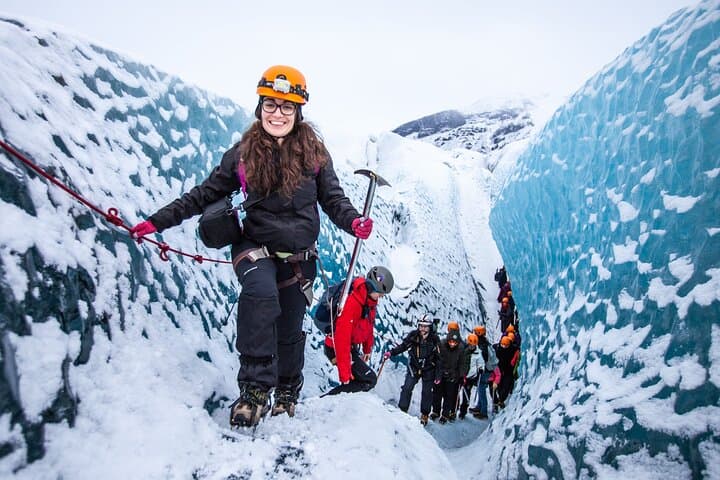
Beneath a sky of shifting light, Skaftafell’s ice reads like a map of time. This three-hour guided glacier hike mixes technical instruction with geology and culture: compact, safe, and unforgettable.
 Related story
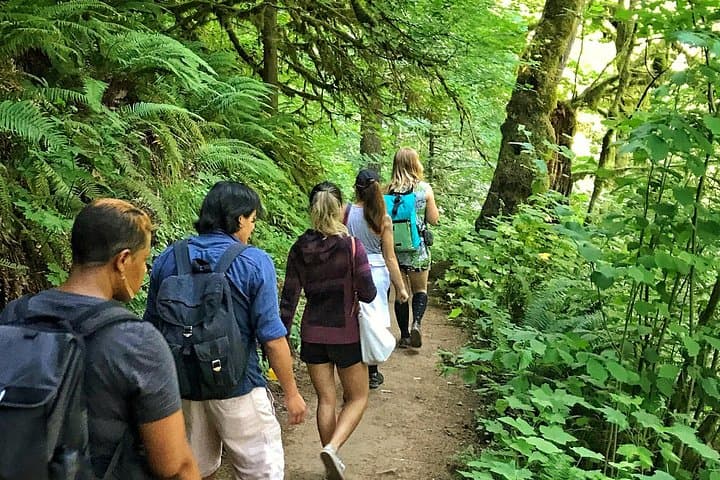
Lose the city for a few hours without leaving it: this 5-mile, 900-foot-gain Forest Park loop threads old-growth pockets, city viewpoints, and cultural landmarks for a compact taste of Portland’s wild side. Expect moss, roots, and stories.