

What the day feels like
When the road from San Martín de los Andes slips into the old-growth araucaria forest, the landscape shifts like the page-turn of a travel journal: trunks like fluted columns, a hush that carries spruce-scented cold, and above it all, the cone of Lanín—white-tipped, perfectly conical—staking its claim on the horizon. At dawn the volcano looks less like a static presence and more like a patient host, inviting you to test your pace and attention. You can approach Lanín as a day-tripper—skirting lakeshores and learning Mapuche stories on a guided drive—or as a climber, carrying crampons and an overnight pack where oxygen thins and the sky opens into a 360-degree theater.
Llanín (commonly spelled Lanín), the stratovolcano that presides over Lanín National Park on the Argentina–Chile border, is a study in contrasts: volcanic rock and glacial snow, araucaria forests that have stood for centuries, and clear Patagonian lakes that mirror the peak. The mountain's summit sits at roughly 3,747 meters (12,293 feet), and its slopes feed the hydrology of Huechulafquén, Paimún and Epulafquén lakes. Geologically, Lanín is part of the Andean volcanic belt—a classic cone formed by repeated eruptions and steep, radial gullies carved by snow and ice. Culturally, the volcano has been part of Mapuche cosmology for generations; the surrounding communities still keep stories and seasonal practices tied to the land.
How you experience Lanín depends on appetite and skill. For most travelers the best introductions are the day tours that thread the park: the "Lake Huechulafquen and Lanin Volcano Day Trip" and the "San Martin de los Andes, Huechulafquen Lake & Lanin Volcano - Full day" route pair sweeping viewpoints of the south face with visits to Mapuche community sites and the Paimún Church, and they work well for anyone wanting cultural context and easy access to the best photo angles. If you want slow, foot-deep immersion among the araucarias and streams, the "Mallin Grande - a different Sightseeing Tour in SMA" offers a gentle hike across the meadowlands and a chance to listen to the Trabunco stream negotiating the valley.
For those who want to feel the mountain move beneath their boots, consider the "2-day guided ascent to Lanin volcano, from Pucón." It’s an alpine-style climb: day one takes you through dense forest and talus to a high camp; day two begins in the dark with crampons and ice axes as you negotiate snowfields and mixed rock until the cone loosens and the summit spills out. Expect a full day of sustained ascent, exposure to winds, and the reward of an expansive bowl of more than a dozen other volcanoes and lakes visible on clear days. Guides emphasize solid mountaineering basics for this route—use of crampons and ice axe, route-finding on snow, and acclimatization.
There’s also a different kind of rush in the area. The Chimehuín River, visible from many vantage points around Lanín, offers "Chimehuin River Rafting: Rapids Adventure," a Class II–III rafting trip that pairs fast water with forested canyon scenery and a brief lakeside stop inside Lanín National Park. It’s a good complement to slower land-based days: the river literally pushes you forward and feels like a different conversation with the same landscape.
Practical notes that make the mountain approachable: the region’s weather changes rapidly—clear mornings can give way to afternoon cloud and wind—and the seasonality matters. Summer (December–February) is the window for ascents with the most stable conditions; winter turns the upper slopes into technical ice and requires full alpine experience. Entry to Lanín National Park is managed locally; some day tours include park fees and hotel transfers from San Martín de los Andes.
For food, San Martín de los Andes is more than a basecamp—its artisan markets and restaurants offer Mapuche-inspired dishes featuring piñón (the seed of the araucaria) and hearty Patagonian fare that feels earned after trail miles. Local guides often end gentle treks with a communal Mapuche meal—see the "Trekking Andean Lagoons + Mapuche Cuisine" itinerary for this exact blend of views and flavor.
Planning essentials: hire a certified guide if you’re attempting the summit, carry layers and emergency shelter even on day trips, and respect the araucaria groves—these trees are slow-growing and ecologically critical. If you’re combining activities, a morning on a trail followed by an afternoon raft on the Chimehuín is a balanced approach—land and water both highlight Lanín’s varied personality.
Who should go: adventurous hikers with some alpine experience, travelers seeking cultural and natural depth, and photographers after glassy-lake-mirrors and sharp volcanic silhouettes. For people who want a softer pace, the lakeside drives and lagoon treks give big returns on smaller effort. For seasoned mountaineers, Lanín's summit rewards careful preparation: the climb is methodical rather than technical, the exposure real but manageable with proper gear and a guide.
In short, Lanín is a mountain that rewards curiosity. You can come for an afternoon of sweeping viewpoints and local cuisine, or you can test your limits with crampons in a two-day alpine push. Either way, the volcano asks you to move slowly through its forests, listen to the water as it finds the lowest passages, and, if you’re lucky, watch the cone change color across a Patagonian dawn.
Trail wisdom
Small choices, better day.
Acclimate first
Spend a day in San Martín de los Andes before attempting high routes to help your body adjust to altitude and exertion.
Layer for sudden weather
Bring a windproof shell and insulating midlayer—Patagonian weather shifts quickly from sun to wind and snow.
Respect the araucarias
Stay on marked trails and avoid campfires in the old-growth piñón forests to protect slow-growing trees.
Hire local guides for the summit
Guides provide route knowledge, safety with crampon and ice-axe techniques, and connections to Mapuche cultural context.
Local knowledge
Read the place, not just the route.
Watch for native species including Andean condor, Huemul (Andean deer).
Keep an eye out for wildlife during the transition between areas and habitats. Respect distance guidelines.
Lanín National Park protects rare araucaria forests and headwater streams—support local guides and follow Leave No Trace principles to minimize impact.
Follow the guide's instructions on size limits, ethical handling, and leave-no-trace practices.
Mallín Grande meadow and Trabunco stream—an under-visited, tranquil hike close to San Martín de los Andes. Paimún Church and the quieter south-lake viewpoints for mirror-like reflections of the cone
Locally recommended viewpoints and quiet spots known best to local operators.
Lanín sits within ancestral Mapuche territory and is woven into local cosmology; the region’s settlements and churches reflect centuries of cultural exchange and resistance.
Maritime roots and regional tradition shape the waterways and working coasts.
Seasonal guide
Four versions of the same landscape.
Spring
Best forWildflowers and thawing creeks · Birdwatching · Shorter treks without deep snow
ChallengesMud and boggy trails · Unpredictable storms
Spring (Sept–Nov) brings melting snow and green growth; trails can be muddy and higher routes may still hold snow—expect variable conditions.
Summer
Best forSummit attempts · Lake reflections and long daylight · Multi-activity days (hike + rafting)
ChallengesAfternoon storms · Crowds at popular viewpoints
Summer (Dec–Feb) is the ideal season for climbing and combining lake tours with day hikes—drier, more stable weather but remain wary of sudden winds.
Fall
Best forFall color in araucaria understory · Quieter trails · Photography of crisp air vistas
ChallengesShorter daylight · Cooler nights and early snow at altitude
Autumn (Mar–May) offers fewer crowds and clear light, but pack warm layers—snow can arrive early at higher elevations.
Winter
Best forSnow landscapes and alpine training · Serene, empty trails for experienced mountaineers · Backcountry skiing for experts
ChallengesTechnical ice conditions · Limited services and access closures
Winter (Jun–Aug) turns Lanín into a technical snow and ice objective—only for experienced, properly equipped parties with local knowledge.
Pack with intention
What to bring.
Good to know
Common questions.
For the summit, hiring a trained local guide is strongly recommended—guides handle route-finding, safety on snow, and logistics such as high camp setup.
Plan the edges
The details that make the day easier.
Lanín is a stratovolcano that forms part of the Andean volcanic belt and has long been considered a sacred mountain by the local Mapuche people.
Local Mapuche culture remains visible—look for artisan shops in San Martín de los Andes, taste piñón-infused dishes and try a communal Mapuche meal after a lagoon hike.
Choose local, small-group operators, avoid campfires in araucaria forests, pack out all waste, and respect Mapuche cultural sites—your visit should support conservation and local communities.
Explore by topic
Follow the threads.
Keep exploring
Make the story part of the trip.
In four hours you can move from shaded canyon ferns to wind-scoured coastal ridgelines, guided by someone who knows where the light—and the hidden views—live. This private half-day hike on the Monterey Peninsula or Big Sur is compact, curated, and perfect for travelers who want depth without a multiday commitment.
 Related story
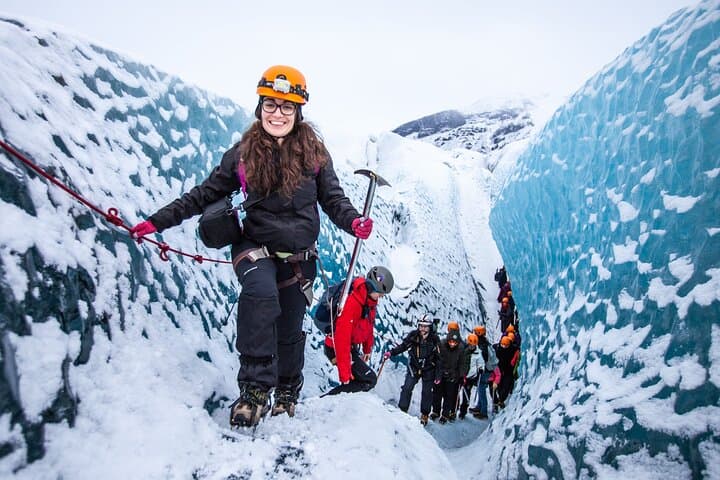
Beneath a sky of shifting light, Skaftafell’s ice reads like a map of time. This three-hour guided glacier hike mixes technical instruction with geology and culture: compact, safe, and unforgettable.
 Related story
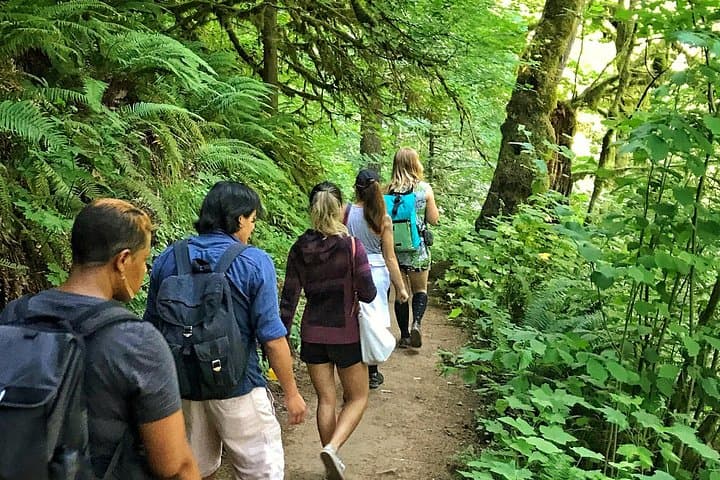
Lose the city for a few hours without leaving it: this 5-mile, 900-foot-gain Forest Park loop threads old-growth pockets, city viewpoints, and cultural landmarks for a compact taste of Portland’s wild side. Expect moss, roots, and stories.