

What the day feels like
The guide switches off the lamp and for a beat you travel back into first light: only the hiss of water and the wet echo of your own breath fill the cave. A single beam slices across a cathedral of stone—fragile curtains, dripping stalactites that have grown imperceptibly for millennia. You step forward and the river, cool and steady, dares you to keep going. This is Rio Secreto, a subterranean weave of passageways and cenotes just inland from Playa del Carmen where the Yucatán’s karst heart meets clear groundwater.
Twenty minutes from the coast, Rio Secreto translates the region’s geology into experience. The limestone plateau that makes the Yucatán unique is riddled with voids formed by rainwater dissolving rock over eons; when sea levels stabilized, many of these passages flooded to become the underground rivers locals now guide you through. Walking and wading through these caverns feels less like a hike and more like an archaeological excavation of the landscape: calcite formations are the archive, water is the curator, and the light of your helmet is the only way to read the pages.
The human history folded into these caves is quiet but resonant. The Maya knew the cenotes and caverns as portals to the underworld—sacred places of ritual and water. Modern exploration and formal conservation at Rio Secreto grew out of a desire to protect a fragile aquifer and to share its wonder without destroying it. Today, guided tours run along carefully maintained paths and shallow water routes; visitors are coached on etiquette (no sunscreen, no touching formations), and guides explain both geology and the indigenous significance of the space.
What makes Rio Secreto work as an adventure is how accessible and intimate it is. You don’t need technical caving skills, ropes, or a background in speleology—yet the environment demands attention. Paths wind across submerged flooring, simple ledges and gentle inclines replace steep ascents, and water depth ranges from ankle to chest depending on the section. Tours typically include a short surface walk through jungle, a chance to stand beneath a collapsed cenote roof, and an hour or more traversing the underground river itself. Expect a mix of walking on slick stone and slow wading; your reward is not summit views but an otherworldly closeness to rock and water and the slow patience of geological time.
Practical details matter here. Tours last about three to four hours door-to-door when transfer time is included, with the underground section generally about 1–2 hours and covering roughly 1–2 kilometers. Temperatures inside stay steady in the mid-70s°F (mid-20s°C), so you’ll be comfortable once you’re wet, but you’ll want a warm shirt for the ride home. Guides provide helmets, life vests, and neoprene vests; most operators also sanitize gear and limit group sizes to reduce impact. The route is family-friendly for older children but not recommended for anyone with serious mobility issues due to slippery terrain and water crossings.
Packing and planning are straightforward but strict: no lotions or sunscreens inside because oils stain the formations and disrupt aquatic ecology. Wear quick-dry clothing and closed-toe water shoes with good tread; many operators provide neoprene vests and helmets. Bring a dry bag for phones and a small waterproof camera if you want images—otherwise, put your phone away and focus on the light tracing the cave walls. Book ahead in high season (December–April) and aim for a morning slot to avoid crowding and to pair the tour with an afternoon on the Riviera Maya.
Physically this is a moderate adventure: you’ll be on your feet and wading for sustained periods, but you won’t be hauling weight or climbing ropes. Expect to move deliberately—part of the experience is the rhythm set by the cave. Guides narrate geology and ecology along the way: how stalactites and stalagmites form, how the cave acts as a natural filter for groundwater, and how the reserve balances tourism with protection.
If you want to extend the experience, combine a Rio Secreto visit with surface exploration—biking through nearby sugarcane fields, snorkel trips along the Mesoamerican Barrier Reef, or a morning at one of the region’s open cenotes. Locally run restaurants in Playa del Carmen offer simple Yucatecan dishes—ceviche, cochinita pibil, and papadzules—that reward damp clothes and appetites sharpened by adventure. Importantly, Rio Secreto’s management emphasizes sustainability: guided access, limits on visitor numbers, and educational programs aim to preserve the formations and the aquifer they protect.
For travelers who want adventure without technical commitment, Rio Secreto hits the sweet spot. It strips away the hustle of the coast and trades it for a different kind of horizon: low light, intimate scale, and the tactile memory of water and stone. Prepare with sensible gear, follow the guide’s instructions, and you’ll leave with more than a few photos—you’ll carry a sense of place that’s geological in scope and human in scale: the Yucatán’s hidden veins, ancient and alive beneath the Riviera.
Trail wisdom
Small choices, better day.
Leave sunscreen and lotions behind
Oils and chemicals damage calcite formations and local water systems—use biodegradable products before your visit and rinse them off.
Wear closed-toe water shoes with grip
Cave floors are slick and uneven; sturdy water shoes protect feet and improve traction when moving through shallow passages.
Use a small waterproof camera or dry bag
Low light and wet conditions mean phones can be ruined—use a compact waterproof camera or secure devices in a dry bag.
Follow the guide’s pace and rules
Guides control group impact and safety—don’t touch formations, and keep voices low to preserve the cave’s environment and local wildlife like bats.
Local knowledge
Read the place, not just the route.
Watch for native species including bats that roost in cave chambers, small freshwater fish and cave-adapted invertebrates.
Keep an eye out for wildlife during the transition between areas and habitats. Respect distance guidelines.
Tours are managed to limit group sizes and contamination; visitors are asked to avoid sunscreen and follow strict no-touch rules to protect formations and aquifers.
Follow the guide's instructions on size limits, ethical handling, and leave-no-trace practices.
A nearby open cenote for a relaxed swim after the cave tour. Local artisan stalls near Playa del Carmen selling hammocks and hand-painted pottery
Locally recommended viewpoints and quiet spots known best to local operators.
The Yucatán’s flooded cave systems have long been sacred in Maya cosmology and are central to local hydrology and culture.
Maritime roots and regional tradition shape the waterways and working coasts.
Seasonal guide
Four versions of the same landscape.
Spring
Best forfewer crowds than peak winter · comfortable temperatures · combining with snorkeling trips
Challengesoccasional rain showers · higher humidity
Spring balances pleasant weather with steadily rising visitor numbers; mornings remain the best window for quieter cave access.
Summer
Best forwarm surface swimming · long daylight hours · combining with reef activities
Challengesheat outside the cave · summer thunderstorms · higher humidity
The cave is a cool refuge in summer, but expect higher humidity and potential afternoon storms—book morning tours to avoid weather disruptions.
Fall
Best forcalmer seas for reef trips · lower shoulder-season prices · lush jungle surrounds
Challengeshurricane season peak (Aug–Oct) · possible closures due to storms
Fall brings greener jungle and fewer tourists, but check forecasts and tour availability during hurricane season.
Winter
Best fordry weather and calm seas · peak-season availability for other Riviera activities · clear skies for travel
Challengeshigher crowd levels · advance bookings required
Winter is the most reliable season weather-wise—expect busier tours and the need to reserve spots ahead of time.
Pack with intention
What to bring.
Good to know
Common questions.
Expect about 3–4 hours total including transfers; the underground portion typically lasts 1–2 hours covering around 1–2 kilometers.
Plan the edges
The details that make the day easier.
The Yucatán’s cenote and cave systems are part of one of the largest groundwater reservoirs in the world and provide crucial freshwater recharge for the region.
Pair the subterranean silence with surf and sand: Playa del Carmen’s food scene ranges from street tacos and cochinita pibil to seafood ceviche—support local guide cooperatives and artisan stalls that keep tourism benefits in the community.
- Know-before-you-go
- 3–4 hour tour, guided-only access, closed-toe water shoes required, no sunscreen in caves, morning slots best for fewer crowds.
Tours limit group sizes, require rinsing off sunscreens, and maintain boardwalks to reduce erosion—follow all guidelines to protect fragile formations and the regional aquifer.
Explore by topic
Follow the threads.
Keep exploring
Make the story part of the trip.
In four hours you can move from shaded canyon ferns to wind-scoured coastal ridgelines, guided by someone who knows where the light—and the hidden views—live. This private half-day hike on the Monterey Peninsula or Big Sur is compact, curated, and perfect for travelers who want depth without a multiday commitment.
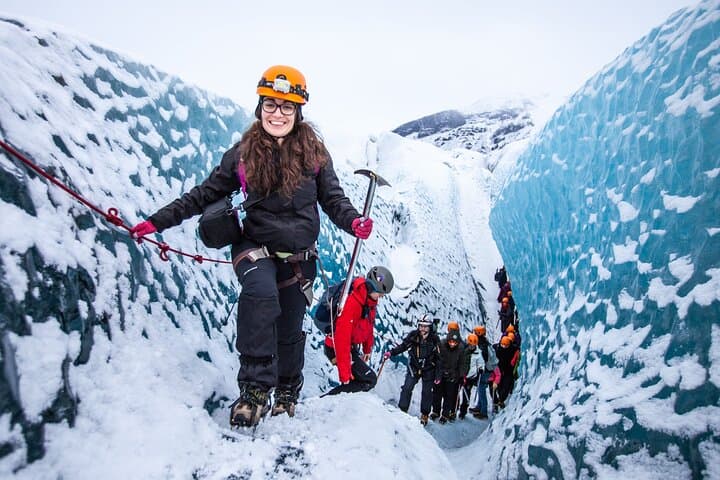 Related story
Beneath a sky of shifting light, Skaftafell’s ice reads like a map of time. This three-hour guided glacier hike mixes technical instruction with geology and culture: compact, safe, and unforgettable.
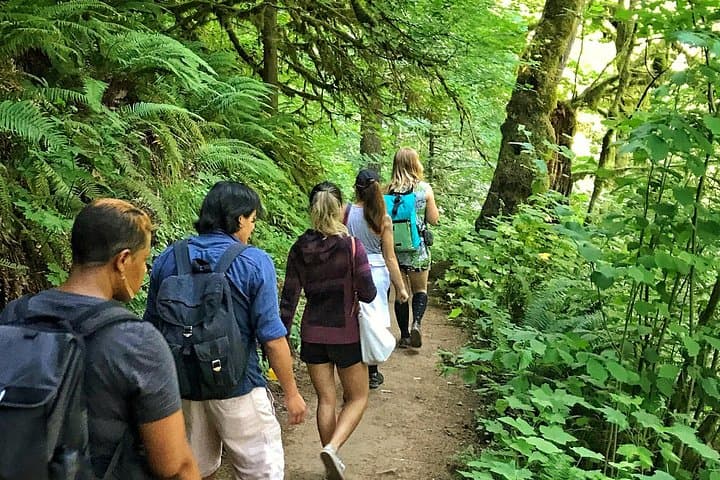 Related story
Lose the city for a few hours without leaving it: this 5-mile, 900-foot-gain Forest Park loop threads old-growth pockets, city viewpoints, and cultural landmarks for a compact taste of Portland’s wild side. Expect moss, roots, and stories.