

What the day feels like
You step off the road and into a cool hush—the kind of silence that feels like someone pressed pause on the world above. The air tastes faintly of mineral and damp earth as the light level drops and the handrail guides you toward the throat of Boyden Cavern. Outside, Kings Canyon’s pines and granite cliffs soak up the sun; here, the cave keeps its own weather. Water has been doing the slow work of carving and polishing these rooms for tens of thousands of years. The result is a compact, theatrical underworld of draperies, columns, and a subterranean stream that seems to dare you to follow its path deeper into the mountain.
Boyden Cavern sits tucked into the western edge of Kings Canyon National Park, a pocket of cool marble and limestone carved by persistent water and the uplift of the Sierra Nevada. It’s not the endless maze of some of the country’s bigger cave systems, but that intimacy is its strength: you can feel the scale and the story of the rock. Formations are low enough to brush by in places, broad and cathedral-like in others. Light from a guide’s lamp picks out crystalline sheen on flowstone and casts dramatic shadows on the ceiling, turning every drip into a slow, visible punctuation mark.
The cavern’s appeal is both sensory and geological. The rooms trace the history of water on a hard landscape—rivulets become tunnels, tunnels become chambers, and the chemistry of calcium carbonate leaves behind stalactites and stalagmites that grow on geological time. In many ways, visiting Boyden is like reading a ledger of the Sierra’s hydrology: where water flowed fastest, it cut; where it pooled, it deposited; where conditions stayed consistent, a delicate soda-straw stalactite began to form.
Culturally and logistically, Boyden fits into the greater Sequoia and Kings Canyon experience. Many visitors pair a cave tour with a day among the giant sequoias, a sunset at Moro Rock, or a hike along the Kings River. One popular way to visit is via a guided 2-day private tour that links the Giant Forest, General Sherman Tree, and Boyden Cavern with a comfortable pace and local knowledge—an efficient option if your time is limited and you want someone else to handle access and logistics.
What you notice first on the tour—after the quiet—is the temperature. The cave holds a steady cool, usually in the mid-40s to mid-50s Fahrenheit. That sameness is helpful: you’ll stay comfortable if you come prepared with layers. Terrain inside the cave is a mix of paved paths and stairs. It’s accessible in a way that many wild caves aren’t; you’re not expected to crawl or squeeze. The trade-off is that there are steps and some uneven surfaces, so steady footing matters.
Historically, the cave became a local attraction in the early 20th century as roads opened up access to the Sierra. It’s been run as a show cave for decades, with careful pathways and interpretive tours that explain both the natural processes at work and the human story of exploration and stewardship. That stewardship is key—visitor management keeps fragile formations from accidental damage and helps preserve the ecosystem of microbes and damp-loving insects that make a cave environment unique.
Practical guidance for a visit
Timing: Tours are commonly scheduled during park visiting hours from late spring through early fall; check ahead for seasonal openings. Guided tours typically last 30–60 minutes—long enough to see the main chambers and understand the cave’s geology without losing the intimacy of the experience.
What to expect: Expect cool, damp conditions and a steady, easy walking route with stairs. Flash photography may be restricted in certain areas to protect delicate formations. The cave is not a spelunking expedition—no crawling—but it is a real underground environment with all the sensory shifts that implies.
How to get there: Boyden Cavern is accessed by a short walk from the parking area; if you’re booking independently, the nearest common bases are Visalia or Fresno, with many visitors combining a visit here with other Sequoia and Kings Canyon highlights. If you prefer turnkey logistics, private 2-day tours from major cities like Los Angeles bundle Boyden with the Giant Forest and Grizzly Falls.
Preparation: Wear solid footwear—trail shoes or hikers with good traction—and bring a light jacket for the cave’s cool interior. A small headlamp is optional—guides typically provide lights during tours—but a compact LED can be useful if you like to see detail without relying entirely on public lighting.
Why go now
Boyden Cavern is compact enough to be a satisfying stop on a condensed park itinerary, but it rewards a slow eye. If you’re a geology buff, the formations and the cave’s marble and limestone textures are a compact primer on karst processes. If you’re camping or spending time in the high country, the cave’s cool air is a literal and figurative refuge from the heat and sun. And for families, the combination of accessible infrastructure and authentic subterranean landscape makes for a memorable, manageable adventure.
There’s a rhythm to the experience: the approach, the hush, the guided narration, a few moments of private wandering at the edge of the group, and then the ascent back to daylight. Out on the trailhead, the pines seem louder and the sunlight more immediate. The mountain did the hard work; you get to walk through the results—quietly, respectfully, and with the knowledge that the slow art of cave formation will continue long after you’ve gone home.
If you go, leave only footprints and curiosity. The formations you see took thousands of years to form, and they are fragile. Keep to the path, listen to your guide, and bring a camera respectful of low-light rules. In return, the cave rewards you with a lesson in scale and time: an underground cathedral shaped by patient water and unhurried geology.
Trail wisdom
Small choices, better day.
Layer up for the cave
Temperatures inside stay cool (mid-40s to mid-50s°F); bring a light insulating layer even on hot days.
Wear grippy footwear
Pathways and stairs can be wet and slick—trail shoes with good traction keep you steady.
Respect the formations
Do not touch stalactites or stalagmites—oils from skin halt their growth and cause damage.
Book a guided tour
Guided tours provide interpretation, lighting, and safer access—book ahead during peak season.
Local knowledge
Read the place, not just the route.
Watch for native species including Mule deer, Steller’s jay and other Sierra songbirds.
Keep an eye out for wildlife during the transition between areas and habitats. Respect distance guidelines.
Visitor pathways and guided tours limit physical contact with formations; park staff monitor airflow and human impacts to protect fragile cave microenvironments.
Follow the guide's instructions on size limits, ethical handling, and leave-no-trace practices.
Combine a visit with the nearby Grizzly Falls viewpoint for a quick aboveground water spectacle.. Drive the Generals Highway for scattered pullouts with intimate sequoia groves and lesser-known outlooks.
Locally recommended viewpoints and quiet spots known best to local operators.
The cavern has been a managed show cave since the early 20th century, welcomed by tourists drawn to the Sierra’s natural attractions as road access improved.
Maritime roots and regional tradition shape the waterways and working coasts.
Seasonal guide
Four versions of the same landscape.
Spring
Best forWater flow visibility · Fewer crowds
ChallengesVariable road access · Cooler air temperatures
Spring brings higher underground water activity and fewer visitors, but check road conditions as mountain routes can still be affected by late snowmelt.
Summer
Best forReliable access · Pairing with other park highlights
ChallengesPeak crowds · Warmer daytime heat aboveground
Summer is the most convenient time to visit with stable access and frequent tour schedules; expect more people on the trailheads and parking lots.
Fall
Best forCooler days · Golden light in the trees
ChallengesShorter daylight hours · Potential early closures
Fall offers comfortable temps and beautiful light in the surrounding forest—book in advance as weekend tours can fill up.
Winter
Best forSolitude (if open) · Snow-dusted forest scenery
ChallengesLimited access · Cold road conditions
Winter visits are rare due to road closures—if open, expect very limited services and icy driving; verify park updates before travel.
Pack with intention
What to bring.
Good to know
Common questions.
Guided tours typically last between 30 and 60 minutes, covering the main chambers and interpretive stops.
Plan the edges
The details that make the day easier.
Boyden Cavern’s chambers are carved primarily in marble and limestone by underground water action; show caves like Boyden preserve slow-growing formations that can take thousands of years to form.
Combine your underground visit with aboveground classics: local eateries in Visalia offer hearty Cal-Italian fare, and nearby groves of giant sequoias connect geological time underground with arboreal giants above.
- Duration
- 30–60 min tour | Access: seasonal, check park updates | Difficulty: easy–moderate (stairs) | Nearest hub: Visalia or Fresno | Booking: guided tours recommended.
Stay on marked paths and refrain from touching formations; small actions like this preserve cave growth and protect fragile subterranean ecosystems for future visitors.
Explore by topic
Follow the threads.
Keep exploring
Make the story part of the trip.
In four hours you can move from shaded canyon ferns to wind-scoured coastal ridgelines, guided by someone who knows where the light—and the hidden views—live. This private half-day hike on the Monterey Peninsula or Big Sur is compact, curated, and perfect for travelers who want depth without a multiday commitment.
 Related story
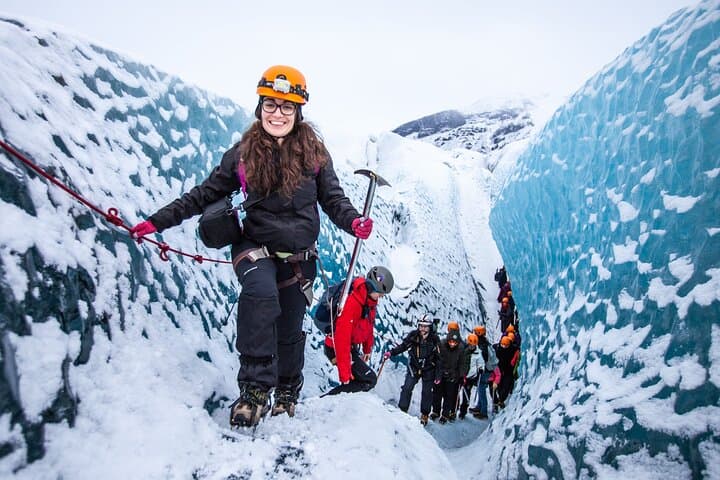
Beneath a sky of shifting light, Skaftafell’s ice reads like a map of time. This three-hour guided glacier hike mixes technical instruction with geology and culture: compact, safe, and unforgettable.
 Related story
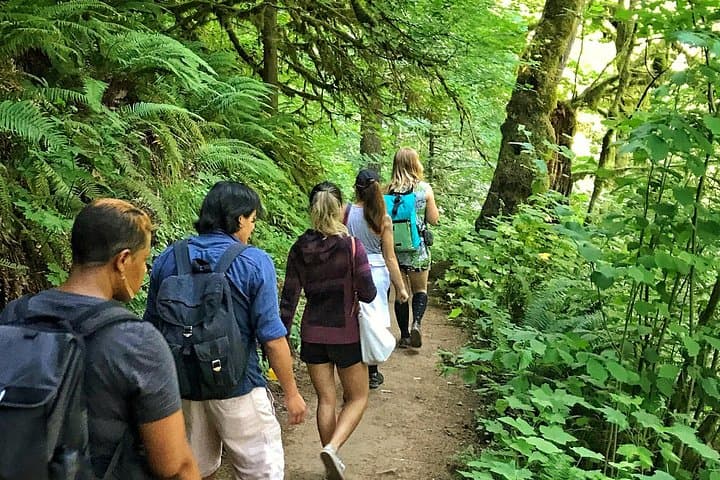
Lose the city for a few hours without leaving it: this 5-mile, 900-foot-gain Forest Park loop threads old-growth pockets, city viewpoints, and cultural landmarks for a compact taste of Portland’s wild side. Expect moss, roots, and stories.