

What the day feels like
The morning on Santa Cruz arrives sideways, the Pacific breathing salt and sun through the open windows of Puerto Ayora. You step off a small ferry with damp hair and a backpack heavy with snorkeling gear and sunscreen, and the island unfurls in immediate, contradictory ways: a compact town of colorful houses and scooters; a shockingly wild interior where giant tortoises lumber through misty farmland; and a coastline that moves with an animal intelligence—sea lions barking as if to stake claim to every tide pool. Here, nature doesn’t so much sit still for you as invite you to keep up.
Santa Cruz Island (Isla Santa Cruz) is the archipelago’s most visited hub, but its familiarity is only part of its appeal. From the dock in Puerto Ayora you can walk to the Charles Darwin Research Station and meet the conservation story of the islands face-to-face: captive-breeding programs, giant tortoise rehabilitation, and the daily work that keeps endemic species from slipping toward extinction. A short boat ride opens up the more dramatic chapters: the narrow, sapphire fissure of Las Grietas, where you can drift in a channel cut between volcanic cliffs; the long white sweep of Tortuga Bay, a walking trail that ends in surf and a lagoon where marine iguanas soak like sun-baked dragons; and the grazed pastures of the highlands, where tortoises eat the dew and the earth smells of volcanic peat.
Geology here reads like a primer on island-making. Santa Cruz was formed by successive volcanic eruptions and uplift, its interior shaped into broad lava flows and collapsed calderas. The Twin Craters—or Los Gemelos—are classic pit craters: not the product of violent explosions but the slow collapse of underground magma chambers. Those depressions, ringed with Scalesia forest, are biological microclimates where humidity and soil depth change the roster of species. Walk the rim and you are on the thin skin between two ecological worlds.
Culture on Santa Cruz folds into the landscape. Puerto Ayora is both gateway and community—restaurants serve fresh ceviche and grilled fish caught that morning, artisanal shops sell woven hats and tortoise-themed woodwork, and the people you meet are often conservationists in their own right. The Charles Darwin Station (founded in 1964) anchors the island’s modern identity: science and tourism here are entwined. Many tours and accommodations contribute to local projects, and your visit is as much a vote for preservation as it is a holiday.
Why go? Santa Cruz compresses the Galápagos advantages into accessible outings: wild animals that ignore you, landscapes that range from black lava to green highlands to powder-white beaches, and water so clear that snorkeling reveals vivid ecosystems with minimal effort. For travelers who want wildlife encounters without full-boat expeditions, day tours to Tortuga Bay, Las Grietas, and nearby islets like Bartolomé and North Seymour are practical, high-return options. The island is also a practical base for longer itineraries—multi-day trips that hop to Isabela or Española use Santa Cruz as a logistical hub.
Practical guide
Tortuga Bay: Expect a 2.4–2.6 km (1.5–1.6 mile) walk from the trailhead near Puerto Ayora to the main beach; flat, sandy trail, allow 45–60 minutes each way. The beach faces strong currents—swim inside the protected cove (Playa Brava is for watching surf and marine iguanas, not swimming). Bring water and sunscreen; there’s no shade along the path.
Las Grietas: A 10–15 minute speedboat from the dock or a longer walk from the town; the swim through the cleft is roughly 150–300 meters depending on tide. Water is clear and cool; a short wetsuit or rash guard helps. Watch for currents near the entrance.
Highlands & Giant Tortoise Reserves (El Chato / Santa Rosa): A 30–45 minute drive uprange. Trails here are gentle but can be muddy; expect 1–3 hours exploring ranch tracks and spotting tortoises grazing in the ferns. Early morning and late afternoon are best for sightings.
Charles Darwin Research Station: Allow 1–2 hours. Educational displays explain the captive breeding and reintroduction programs; it’s an easy, essential primer before you chase tortoises into the highlands.
Timing and crowds: Arrive early for photo-friendly light and fewer people. Afternoon boat trips are often choppier; morning sea conditions are typically calmer.
Safety and etiquette: Keep at least two meters from wildlife, never feed animals, and follow guide instructions—biosecurity measures (clean shoes, no outside plants/foods) are enforced to protect fragile ecosystems.
Packing & prep
Footwear: lightweight hiking shoes or sturdy sandals for trails and beaches. Snorkel gear: if you plan to snorkel often, bring your own mask for better fit; most tours supply fins. Sun protection: reef-safe sunscreen, wide-brim hat. Hydration: reusable bottle; freshwater is limited on some excursions.
Insider practicalities
Money and logistics: Puerto Ayora has ATMs but carry small cash for tips and markets. Entrance: the Galápagos National Park entrance fee and transit card are usually handled by tour operators—confirm in advance. Weather: equatorial but seasonal — the warm/wet season (Dec–May) brings calmer seas and greener highlands; the cool/dry season (Jun–Nov) offers calmer air and nutrient-rich waters that attract more marine life.
If you have one free day, hike the highlands in the morning, visit the Charles Darwin Station and the tortoise reserve after lunch, then kayak or snorkel Las Grietas at late afternoon light. The island rewards a slow, layered approach: water, land, and community in small, satisfying helps.
Santa Cruz is easy to love because it is straightforward: you can see the things that matter—the tortoises, the iguanas, the surreal volcanic shapes—in comfortable increments. But it’s worth remembering that every step here is on a living experiment. The conservation work that happens on this island shapes what you get to see. Travel well, follow local rules, and you’ll leave with a clearer sense of how fragile, and how resilient, an island can be.
Trail wisdom
Small choices, better day.
Start before dawn at the highlands
Morning light and cooler temperatures improve tortoise sightings and make walking muddy trails easier; plan for a 30–45 minute drive from Puerto Ayora.
Carry reef-safe sunscreen
Sunscreen that protects you and the marine ecosystem is required on many tours—avoid oxybenzone-containing products.
Respect viewing distances
Keep at least 2 meters from wildlife; approaching animals stresses them and can incur fines or halt tours.
Bring a small dry bag
Protect camera gear and snacks during boat transfers and when you visit Las Grietas or other rocky coves.
Local knowledge
Read the place, not just the route.
Watch for native species including Giant tortoise, Marine iguana.
Keep an eye out for wildlife during the transition between areas and habitats. Respect distance guidelines.
Visits to Santa Cruz fund local conservation and stricter biosecurity; tourists are required to follow park rules that help prevent invasive species and habitat damage.
Follow the guide's instructions on size limits, ethical handling, and leave-no-trace practices.
Garrapatero Beach—quiet lagoons and shorebirds away from the main tourist circuit. El Chato Tortoise Reserve—lesser-crowded trails for close tortoise viewing in a pastoral setting
Locally recommended viewpoints and quiet spots known best to local operators.
Puerto Ayora developed as a fishing and trade town before evolving into the islands’ primary tourism and conservation center; the Charles Darwin Research Station has been pivotal since the 1960s.
Maritime roots and regional tradition shape the waterways and working coasts.
Seasonal guide
Four versions of the same landscape.
Spring
Best forlush highlands · fewer tourists · warm water snorkeling
Challengesoccasional rain showers · sticky humidity
Spring (Sept–Nov in the Galápagos calendar) offers cool, dry days with nutrient-rich seas—great for snorkeling and seeing marine life close to shore.
Summer
Best forcalmer seas · green highlands · snorkeling with juveniles
Challengesoccasional heavy rain · higher humidity
Summer (Dec–Feb) is the warm, wet season—sea temperatures rise, making snorkeling pleasant and the flora visibly greener.
Fall
Best forbird nesting displays · clear skies · land hikes
Challengesstronger currents at certain sites · variable weather
Fall (Mar–May) combines warmer waters with increased productivity offshore—ideal for boat-based wildlife viewing and land exploration.
Winter
Best forcooler air · land bird activity · calmer snorkel conditions
Challengeschillier water temps · camanchaca fog in highlands
Winter (Jun–Aug) is the cool, dry season; water clarity often improves and seabirds are very active, though surface water can feel colder.
Pack with intention
What to bring.
Good to know
Common questions.
Most visitors fly into Baltra (via Quito or Guayaquil) and take a ferry and bus to Puerto Ayora on Santa Cruz; organized transfers are commonly included in tour packages.
Plan the edges
The details that make the day easier.
Charles Darwin visited the Galápagos in 1835; observations of finches and other endemic species across islands like Santa Cruz contributed directly to his theory of natural selection.
Taste the islands in ceviche made from local catch, try coconut-based sweets in Puerto Ayora, and visit small family-run eateries where fishermen’s daily hauls shape the menu.
Follow Galápagos National Park rules: no feeding wildlife, stay on marked paths, use reef-safe sunscreen, and support operators that contribute to local conservation programs.
Explore by topic
Follow the threads.
Keep exploring
Make the story part of the trip.
In four hours you can move from shaded canyon ferns to wind-scoured coastal ridgelines, guided by someone who knows where the light—and the hidden views—live. This private half-day hike on the Monterey Peninsula or Big Sur is compact, curated, and perfect for travelers who want depth without a multiday commitment.
 Related story
Beneath a sky of shifting light, Skaftafell’s ice reads like a map of time. This three-hour guided glacier hike mixes technical instruction with geology and culture: compact, safe, and unforgettable.
 Related story
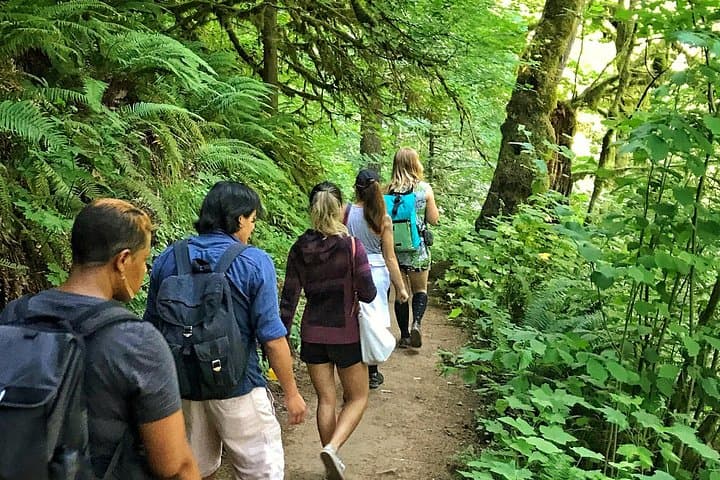
Lose the city for a few hours without leaving it: this 5-mile, 900-foot-gain Forest Park loop threads old-growth pockets, city viewpoints, and cultural landmarks for a compact taste of Portland’s wild side. Expect moss, roots, and stories.