

What the day feels like
The van leaves San Pedro de Atacama while the town still sleeps. Headlamps wink off like constellations as the road climbs out onto the Altiplano; the air gets thinner, keener, and the white breath of passengers fogs in the cold. By the time the first weak finger of light touches the horizon, the valley ahead is a living etching: dozens of steam pillars rising from the earth, each one a small, impatient chimney announcing the planet’s inner heat. This is El Tatio at sunrise—a geothermal field that looks like the Earth exhaling.
At 4,320 meters (about 14,170 feet), El Tatio is one of the highest and most dramatic geyser fields on the planet. It throws more than 80 geysers and fumaroles into the sky, their plumes exaggerated by the cold, hyped by altitude. The geology is simple in principle and complex in result: rain and snow filter down through volcanic strata, heat from underlying magmatic bodies boils the water, and cracks in the crust give the steam a route to the surface. The high desert—rock, salt, and volcanic cones—frames the whole scene. Silence feels like another element here; even the wind respects the timing of the eruptions.
This place has been in human stories for millennia. The Atacameño (Likan Antai) peoples have long known and used the thermal features of the region; today the small adobe hamlet of Machuca sits nearby, a reminder that this landscape is lived-in, not just viewed. In recent decades tourism has swelled: organized tours such as the morning-focused "El Tatio Geysers Tour from San Pedro de Atacama" or multi-day packages that include Valle de la Luna and the Altiplanic lagoons make El Tatio one of the most-booked day trips from San Pedro.
The experience is theatrical and practical at once. Getting there means an early departure—many tours leave around 4 a.m.—so expect pre-dawn temperatures that can plunge to -15°C (5°F) in the chill months. But that contrast is also the magic: when the air is cold, the steam columns are full-bodied and dynamic. Guides typically serve a light breakfast on-site and may lead a short walk around the main terraces. Some itineraries include a supervised dip in a modest hot pool downstream; others pair the morning at Tatio with visits to highland lagoons or the Moon Valley at sunset over several days.
Thinking like a traveler: altitude is the practical story here. Even seasoned hikers can feel short of breath and dizzy at 4,300 meters. Allow 24–48 hours in San Pedro to acclimatize, hydrate, and adjust your pace before signing up for sunrise departures. Protective clothing is equally important: windproof outer layers, warm mid-layers, and a hat will make the spectacle enjoyable instead of numbing. Footwear should be sturdy and waterproof for the dug-in, sometimes muddy ground around the geysers.
Travelers who want to maximize time in the region often choose a 3– or 4–day program that bundles El Tatio with the Salar de Atacama, Moon Valley, and the altiplanic lagoons. These packages simplify logistics—transport from Calama airport, guided walks, and recommended local eateries—and also allow you to experience the Atacama’s range, from boiling vents to cobalt lagoons and salt pans. For a quieter experience, consider booking a private program that can time visits to avoid the largest groups and include less-visited pockets of the altiplano.
Conservation deserves mention: geothermal fields are fragile. Stick to marked paths, respect signage, and avoid touching delicate crusts or walking on microbial mats. Locally run tours funnel economic benefit back to communities like Machuca; hiring a local guide supports conservation-minded tourism.
Practical snapshot: depart pre-dawn, bring layered clothing, expect 60–90 minutes of walking around the field, and budget for altitude adjustment time. Photography is rewarding—steam, sunrise, and serrated volcano silhouettes create cinematic frames—but camera batteries drain faster in the cold and condensation forms when you move from cold air into warm steam. Protect gear and bring spare batteries.
Why go? El Tatio is elemental: it’s not just a photo op, it’s an encounter with a planet that is still geologically alive. For travelers who come to the Atacama to witness extremes—highest geysers, deepest silence, and starriest skies—El Tatio is a must. The trick is to go prepared, move slowly, and let the place do the astonishing work for you.
Recommended tours listed in local catalogs—such as the single-destination "El Tatio Geysers Tour from San Pedro de Atacama" or multi-day programs like "3-Days Discovery at San Pedro de Atacama" and "4-Day Best of Atacama"—offer different rhythms: a quick, early-morning spectacle; or a measured, multi-day approach that leavens the geysers with lagoons, Moon Valley, and cultural stops. Either way, watch the sun pull the steam into ghostly tendrils and remember that on the Altiplano, the planet is the principal storyteller. If you respect the cold, respect the altitude, and give yourself time, El Tatio rewards with one of South America’s most memorable sunrises.
Trail wisdom
Small choices, better day.
Acclimatize first
Spend 24–48 hours in San Pedro de Atacama before joining an early-morning tour to reduce altitude sickness risk.
Dress in layers
Temperatures swing from deep cold before sunrise to bracing sun later—windproof outer shell and warm mid-layers are key.
Protect your electronics
Carry spare batteries in an inner pocket to keep them warm; condensation forms when moving between cold air and hot steam.
Respect the field
Stay on marked paths and avoid stepping on crusts or microbial mats to protect fragile geothermal features.
Local knowledge
Read the place, not just the route.
Watch for native species including vicuña, Andean condor (occasionally).
Keep an eye out for wildlife during the transition between areas and habitats. Respect distance guidelines.
Tour operators and local communities are working to manage visitor flow—stay on trails, avoid bathing in fragile pools, and hire local guides to support sustainable tourism.
Follow the guide's instructions on size limits, ethical handling, and leave-no-trace practices.
The adobe village of Machuca for local culture and simple alpaca/llama dishes. High-altitude viewpoints that look back toward neighboring volcanoes—ask guides for quieter vantage points
Locally recommended viewpoints and quiet spots known best to local operators.
The Atacameño (Likan Antai) peoples have long used geothermal springs in the region; the area remains culturally significant to local communities.
Maritime roots and regional tradition shape the waterways and working coasts.
Seasonal guide
Four versions of the same landscape.
Spring
Best forclear skies · moderate daytime temperatures · wildflower pockets in lower valleys
Challengesoccasional afternoon storms at high plains · chilly pre-dawn temps
Spring (Sept–Nov) brings lengthening days and stable mornings—great for sunrise views but watch for isolated storms later in the day.
Summer
Best forlong daylight hours · pairing with lagoons and higher-altitude tours · fewer extreme cold mornings
Challengesafternoon thunderstorms in the Altiplano (Jan–Mar) · higher UV exposure
Summer increases solar intensity and the chance of afternoon storms; mornings can be warm but storms may restrict highland access.
Fall
Best forcrisp mornings for strong steam columns · fewer tourists · clear skies for photography
Challengescold before sunrise · shortening daylight hours
Autumn (Mar–May) is stable and photogenic—cold, clear mornings make the steam dramatic and crisp for photography.
Winter
Best fordeep, dramatic steam columns · excellent stargazing nights · lower humidity
Challengesvery cold pre-dawn temps · possible snow at higher elevations
Winter (Jun–Aug) produces the most impressive steam due to frigid air; prepare for sub-zero starts and icy surfaces.
Pack with intention
What to bring.
Good to know
Common questions.
El Tatio is about 90 km (56 miles) from San Pedro de Atacama; tours typically take 1.5–2 hours each way by vehicle.
Plan the edges
The details that make the day easier.
El Tatio is one of the highest geyser fields in the world and contains more than 80 geysers; the name 'El Tatio' comes from the Quechua word for 'oven' or 'grandfather' depending on local dialect and interpretation.
Try local Atacameño dishes in San Pedro—quinoa stews and llama specialties are common—and visit Machuca for simple, traditional adobe architecture and local crafts.
Stay on marked paths, don't remove mineral or microbial formations, and choose operators that work with local communities to minimize environmental impact.
Explore by topic
Follow the threads.
Keep exploring
Make the story part of the trip.
In four hours you can move from shaded canyon ferns to wind-scoured coastal ridgelines, guided by someone who knows where the light—and the hidden views—live. This private half-day hike on the Monterey Peninsula or Big Sur is compact, curated, and perfect for travelers who want depth without a multiday commitment.
 Related story
Beneath a sky of shifting light, Skaftafell’s ice reads like a map of time. This three-hour guided glacier hike mixes technical instruction with geology and culture: compact, safe, and unforgettable.
 Related story
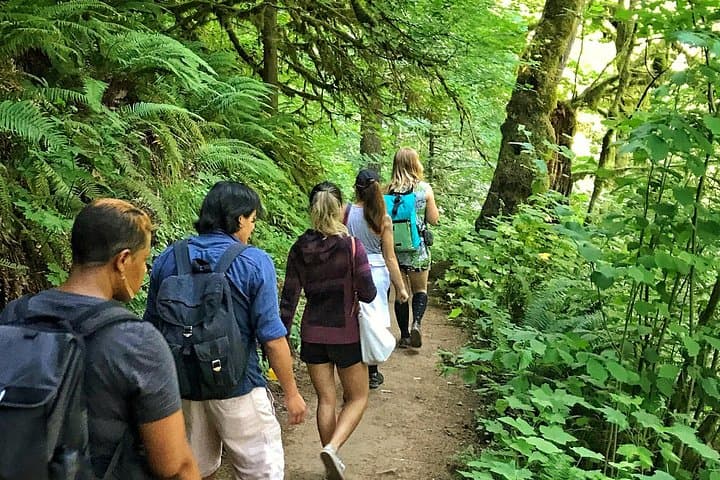
Lose the city for a few hours without leaving it: this 5-mile, 900-foot-gain Forest Park loop threads old-growth pockets, city viewpoints, and cultural landmarks for a compact taste of Portland’s wild side. Expect moss, roots, and stories.