

What the day feels like
You arrive under limestone cliffs, the sound of water like a low, insistent drum. The Buna River slips from a cool, shadowed cave at the base of the cliff and immediately becomes the foreground to a whitewashed tekija—the Blagaj Monastery—clinging to stone as if it were anchored there for centuries. Morning light turns the water a clear, mineral green; a dense, humid breath rises from the springs and wreathes the terraces where café tables sit with steaming cups of Bosnian coffee and plates of freshly baked pita.
Blagaj is a place that asks you to slow down. The climb down from the parking area is gentle but deliberate; the plaza opens between a line of riverside restaurants and the tekija, and the first view can feel like a small theatrical reveal. The monastery’s low domes, wooden eaves, and stone stairways were built by Dervish communities under Ottoman rule in the 16th century, and the ritual of tea and quiet contemplation still happens in the same shadow of the cliff. The Buna spring, pouring out of the karst, provides not just the visual drama but the geological story—water that has percolated through limestone for decades, emerging cool and constant, carving chambers inside the mountain.
History and geology are inseparable here. Blagaj Tekija is an Ottoman-era Dervish monastery (a tekija is the Bosnian word for a Sufi lodge) founded in the 1500s. The tekija served as a site of spiritual retreat and pilgrimage, its architecture blending Ottoman lines with local stonework. Geologically, the Buna spring is one of Europe’s most prominent karst sources: groundwater is funneled through an underground network of caves, giving the river a steady, year-round flow and a near-constant temperature. The kloof-like canyon around the spring rises abruptly; limestone and tufa sculpt the landscape into a narrow corridor that focuses the sound and temperature of the water.
Culturally, Blagaj is a point on many itineraries connecting Mostar’s Ottoman Old Town, the medieval hamlet of Počitelj, and the turquoise cascades of Kravice Falls. Small-group operators and private guides commonly offer Blagaj as part of day tours—several of the Viator-listed experiences that use Mostar as a base include this monastery and spring. A private day tour from Mostar or Dubrovnik will let you linger at the tekija, combine visits to Kravice or Počitelj, and include a stop at a Buna-side café for trout or stuffed peppers. For travelers coming from Sarajevo, full-day routes exist that thread through Herzegovina’s wartime history, classical Ottoman sites, and this natural cathedral.
On the practical side: visiting Blagaj is quick to arrange but deserves time. You can walk the riverbank path beneath the tekija in 20–30 minutes, but add another hour to sit at a riverside table, watch the light change, and climb the short stair that leads to the tekija’s terrace. The site is accessible by car from Mostar in roughly 20–30 minutes; parking is available but can fill up in summer. The stone paths can be slippery when wet and shaded, so steady footwear is advisable. There is no large visitor center—expect a simple experience of architecture, water and nearby cafés rather than a commercialized attraction.
How to schedule your visit: mornings and late afternoons are ideal. The low sun gives the karst cliffs a warm color and softens shadows for photography. Midday brings more crowds and harsh light on the water. If you’re combining Blagaj with Kravice Falls or Počitelj on a single day—as many small-group and private tours advertise—budget at least eight to ten hours for a relaxed pace; that’s the kind of trip that lets you walk, swim (seasonally and in permitted places), and eat without racing the clock.
Safety and etiquette are straightforward. The tekija is a place of worship and reflection—dress modestly when entering interior spaces, keep voices low, and avoid intrusive behavior during prayer or private rituals. The Buna’s current is deceptively strong where it enters the river—don’t underestimate the cold, deep water if you plan to swim; many local guides recommend limiting swimming to Kravice Falls during summer months where lifeguard-supervised areas exist.
Blagaj pairs equally well with active exploration and slow cultural travel. Hikers will appreciate short trails that continue beyond the monastery, following the Buna into a quieter gorge; cyclists can spin scenic routes connecting Mostar and nearby villages; and food-minded travelers will linger over river trout or the rich pastries served in the cafés. If you want a curated experience, choose a small-group or private day tour that includes Blagaj, Mostar’s Stari Most (Old Bridge), and either Počitelj or Kravice—this is a common combination on regional itineraries that balances architecture, nature, and history.
The experience of Blagaj is not a single image but a series of small encounters: the click of boat oars against river, the scent of frying trout and cardamom coffee, the echo of water inside cliff cavities. For travelers, it’s a compact emblem of Herzegovina: ancient paths, Ottoman heritage, and karst water all in one beautiful, easily reachable place. Walk slowly, listen to the river, and you’ll understand why so many tours include Blagaj on a circuit through southern Bosnia: it’s quietly powerful, and just waiting to be discovered on a day that balances movement with stillness.
Trail wisdom
Small choices, better day.
Go early or late
Arrive in the morning or late afternoon to avoid crowds and get the best light on the Buna spring.
Wear grippy shoes
Stone paths and riverside steps can be slippery—sturdy footwear reduces the risk of slips.
Respect the tekija
The monastery is an active spiritual site; keep voices low and follow signage for interior access.
Combine nearby sights
Pair Blagaj with Počitelj or Kravice Falls on a half- or full-day tour to maximize your time in Herzegovina.
Local knowledge
Read the place, not just the route.
Watch for native species including Common kingfisher, Gray heron.
Keep an eye out for wildlife during the transition between areas and habitats. Respect distance guidelines.
The karst spring and its surrounding habitat are sensitive—stay on paths, avoid littering, and support local businesses that manage visitor impact.
Follow the guide's instructions on size limits, ethical handling, and leave-no-trace practices.
Small riverside cafés under the tekija with terrace seating and trout dishes. Short upstream path where the Buna narrows into a quieter gorge away from the main terrace
Locally recommended viewpoints and quiet spots known best to local operators.
Blagaj Tekija was established in the 16th century as a Dervish monastery during Ottoman rule and has served as a spiritual retreat and local pilgrimage site since then.
Maritime roots and regional tradition shape the waterways and working coasts.
Seasonal guide
Four versions of the same landscape.
Spring
Best forwildflower displays · pleasant hiking · soft light photography
Challengescool water temperatures · occasional spring rains
Spring offers mild temperatures, blooming riverside vegetation and fewer visitors—ideal for photographers and hikers.
Summer
Best forswimming nearby at Kravice · longer daylight · open café terraces
Challengespeak crowds · hot midday sun · limited shade on some trails
Summer brings warm weather and lively river cafés; plan for crowds and sun protection, and swim only where permitted.
Fall
Best forcrisp air and color · off-season solitude · pleasant walking
Challengesshorter daylight hours · cooler evenings
Autumn tints the hills and cools the air—great for quieter visits and extended daylight walks earlier in the day.
Winter
Best fordramatic, moody photos · fewer tourists
Challengescold temperatures · limited café hours · possible snow on higher roads
Winter offers a stripped-back, atmospheric experience; facilities may be limited, but the cliffs and spring are intensely dramatic.
Pack with intention
What to bring.
Good to know
Common questions.
Blagaj is about 12–15 kilometers southeast of Mostar, roughly a 20–30 minute drive by car.
Plan the edges
The details that make the day easier.
Blagaj Tekija sits beside the Buna spring, one of Europe’s most significant karst springs; the water emerges from a cave at a nearly constant temperature year-round.
Eat riverside: try freshly grilled trout, Bosnian pita (filled pastries) and a cup of thick Bosnian coffee; local cafés offer simple, authentic cuisine and hospitality in an intimate setting.
- From Mostar
- 20–30 minute drive. Time needed: 1–3 hours. Facilities: riverside cafés, limited restrooms. Accessibility: uneven stone paths, some steps. Best for: photographers, day-trip travelers, cultural explorers.
Support small, family-run cafés and avoid single-use plastics; stay on designated paths to protect fragile karst vegetation and the spring’s water quality.
Explore by topic
Follow the threads.
Keep exploring
Make the story part of the trip.
In four hours you can move from shaded canyon ferns to wind-scoured coastal ridgelines, guided by someone who knows where the light—and the hidden views—live. This private half-day hike on the Monterey Peninsula or Big Sur is compact, curated, and perfect for travelers who want depth without a multiday commitment.
 Related story
Beneath a sky of shifting light, Skaftafell’s ice reads like a map of time. This three-hour guided glacier hike mixes technical instruction with geology and culture: compact, safe, and unforgettable.
 Related story
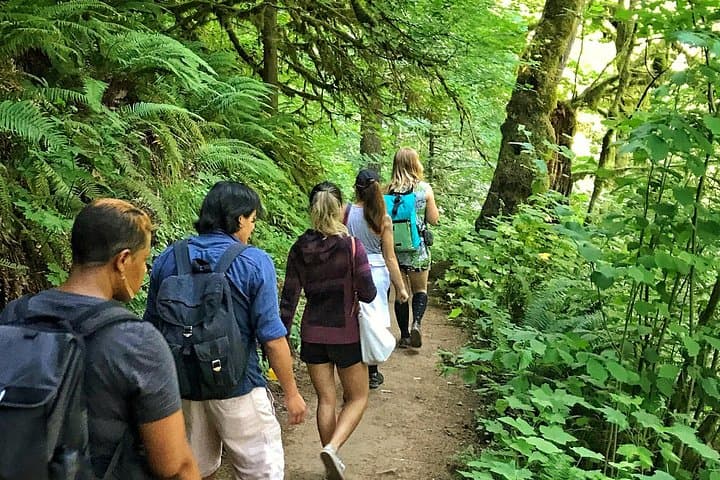
Lose the city for a few hours without leaving it: this 5-mile, 900-foot-gain Forest Park loop threads old-growth pockets, city viewpoints, and cultural landmarks for a compact taste of Portland’s wild side. Expect moss, roots, and stories.