

What the day feels like
You step off a slow, sleepy road and the world tilts toward green. Old cocoa trees hunch like weathered sentinels, their trunks scarred by time and harvests, and the air tastes faintly of fermenting pods and salt. At Roça Água Izé, on the eastern coast of São Tomé Island, the landscape is a palimpsest: colonial industry, abandoned machinery, and a coastline that keeps reasserting itself with scrub, black sand and surf. The site is part ruin, part working landscape, and entirely alive in a way that asks you to move slowly and look closely.
Roça Água Izé was once one of the countless plantations — roças — that turned São Tomé and Príncipe into a cocoa powerhouse during the Portuguese colonial era. Walking its paths is like flipping through a ledger of the island's social and economic history. Crumbled processing houses, a skeletal boiler-room and the long faded facades of worker quarters tell a blunt story about labor, globalization and the commodity that put the island on the map: cocoa. That history is not romanticized here; it is tangible in the rust and in conversations with local guides, many of whom are descendants of the roça workers and who can read the layers of time in the land.
Geologically, Água Izé sits where the volcanic backbone of São Tomé runs down toward the sea. Dark basalt cliffs and black sand beaches frame the plantation, and the island's steep interior drops quickly into the coastal plain. That quick change in terrain gives the walks here a suddenness — one moment you are under a cathedral canopy of fig and mahogany, the next the forest breaks and the ocean lays itself out with remarkable clarity. The island's near-equatorial location keeps light crisp and quick; storms can brew in an hour and disappear in two. Nature here has personality: the coast dares you to come closer, the forest keeps its cool, and the wind off the Atlantic pushes a slow, steady tempo across the ruins.
Roça Água Izé is not just a static museum. Two common ways to experience it — both available through local operators — reflect the plantation's layered character. For cruise travelers pressed for time, shore excursions that stop at Água Izé provide a compact narrative: a guided walk through the roça compound, a visit to the old processing buildings, and a short coastal viewpoint where the surf and the ruins frame one another. For those with a day to spare, full-day 4x4 trips open more of the island: inland hiking circuits, visits to neighboring roças, and the chance to follow dirt tracks into forest patches where endemic birds and fruit bats live within earshot of old cocoa groves. Local guides like Sipson Tours STP specialize in that kind of flexible itinerary, offering context and access that turn a photo stop into a real understanding of place.
The practical side matters: walking on uneven dirt, through leaf litter and the occasional concrete slab, is part of the experience. Routes vary from flat coastal strolls to rolling, sometimes muddy, trails into the forest. Timing is everything — mornings are cool, afternoons humid and prone to squalls — and a guide will not only translate history but also read the weather and the trail conditions for you.
Arrive curious and a little prepared. Ask about the roça's working areas; some plantations are still active in small-scale cocoa production and there are often opportunities to taste freshly fermented beans or speak with families who maintain small plots. If you book a full-day 4x4 tour you can pair Água Izé with hikes in the island's central highlands, visits to local villages and a seafood lunch on the coast. That mix — history, nature, local food — is the island's best offering.
Practical tips to stitch onto the experience: wear sturdy shoes that can handle mud and broken concrete, bring water and a rain layer, and leave room in your bag for a short walk along the coastline. A local guide is not a luxury here; they're the key to context and to understanding the plantations' living legacy. Visit with respect: roças are not theme parks but places still shaped by families and memory. Look, ask, and support community-run projects where you can.
Why go? Roça Água Izé is compelling because it's a threshold — between sea and forest, between colonial past and contemporary island life. It rewards a slow walk and an attentive eye. For travelers who want more than a postcard view of São Tomé, it is a place where landscape and history converse, and where a good local guide can turn ruins into a layered, living story worth the trip.
Trail wisdom
Small choices, better day.
Bring a local guide
Guides at Água Izé provide historical context and route knowledge, and can connect you with community-run sites and tastings.
Footwear matters
Wear sturdy, closed-toe shoes for uneven concrete, mud and coastal rock; flip-flops are not recommended.
Hydrate and time your visit
Plan a morning visit to avoid afternoon squalls and the hottest part of the day; carry 1–2 liters of water per person.
Respect private areas
Some buildings and fields may still be in use by locals — ask before entering and avoid taking artifacts.
Local knowledge
Read the place, not just the route.
Watch for native species including Forest birds and endemic sunbirds common in canopy edges, Fruit bats and nocturnal flying foxes near the coast at dusk.
Keep an eye out for wildlife during the transition between areas and habitats. Respect distance guidelines.
Local NGOs and community groups are working to balance heritage tourism with habitat restoration; support guide-led tours to ensure revenue remains local.
Follow the guide's instructions on size limits, ethical handling, and leave-no-trace practices.
A short coastal trail west of the main compound that leads to a black-sand cove often missed by day trips. An overgrown boiler room where bronze fittings and tile work hint at the roça's industrial past
Locally recommended viewpoints and quiet spots known best to local operators.
Roça Água Izé was part of São Tomé's 19th–20th century cocoa economy and contains remnants of processing infrastructure used during the Portuguese colonial period.
Maritime roots and regional tradition shape the waterways and working coasts.
Seasonal guide
Four versions of the same landscape.
Spring
Best forwildflower blooms · cooler hikes
Challengesintermittent rain showers · muddy trails
Spring brings fresh growth in the forest and manageable temperatures; be prepared for wet patches after rains.
Summer
Best fordrier trails · coastal views
Challengesstrong sun midday · sporadic storms
Summer is often the driest and clearest time to visit, ideal for pairing a roça visit with inland hikes.
Fall
Best forbirdwatching · photography
Challengesshorter daylight hours · occasional rain
Fall can be excellent for endemic bird activity and soft light for photos, with fewer tourists on the trails.
Winter
Best forlush forest scenery · lower humidity
Challengesfrequent heavy rains · track washouts possible
Winter is the wettest season; the landscape is dramatic but some tracks may be difficult without a 4x4.
Pack with intention
What to bring.
Good to know
Common questions.
Short shore-excursion visits last 1–2 hours; full-day 4x4 tours that include Água Izé and other sites run 6–9 hours.
Plan the edges
The details that make the day easier.
São Tomé and Príncipe was once one of the world's largest cocoa producers and many roças, including Água Izé, were at the center of that 19th–20th century boom.
Taste freshly grilled fish in nearby coastal villages and look for local cocoa tastings; community-run guesthouses often serve family recipes with chocolate-forward desserts.
- Location
- East coast of São Tomé Island. Getting there: 45–60 minute drive from São Tomé city by car
- 4x4. Hours
- half-day to full-day visits via organized tours. Cost: varies by operator; cruise shore excursions are time-limited. Accessibility: uneven ground; not fully wheelchair-accessible.
Choose locally operated tours, avoid removing artifacts, minimize waste and support community conservation projects to keep both cultural heritage and habitat intact.
Explore by topic
Follow the threads.
Keep exploring
Make the story part of the trip.
In four hours you can move from shaded canyon ferns to wind-scoured coastal ridgelines, guided by someone who knows where the light—and the hidden views—live. This private half-day hike on the Monterey Peninsula or Big Sur is compact, curated, and perfect for travelers who want depth without a multiday commitment.
 Related story
Beneath a sky of shifting light, Skaftafell’s ice reads like a map of time. This three-hour guided glacier hike mixes technical instruction with geology and culture: compact, safe, and unforgettable.
 Related story
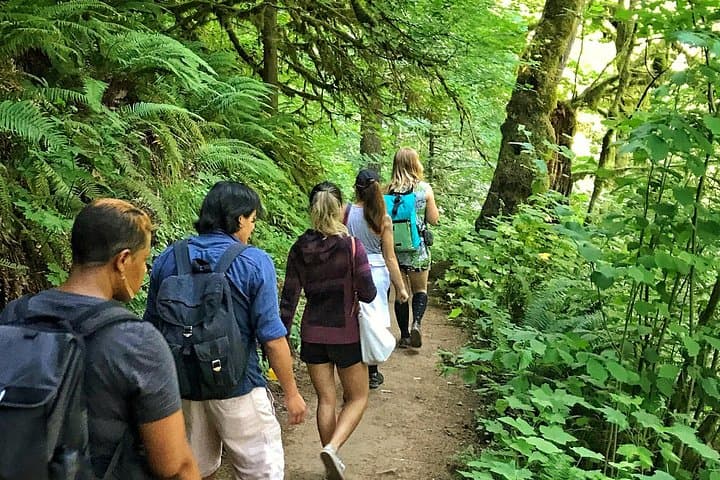
Lose the city for a few hours without leaving it: this 5-mile, 900-foot-gain Forest Park loop threads old-growth pockets, city viewpoints, and cultural landmarks for a compact taste of Portland’s wild side. Expect moss, roots, and stories.