
What the day feels like
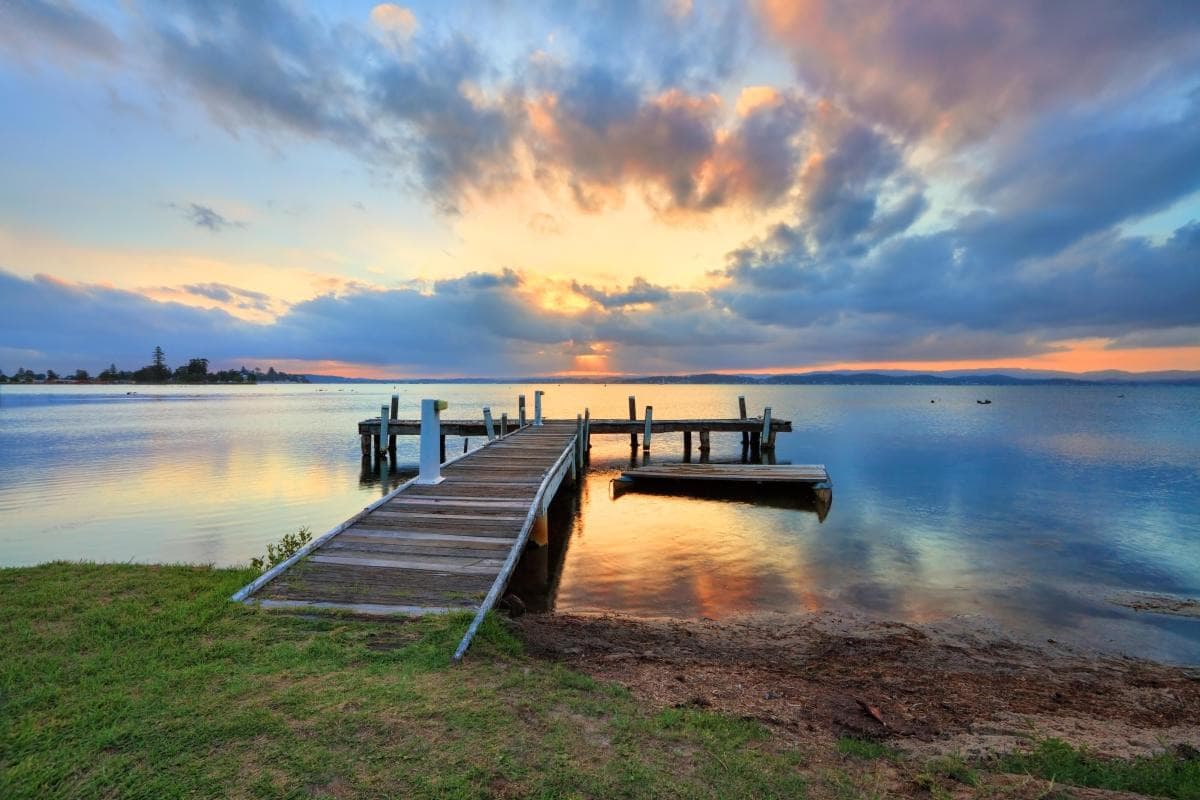
When the sun slides behind the low rim of the Hunter coastline and the day yachts return to their moorings, Lake Macquarie takes a slow, deliberate breath. The water calms, the gulls settle like punctuation on the surface, and the inlet lights of Swansea and Belmont blink awake along the shore. On a clear night here you can feel the lake thinking—its surface a dark mirror, its underlayer busy with life you rarely see in daylight. That hush is the invitation.
On the Naru Beach Night Kayak Tour, that invitation is answered from a clear double kayak lit from below. For two hours you glide across a salt-marsh fringe and the lake’s shallow arms, watching the water turn into an aquarium of tiny, nocturnal commuters. Local guides pilot the group—no more than a dozen—through calm channels, pointing out the gentle shapes moving in the beam: small fish, eddies of plankton, the occasional curious ray of silver. The setup is simple and democratic; novices and seasoned paddlers sit side-by-side in transparent hulls that make the night a shared secret between you, the guide, and the lake.
Lake Macquarie is not a mountain-range drama. Geologically, it’s a coastal lagoon—the largest of its kind on the Australian coastline—carved and reshaped over millennia by sea-level changes and sediment flows. Its shallow basins and long, sinuous shorelines make it ideal for quiet water paddling; the wind that can whip a more exposed stretch of ocean into whitecaps often just teases the lake into ridged glass. Those conditions combine to make nocturnal kayak tours both safe and revealing: stable water and a living, accessible seam of marine ecology.
The lake’s human story is deeper than the occasional colony of weekend boating families. The Awabakal people have called this place home for thousands of years; Pulbah Island, visible from many points along the shore, is a cultural heartland with ancient middens. European settlement introduced fishing, coal transport, and holiday homes, all of which layered into the modern mix of relaxed coastal towns, oyster farmers, and conservation groups guarding fragile seagrass meadows.
A night paddle here feels like a concentrated lesson in place. Your guide narrates small histories—how the lagoons were used, where Aboriginal middens are likely to be found, which coves hide oyster leases—and then returns the focus to the water. The illumination from the kayaks throws the immediate world into crystalline relief: you see the fine geometry of an eel gliding under a boat, the dart-and-freeze motion of sand whiting, and at times the uncanny glow of bioluminescent plankton that blooms when temperatures and nutrients align. It’s intimate natural history, not a light show.
Practically, the tour is built for ease. Clear double kayaks make it accessible to families, and the guides supply instruction and safety gear—PFDs, basic paddling technique, and local context. Expect roughly two hours on the water, a gentle distance that still rewards you with changing perspectives: shorelines feeling nearer, then farther; the low profile of the lake welcoming you into its narrow arms. Group size is capped, which keeps the experience quiet, respectful, and low-impact.
If you’re planning the trip, timing and gear matter more than you might think. Arrive with dry layers to swap into after the paddle; the lake’s night air will cool quickly once you stop moving. Bring a headlamp for shore-side tasks, but keep it dim during paddling to preserve night vision. A waterproof camera with a slow-shutter capability will let you experiment with light trails from the kayaks and the distant town lights. And while the tour does the navigation, basic fitness—being comfortable sitting and paddling for two hours—is helpful.
Beyond the tour, Lake Macquarie rewards a slow itinerary. Spend daylight exploring Wangi Wangi’s peninsula viewpoints, drop into local oyster sheds for fresh shellfish, or walk short bush tracks where sandstone and coastal forest meet the water. If Pulbah Island’s cultural stories intrigue you, book a guided daytime visit that delves deeper into Awabakal connections and natural history. Conservation groups are active here; many tours include brief notes on protecting seagrass beds and minimizing disturbance to feeding shorebirds.
A night paddle is not about adrenaline so much as recalibration. You trade the loudness of beaches and cafes for a measured, sensory-rich commute across water that seems to think under your hull. It’s the kind of experience that turns technique—lean, paddle, breathe—into a way to listen. Whether you’re a family wanting a gentle, memorable night out, a photographer hunting subtle light, or a traveler who prefers nature in low gear, Lake Macquarie after dark is quietly revelatory. The lake, which has carried canoes and concrete barges through its history, opens up in evening as if to say: this is another face, and it is worth learning.
Trail wisdom
Small choices, better day.
Arrive hydrated but light
Bring water and sip before the tour—hydration matters even on cool nights—and avoid heavy packs in the kayak.
Wear quick-dry layers
Temperatures drop after sunset; a lightweight synthetic layer and a wind shell keep you comfortable post-paddle.
Protect your camera
Use a waterproof case or dry bag and a tripod for long exposures if you plan to photograph the light under the hulls and distant town glows.
Respect group size and silence
Keep voice levels low during the paddle to preserve wildlife viewing and the tour’s low-impact ethos.
Local knowledge
Read the place, not just the route.
Watch for native species including bottlenose dolphins, coastal birds such as cormorants and terns.
Keep an eye out for wildlife during the transition between areas and habitats. Respect distance guidelines.
Seagrass beds and oyster leases are sensitive; small-group tours and leave-no-trace practices help protect feeding grounds and shorebird habitat.
Follow the guide's instructions on size limits, ethical handling, and leave-no-trace practices.
Pulbah Island (culturally significant island accessible by guided visit). Wangi Wangi peninsula lookout for sunrise or daytime panoramas
Locally recommended viewpoints and quiet spots known best to local operators.
Lake Macquarie is the traditional land of the Awabakal people and was later named after Governor Lachlan Macquarie during European settlement.
Maritime roots and regional tradition shape the waterways and working coasts.
Seasonal guide
Four versions of the same landscape.
Spring
Best formild nights · migratory birds · wildflower walks
Challengesvariable winds · cooler early evenings
Spring brings warming nights and active birdlife along the shore; be ready for changeable breezes as temperatures shift.
Summer
Best forcalm water paddles · long evenings · rich marine activity
Challengesmosquitoes near marshes · occasional summer storms
Summer is the peak season for night paddles—long, warm evenings and higher chances of seeing nocturnal marine life—but carry insect repellent.
Fall
Best forclear skies · crisper nights · fewer crowds
Challengescooler water temps · shorter evenings
Autumn offers clear, cool nights and quieter tours; layer up for temperature drops after sunset.
Winter
Best forclear star views · dramatic skies · low tourist numbers
Challengescolder nights · choppier water if windy
Winter paddles can be sharp and stellar; expect colder conditions and dress warmly for after the paddle.
Pack with intention
What to bring.
Good to know
Common questions.
No; the Naru Beach Night Kayak Tour is suitable for novices. Guides provide basic instruction and safety gear before launch.
Plan the edges
The details that make the day easier.
Lake Macquarie is Australia’s largest coastal saltwater lake, spanning roughly 110 square kilometres and home to extensive seagrass meadows and diverse estuarine life.
The lake region blends Awabakal heritage, oyster farming, and relaxed coastal towns like Swansea and Belmont—try local oysters, visit weekend markets, and converse with guides about cultural sites like Pulbah Island.
- Meeting point
- Naru Beach (confirm with operator); Duration: 2 hours; Group size: max 12; Skill level: beginner-friendly; Bring: headlamp, dry bag, layers.
Choose operators that cap group sizes and brief guests on minimizing disturbance; avoid touching seagrass, dispose of waste properly, and support local conservation groups working to protect the lake’s ecosystems.
Explore by topic
Follow the threads.
Keep exploring
Make the story part of the trip.
In four hours you can move from shaded canyon ferns to wind-scoured coastal ridgelines, guided by someone who knows where the light—and the hidden views—live. This private half-day hike on the Monterey Peninsula or Big Sur is compact, curated, and perfect for travelers who want depth without a multiday commitment.
 Related story
Beneath a sky of shifting light, Skaftafell’s ice reads like a map of time. This three-hour guided glacier hike mixes technical instruction with geology and culture: compact, safe, and unforgettable.
 Related story
Lose the city for a few hours without leaving it: this 5-mile, 900-foot-gain Forest Park loop threads old-growth pockets, city viewpoints, and cultural landmarks for a compact taste of Portland’s wild side. Expect moss, roots, and stories.