

What the day feels like
You step off the caique and the noise of Santorini—the clicks of camera shutters, the hum of buses, the bustle of cruise-ship day-trippers—falls away like a shutter closing. Thirasia’s small port receives you with a handful of fishing boats, a line of sun-faded tavernas, and a narrow road that climbs in a steady, sun-warmed ribbon up to a clutch of whitewashed houses. The wind off the caldera tugs at your hat and seems to be inviting you to walk the rim: to move along the island’s ridge and measure the distance between scarlet bougainvillea and the drop of the volcanic cliff. Up here the sea has a depth of color that seems to be trying on every blue in the paintbox, and the caldera faces you across a short slate of water—Santorini on one side, ancient fire and emptiness on the other.
Thirasia is compact—an intimate counterpoint to Santorini’s cinemascopic views and organized tourism. It is part of the same volcanic rim as Santorini, a geological after-image of the eruption that reshaped the Aegean roughly 3,600 years ago. The island’s topography is a lesson in restraint: steep terraces, mule tracks, stone steps and shuttered houses that lean into the wind. Life here moves to the rhythm of goats, fishing seasons, and the sun’s arc. In the late afternoon you’ll meet elders sweeping their steps and fishermen repairing nets; adjacent to them are a handful of guesthouses and family-run tavernas where the catch of the day is salted, grilled, and served with tiny bowls of local tomatoes, capers, and fava.
Geology and history are not abstractions on Thirasia; they are structural. The island is part of Santorini’s caldera rim and a visible reminder of the Minoan eruption that left a flooded crater and steep escarpments. The caldera here is a living amphitheater: wind directs the light, gulls pattern the sky, and the cliffs sing with the geology of layers—andesite, pumice, and black basalt. Cultural memory is folded into the terraces, and the island’s small chapels and modest white houses tell a story of resilience and adaptation to a landscape that is both generous and exacting.
Thirasia’s chief pleasures are low-key and sensory. Take the short loop from the port up to Manolas, the island’s main village, where a network of steps and narrow lanes offers multiple lookout points. From certain thresholds you can see Santorini’s iconic sugar-cube towns stacked along the caldera, as if someone rearranged a row of postcards and set them on fire with sunset. If you prefer two wheels to two feet, e-bike tours are ideal—the island’s few vehicles make the roads safe for cycling, and a gently assisted motor lets you linger at viewpoints and local produce stands. On the water, half-day catamaran and volcanic cruises pair the peace of Thirasia with a dip in the island’s famous hot springs and a stop at the black-sand coves and Red Beach near the southern coast of Santorini.
Practicalities matter here: there are no large supermarkets or tourist infrastructure on Thirasia, so plan accordingly. Most visitors arrive by boat from Athinios port in Santorini—short crossings on calm days that become cinematic as you pass the towering caldera cliffs. Book a morning cruise if you want quiet streets and tavernas serving breakfast; pick a sunset catamaran if you want a slower return and the best lighting for photos. If you’re exploring on foot, expect stairs and loose stone surfaces; good footwear makes the difference between a measured wander and an exhausting scramble.
Food and local life are the island’s other attractions. Family-run tavernas specialize in seafood, sun-dried tomatoes, and the small, two-ingredient wines of the caldera. On some experiences you can pair island time with a cooking lesson or a morning at a micro-winery—less show than education, with hands-on instruction about the volcanic soil that flavors Santorini’s tomatoes and vines. Buy a jar of thyme honey or a handful of locally produced white wine to support small businesses and bring a taste of the island back to your room in Fira or Oia.
For planning: bring cash (small tavernas may not take cards), set aside 3–6 hours for a meaningful visit (or a full day if you want to hike and linger), and time your trip for shoulder-season or early evening to avoid the high-sun midday heat in July and August. If you’re joining a volcanic-island cruise, expect an itinerary that pairs the Nea Kameni volcano and its sulfurous pools with a quiet hour or two on Thirasia—enough time to wander, eat, and inhale that caldera light.
Thirasia is not a place to conquer but to meet. Its charms are spare and human-scale, its views immediate, and its atmosphere one of careful, deliberate living in the rim of a giant’s kitchen. Whether you arrive by traditional caique, private catamaran, or e-bike, the island rewards curiosity: step carefully, listen for the sea, and leave with the memory of cliffs that keep watch over an almost sacred blue.
Trail wisdom
Small choices, better day.
Bring cash for tavernas
Many family-run restaurants and local vendors prefer cash—carry small euros to pay for lunch, coffee or small purchases.
Wear sturdy shoes
Streets are stone steps and uneven tracks; low-profile hiking shoes or grippy sneakers make walking comfortable and safe.
Time your visit for golden hour
Late afternoon softens the caldera’s light and makes photos and the walk back to the port more pleasant.
Hydrate and shade up
Bring a reusable water bottle and a brimmed hat—there’s little shade on the ridge and island services can be limited in peak season.
Local knowledge
Read the place, not just the route.
Watch for native species including goats and domestic sheep on terraced slopes, seabirds such as shearwaters and gulls along the cliffs.
Keep an eye out for wildlife during the transition between areas and habitats. Respect distance guidelines.
The caldera is ecologically sensitive—avoid anchoring on fragile seabeds, support local businesses, and carry out any trash you bring to the island.
Follow the guide's instructions on size limits, ethical handling, and leave-no-trace practices.
Manolas ridge viewpoints for uncrowded caldera panoramas. A small chapel terrace and olive grove paths west of the main village
Locally recommended viewpoints and quiet spots known best to local operators.
Thirasia is part of Santorini’s caldera rim and preserves terraces and architecture shaped by the island’s volcanic past and maritime livelihoods.
Maritime roots and regional tradition shape the waterways and working coasts.
Seasonal guide
Four versions of the same landscape.
Spring
Best forwildflowers · cooler walks · fewer tourists
Challengesoccasional winds · shorter ferry schedules
Spring offers mild temperatures and blooming terraces—ideal for hikes and e‑bike rides, though wind can pick up on exposed ridgelines.
Summer
Best forswimming · long daylight · boat cruises
Challengeshigh heat · crowds on main Santorini routes
Summer delivers perfect sea conditions for catamaran cruises and snorkeling, but mid‑day can be hot; plan early starts or late afternoons.
Fall
Best forwarm water swims · harvest flavors · quieter beaches
Challengesshorter days · ferry frequency reduces late season
Early fall is an excellent time: warm sea, mellow crowds and full tavern menus as harvests come in.
Winter
Best forlow-season solitude · storm-watching
Challengesreduced services · many businesses closed
Winter is quiet and raw—great for solitude but many tourist services and boat operators pause for the season.
Pack with intention
What to bring.
Good to know
Common questions.
Regular sightseeing boats and caiques depart from Athinios port; many half-day volcano-and-island cruises include a stop at Thirasia.
Plan the edges
The details that make the day easier.
Thirasia forms part of the rim of the Santorini caldera created by the massive Minoan eruption circa 1600 BCE—its cliffs and terraces are a direct result of that event.
Thirasia’s tavernas emphasize fresh seafood, simple salads, and local produce—expect slow-cooked fava, grilled fish, and locally made preserves; buy thyme honey or small-batch wine as souvenirs.
Minimize single-use plastics, support family-run eateries, and respect marked paths and agricultural terraces to protect the caldera’s fragile ecosystems.
Explore by topic
Follow the threads.
Keep exploring
Make the story part of the trip.
In four hours you can move from shaded canyon ferns to wind-scoured coastal ridgelines, guided by someone who knows where the light—and the hidden views—live. This private half-day hike on the Monterey Peninsula or Big Sur is compact, curated, and perfect for travelers who want depth without a multiday commitment.
 Related story
Beneath a sky of shifting light, Skaftafell’s ice reads like a map of time. This three-hour guided glacier hike mixes technical instruction with geology and culture: compact, safe, and unforgettable.
 Related story
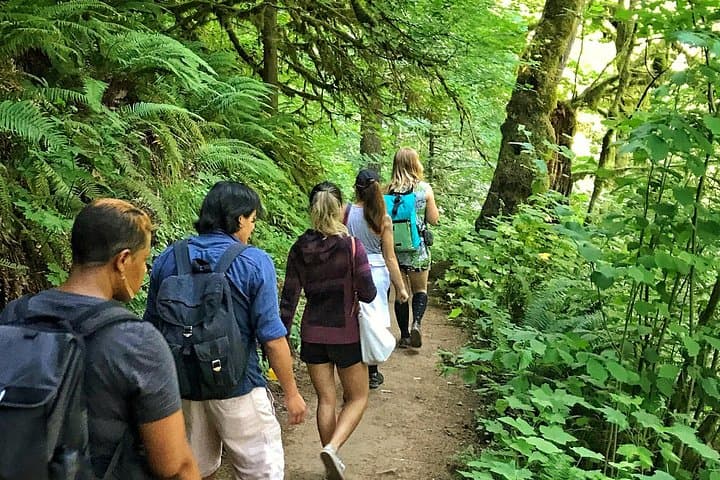
Lose the city for a few hours without leaving it: this 5-mile, 900-foot-gain Forest Park loop threads old-growth pockets, city viewpoints, and cultural landmarks for a compact taste of Portland’s wild side. Expect moss, roots, and stories.