

What the day feels like
You step off the second cable-car cabin and the world contracts to wind and sky. At 2,634 metres, Lomnicky Peak (Lomnicky Stit) takes the landscape of the High Tatras and sharpens it: serrated ridgelines, weather-polished slabs of granite, and valleys that fold away into the green hush of conifer forest. A thin platform, a handful of benches, the observatory’s squat silhouette — these are the human notes against a mountain that still insists it belongs to the elements.
The approach matters. From Tatranská Lomnica — the village at the foot of the massif — most visitors take the two-stage cable car: first to Skalnaté Pleso, then a shorter, more dramatic lift to the summit. For those with boots and nerves, there are longer ridge routes and technical climbs that link Lomnicky with the High Tatras’ skeletal skyline. Whether you arrive staring at the map on your phone or with your hands raw from a rope, the summit stages an uncompromising view: Slovakia’s alpine spine, the Polish peaks to the north, and the lowlands that push toward Hungary like a different climate.
Geology and weather are the mountain’s slow artists. Lomnicky is a product of ancient uplift and glacial carving; glaciers swept and scoured the peaks into steep corries and sharp ridgelines. The bedrock is hard, cleaving into slabs and gullies that demand attention when you cross them. Weather in the High Tatras can change with theatrical speed; bright mornings are often erased by a cloud bank that arrives as if to remind you the mountain keeps the timetable.
Lomnicky is not just a postcard peak. Its summit station hosts scientific installations — an observatory and meteorological instruments that have monitored the Tatras for more than a century — and the cable-car history is part of the region’s modern story of access, tourism, and conservation. Tatranská Lomnica has long been a base for climbers, but it’s also a resort town with traditional mountain culture: shepherding, smoked cheeses, and hearty soups that anchor you after a high-wind descent.
On the trail, the mountain has personality. Loose scree dares your gait; sunny slabs warm your palms when you take a break; a marmot whistles as if to mark the boundary of its day. Above the treeline, the air is thinner in ways you notice in your breath and in how the wind seems to be pushing you forward and back at once.
Practical choices make the difference between a memorable summit and a frustrated retreat. Cable-car tickets should be booked in advance during the high season; early morning rides offer the best light and the least breathing room for clouds. If you plan to hike the ridge, pack a helmet, harness, and via-ferrata set if you intend to use fixed protection — and don’t underestimate route-finding on high, exposed terrain. In shoulder seasons you may need crampons and an ice axe.
For the motivated adventurer, Lomnicky allows a range of itineraries: a quick summit ascent via cable car for sweeping panoramas and photographs; a full-day ridge traverse linking Lomnicky with adjacent peaks for technical climbing and route-finding; or a mixed day that pairs a morning ascent with a hike back down through alpine meadows and a late lunch in Tatranská Lomnica.
Local etiquette matters. This is part of Tatra National Park (TANAP): stay on marked trails, pack out what you pack in, and give grazing pastures a wide berth. Wildlife is resilient but sensitive; chamois and marmots are used to people but treat them like wild animals — distant marvels, not props.
If you’re planning a visit: aim for late June through early September for stable weather and open trails, but consider September specifically for clearer air and fewer crowds. Winter turns Lomnicky into an expert arena; avalanches and heavy snowpack make the summit an advanced objective.
Lomnicky isn’t a mountain that begs you; it commands respect and rewards focus. From the observatory’s instruments to the wind’s impatient hands, the peak asks you to come prepared, move deliberately, and let the view do the persuading. For travelers who want a high-alpine day with intellectual curiosity — geology, meteorology, and mountain culture all on the map — Lomnicky Peak delivers an elemental lesson in what high places can teach about patience, weather, and the scale of the landscape.
Trail wisdom
Small choices, better day.
Book the cable car ahead
Reserve morning slots online during summer to avoid long lines and maximize clear-sky windows.
Prepare for sudden weather shifts
Carry a waterproof shell and warm layers even on sunny days; wind and cloud come quickly at 2,600+ m.
Choose footwear for mixed terrain
Stiff-soled, ankle-supporting boot recommended if you plan any scrambling or ridge hiking.
Respect TANAP rules
Stay on marked trails and carry out all waste to protect fragile alpine habitats.
Local knowledge
Read the place, not just the route.
Watch for native species including Alpine chamois (Rupicapra rupicapra), Alpine marmot.
Keep an eye out for wildlife during the transition between areas and habitats. Respect distance guidelines.
Lomnicky sits within Tatra National Park (TANAP); visitors are asked to stay on marked routes, avoid disturbing wildlife, and minimize waste to protect fragile alpine ecosystems.
Follow the guide's instructions on size limits, ethical handling, and leave-no-trace practices.
Skalnaté Pleso — a glacial tarn and scientific station below the summit, ideal for quiet alpine views. The Botanical Trail near Tatranská Lomnica — small alpine meadows with seasonal wildflowers and fewer crowds
Locally recommended viewpoints and quiet spots known best to local operators.
The High Tatras became a focus for scientific observation and tourism in the late 19th and early 20th centuries; Lomnicky’s summit hosts meteorological and astronomical instruments dating from that era.
Maritime roots and regional tradition shape the waterways and working coasts.
Seasonal guide
Four versions of the same landscape.
Spring
Best forwildflower basins near tree line · lower-elevation hiking around Tatranská Lomnica
Challengeslate snow and icy ridgelines · limited cable-car schedule outside peak days
Spring brings thawing trails and creeks; expect lingering snow at higher elevations and variable cable-car operations.
Summer
Best forstable weather for summit views · full access to cable car and trail network
Challengescrowds at midday · afternoon thunderstorms are common
Summer is the most accessible time with open trails and frequent lifts — start early and watch the afternoon forecast.
Fall
Best forclear autumn panoramas · fewer tourists and crisp air
Challengesquick temperature drops and early snow · shorter daylight hours
Early autumn yields brilliant visibility and quieter slopes; late September is often ideal before cold sets in.
Winter
Best foradvanced alpine climbing · snow-covered high-mountain photography
Challengesavalanches and deep snow · cable car and station closures in storms
Winter turns Lomnicky into a technical objective; only attempt with avalanche skills, proper gear, and local guidance.
Pack with intention
What to bring.
Good to know
Common questions.
Yes — the cable car system from Tatranská Lomnica via Skalnaté Pleso brings non-climbers to near the summit; short, exposed sections may still require surefootedness.
Plan the edges
The details that make the day easier.
Lomnický štít stands at 2,634.4 metres and is one of the highest and most accessible peaks in the High Tatras, with a summit station used for scientific observation.
Tatra mountain culture centers on shepherding and simple, fortified food: try bryndzové halušky (potato dumplings with sheep cheese) in Tatranská Lomnica and listen for local folklore about mountain guardians and weather lore.
- Getting there
- Fly to Poprad–Tatry (hour from Tatranská Lomnica) or Bratislava; drive or take bus to Tatranská Lomnica. Permits: none for day visitors but follow TANAP rules. Facilities: cable-car stations, visitor services in town; summit has limited facilities. Safety: watch weather, carry layers and hydration.
Stick to marked trails and avoid off-trail shortcuts to protect alpine plants; pack out waste, minimize single-use plastics, and choose guided services that support local conservation efforts.
Explore by topic
Follow the threads.
Keep exploring
Make the story part of the trip.
In four hours you can move from shaded canyon ferns to wind-scoured coastal ridgelines, guided by someone who knows where the light—and the hidden views—live. This private half-day hike on the Monterey Peninsula or Big Sur is compact, curated, and perfect for travelers who want depth without a multiday commitment.
 Related story
Beneath a sky of shifting light, Skaftafell’s ice reads like a map of time. This three-hour guided glacier hike mixes technical instruction with geology and culture: compact, safe, and unforgettable.
 Related story
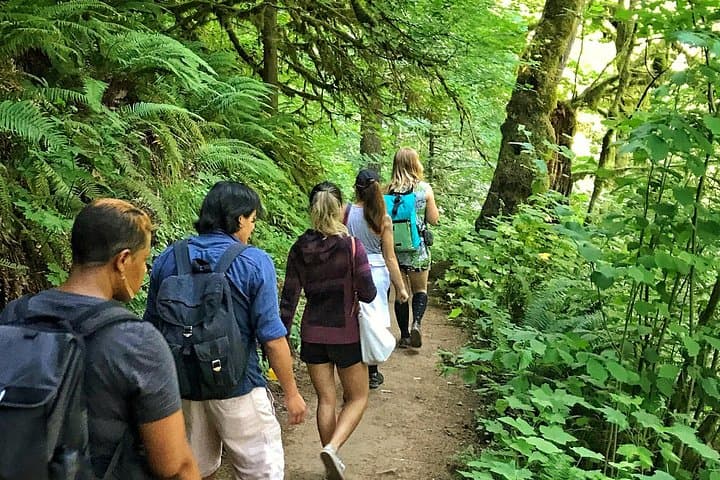
Lose the city for a few hours without leaving it: this 5-mile, 900-foot-gain Forest Park loop threads old-growth pockets, city viewpoints, and cultural landmarks for a compact taste of Portland’s wild side. Expect moss, roots, and stories.