
What the day feels like
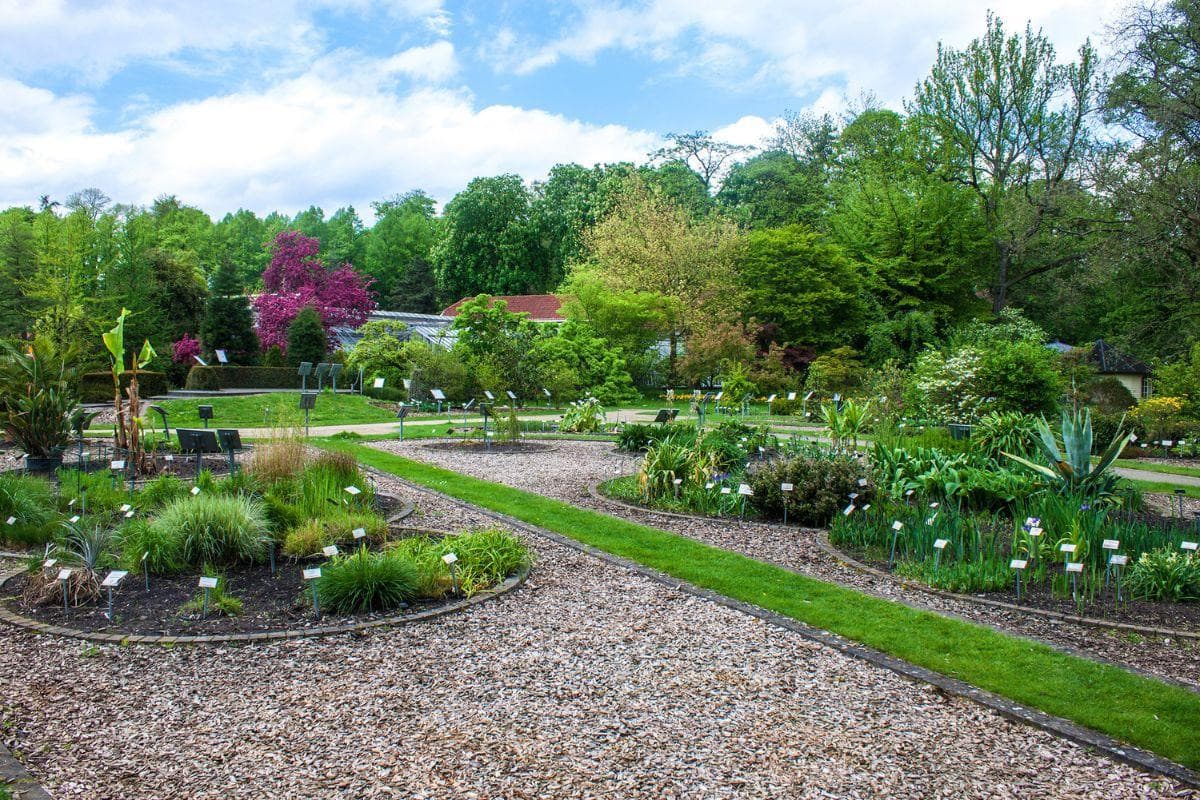
By the time you slip through the low iron gate of Botanical Garden Münster, the city’s bike bells and tram bells fall away into a quieter rhythm: the measured scratching of leaves, the distant hum of a lawnmower, the little conversations of people pausing to read plant placards. It’s an urban refuge that doesn’t shout—its power is quieter, the kind that gathers attention through detail. Paths curve around beds of perennials and experimental plots, while a stand of mature limes leans like a row of quiet sentinels. On a spring morning, steam rises from glasshouse panes and the air tastes faintly of damp soil and green sap. You feel something practical and restorative at the same time: the garden is both classroom and sanctuary, and it rewards a curious, observant walk.
The garden belongs to the University of Münster and has grown into a layered landscape of botanical research, teaching collections and public plantings. Its beds catalogue plant families as much as histories—herbs used in Westphalian cooking sit a few steps from medicinal specimens once cataloged by early university naturalists. That mix of scientific purpose and everyday pleasure is what makes a visit here feel grounded: you’re walking through living experiments that are also arranged as inviting rooms in a larger green house.
Geologically, Münster rides shallow hills on a low plain carved by glacial and river action; the garden exploits modest grade changes to create varied microclimates. Greenhouses—at once theatrical and functional—house tropical palms and orchids, a reminder that this small patch of Westphalia contains ecosystems from far corners of the globe. The human story of the garden intertwines with Münster’s identity as a cycling city and a university town: students and professors have shaped the collections for teaching and research for generations, and many benches still host late-afternoon reading groups or maps spread between friends planning their next ride around the lake.
A great way to experience this is to thread the garden visit into a guided “surprise” walk around Münster led by a local. The product available here—Surprise Walk of Münster with a Local—pairs the garden’s calm with the city’s sharper edges: medieval squares, hidden courtyards, and local anecdotes you won’t find on a brochure. The walk is not a rote checklist; it’s conversational. Guides stitch botanical notes—why a certain shrub thrives here, which trees were planted after the war—into stories about the city’s neighborhoods and the people who live in them. That marriage of nature and city crafts a fuller view of Münster than either a solo museum visit or a standalone garden tour could provide.
Practicalities matter here. The paths are mostly paved or compacted gravel and are easy on foot; expect gentle undulations rather than rugged hiking. Benches and small lawns invite pauses for coffee or sketching. The greenhouses are the garden’s theatrical spaces—humid, warm, and full of scent—so plan to step slowly there and allow your camera time to adjust to the change in light.
How to plan your visit: give yourself at least 60–90 minutes for the garden alone—longer if you want to linger in the glasshouses or read the educational signs. Pair it with the Surprise Walk for a half-day cultural loop through Münster: the guided walk typically lasts around 2–3 hours and will take you through the botanical narrative into urban chapters—market squares, bakeries, and canal-front lanes where locals throw bread to ducks. If you’re timing for light, mid-morning through late afternoon is ideal; the glasshouses catch the sun then, and the temperature inside is comfortable without being stifling on cooler days.
Footwear should be comfortable and water-resistant if there’s been rain; while most paths drain well, occasional puddles linger near planted beds. Bring a refillable water bottle—there are places to fill—and a compact rain jacket in spring or autumn when weather can shift. If you go with the Surprise Walk, wear layers: local guides often weave in lengthy walks between sites, and a brisk wind across the Münster plain can make a single thin layer feel insufficient.
The garden is a straightforward destination for families and solo travelers alike. For photographers, the best light is early morning for glasshouse exteriors and late afternoon for beds and shady tree corridors. Use a polarizer to cut reflections off glass and saturate greens; a 50–100mm lens offers good compression for plant portraits, while a wide-angle can capture the architectural sweep of the older greenhouses.
Beyond the garden and the guided walk, Münster rewards slow exploration: rent a bike after your tour and ride the Aasee loop, or find a café near Prinzipalmarkt and watch the city’s cyclists thread the streets. A local guide’s anecdotes will steer you to lesser-known cafés and neighborhood bakeries where regional flavors—dark breads, locally brewed beers—give context to the plants you just walked past.
For anyone who values gentle learning and accessible outdoor time, Botanical Garden Münster is an essential stop. It’s not a monument; it’s a working, living place where students study, researchers cultivate, and city residents find shade. Combine it with a local-led Surprise Walk of Münster and you get a travel experience that’s both quietly restorative and rich in cultural insight—the kind of afternoon that turns a city visit into a small, memorable education in how people live with plants.
The garden doesn’t demand heroic exertion, only curiosity. It rewards attention: the texture of a leaf, the furtive movement of an insect, the lineage of a plant labeled in Latin on a small brass plate. These are small things on a map but when pieced together with local stories they become a map of Münster itself—practical, rooted, and quietly alive.
Trail wisdom
Small choices, better day.
Combine garden time with a local walk
Book the Surprise Walk of Münster with a Local to link plant-focused stops with neighborhood stories and hidden city corners.
Plan for humidity in the greenhouses
Bring a light layer you can remove; greenhouses are warm and steam can fog lenses and glasses.
Bring refillable water
There are drinking points nearby but carrying a bottle keeps you hydrated on the loop through the city and garden.
Wear comfortable shoes
Paths are mostly paved or compacted gravel—supportive footwear will keep you comfortable for the 1–3 hour visit.
Local knowledge
Read the place, not just the route.
Watch for native species including common European blackbird, honeybees and bumblebees.
Keep an eye out for wildlife during the transition between areas and habitats. Respect distance guidelines.
The garden supports plant conservation and education through native plantings and research collections; visitors are encouraged to follow paths and avoid picking plants to protect specimens.
Follow the guide's instructions on size limits, ethical handling, and leave-no-trace practices.
A quiet bench beneath the linden avenue often shaded by scanning students; look for local sketchbooks or botanists at work.. The smaller medicinal herb plots near the education beds, where local herbal remedies are labeled and often overlooked.
Locally recommended viewpoints and quiet spots known best to local operators.
The garden is part of the University of Münster’s botanical collections, serving both research and public education and reflecting a long local tradition of university-maintained living collections.
Maritime roots and regional tradition shape the waterways and working coasts.
Seasonal guide
Four versions of the same landscape.
Spring
Best forflowering bulbs · mild weather · birdwatching
Challengesmuddy patches after rain · variable temperatures
Spring brings bulbs and early perennials into bloom and comfortable walking temperatures, though showers can make paths slick.
Summer
Best forlush leafy canopy · greenhouse contrasts · long daylight hours
Challengeswarmer greenhouse interiors · peak visitor numbers
Summer showcases full foliage and dramatic greenhouse displays—visit mornings to avoid crowds and midday heat in enclosed spaces.
Fall
Best forautumn foliage · fewer crowds · crisp light for photography
Challengesshorter daylight · cooler mornings
Fall offers vivid leaf color and excellent light for photos; pack layers for chilly starts and warm afternoons.
Winter
Best forquiet visits · greenhouse warmth · seasonal plant displays
Challengescooler outdoor temperatures · reduced outdoor blooms
Winter visits are peaceful and ideal for spending time inside the heated glasshouses where tropical plants provide contrast to the grey city.
Pack with intention
What to bring.
Good to know
Common questions.
Entry to the outdoor beds is generally free; verify greenhouse access or special exhibitions on the garden’s official site before you go.
Plan the edges
The details that make the day easier.
Botanical Garden Münster is maintained by the University of Münster and serves as a teaching and research collection as well as a public garden, blending academic study with civic green space.
Münster is a cycling city with cozy cafés and bakeries—pair your garden visit with a coffee at a nearby neighborhood café and sample Westphalian breads and regional beer for a local finish.
- Location
- University of Münster grounds. Typical visit: 1–3 hours. Entry: outdoor areas usually free; check for greenhouse access. Best light: morning or late afternoon. Accessibility: mostly paved paths; confirm greenhouse thresholds.
Respect plant collections by staying on paths, avoid removing seeds or cuttings, and support local conservation by choosing guided tours that prioritize low-impact visitation and local knowledge.
Explore by topic
Follow the threads.
Keep exploring
Make the story part of the trip.
In four hours you can move from shaded canyon ferns to wind-scoured coastal ridgelines, guided by someone who knows where the light—and the hidden views—live. This private half-day hike on the Monterey Peninsula or Big Sur is compact, curated, and perfect for travelers who want depth without a multiday commitment.
 Related story
Beneath a sky of shifting light, Skaftafell’s ice reads like a map of time. This three-hour guided glacier hike mixes technical instruction with geology and culture: compact, safe, and unforgettable.
 Related story
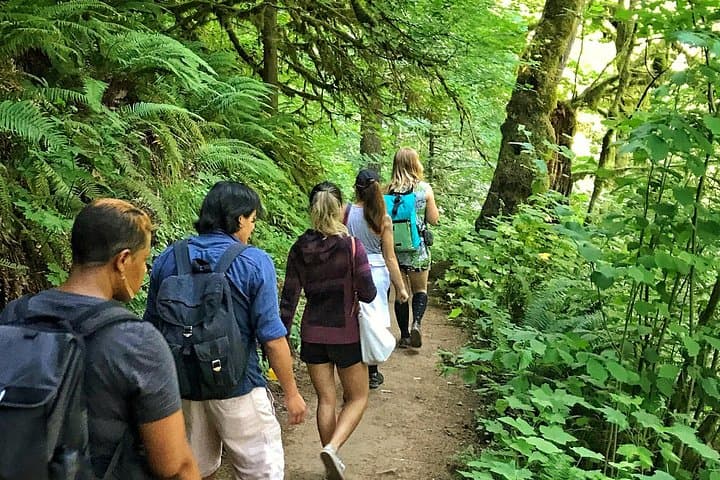
Lose the city for a few hours without leaving it: this 5-mile, 900-foot-gain Forest Park loop threads old-growth pockets, city viewpoints, and cultural landmarks for a compact taste of Portland’s wild side. Expect moss, roots, and stories.