About this landmark
Majestic Mount Lamongan
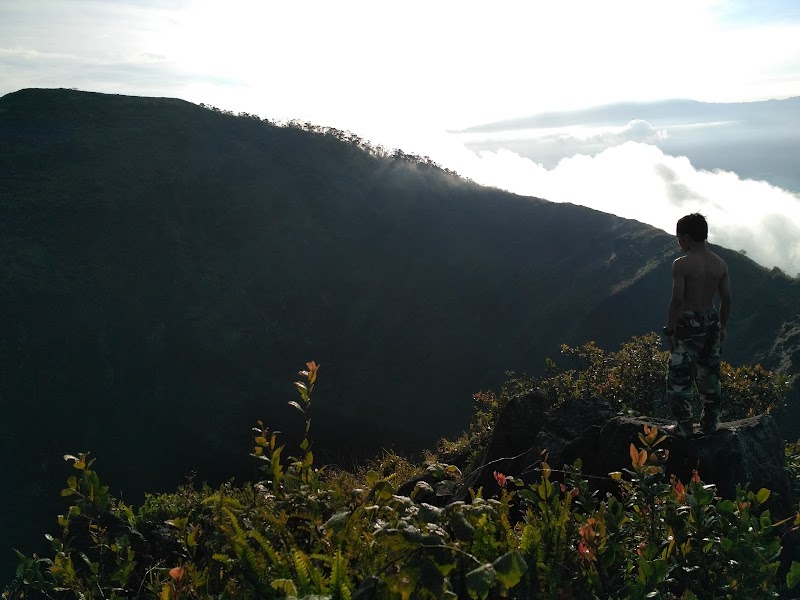
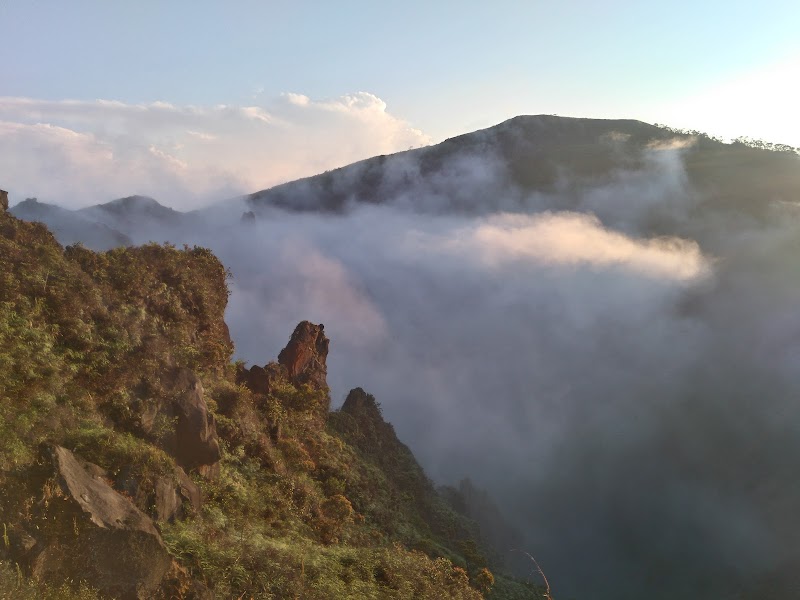
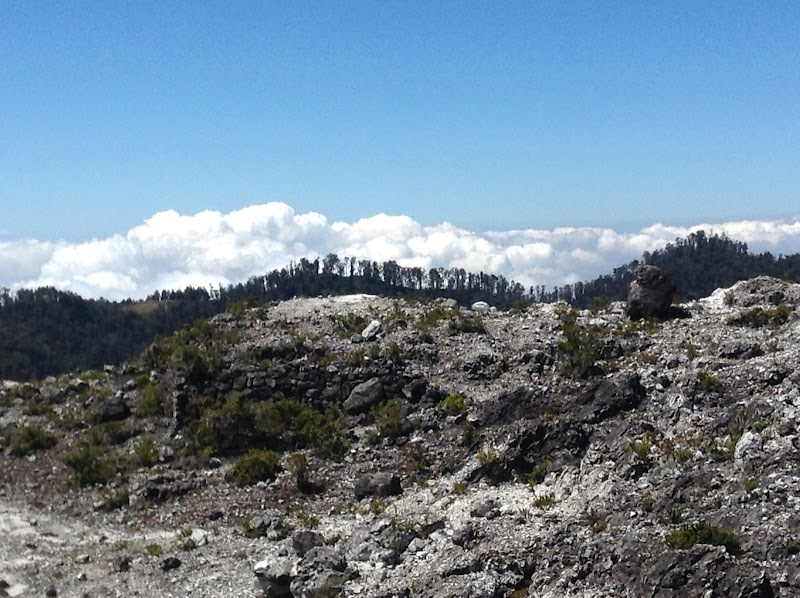
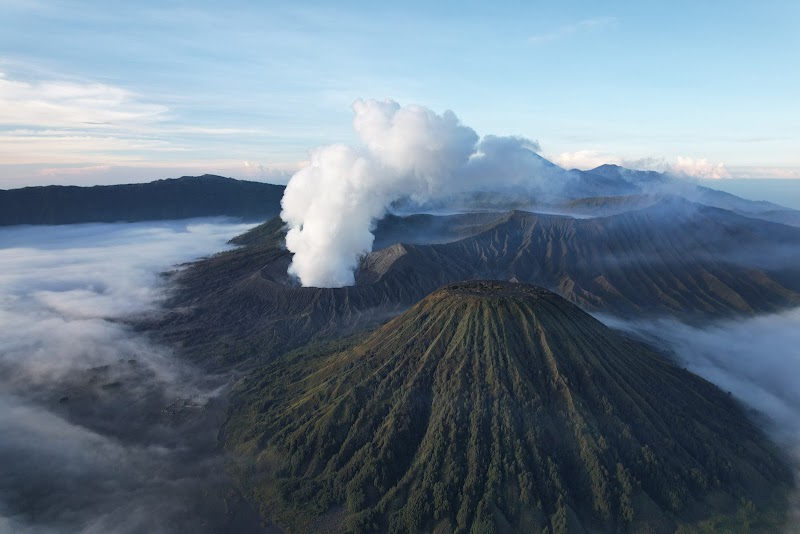
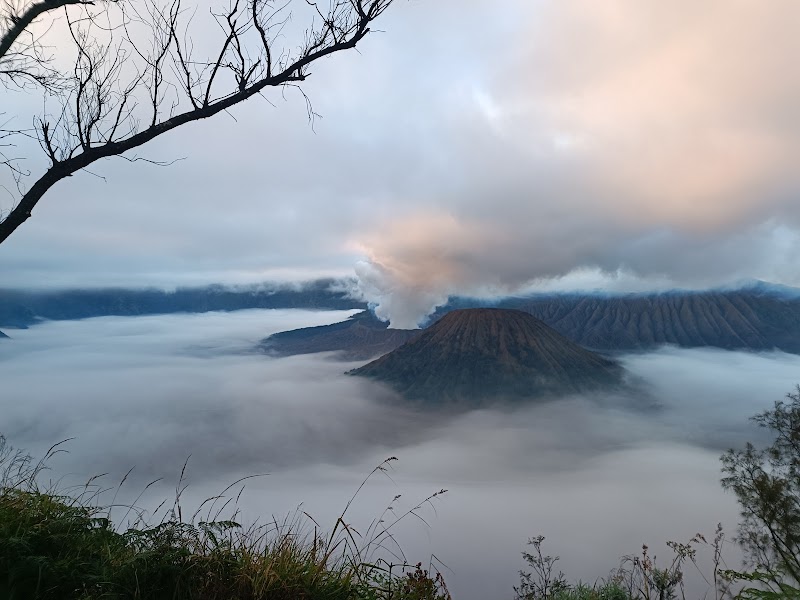
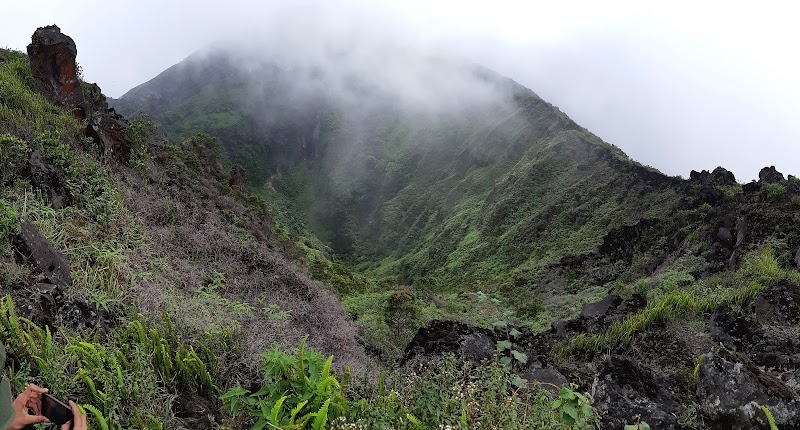
Mount Lamongan, located in the Lumajang Regency of East Java, Indonesia, offers a captivating landscape teeming with lush greenery and dramatic vistas. This stratovolcano stands out in the region, characterized by its distinct conical shape cloaked in greenery. Visitors are enchanted by the tranquil atmosphere and the unique natural formation of its crater, often shrouded in mist, creating an ethereal scene. Flora enthusiasts will appreciate the diverse plant life, while bird watchers might spot unique species native to the region. With its rich volcanic soil, the area supports a variety of plants that add vibrant splashes of color. Historically, Mount Lamongan has been an integral part of local culture, with the nearby Tengger people holding it in high esteem. The volcano’s past eruptions have shaped the landscape, creating fertile lands that support local agriculture. Whether you're interested in geology, botany, or local culture, Mount Lamongan provides a unique tapestry of experiences that sets it apart from other volcanoes in Indonesia.
Adventure Guide
Adventure Guide To Mount Lamongan
1. Hiking the Lamongan Trail
- Special Features: Offers panoramic views of East Java.
- Local Insights: Best viewed at sunrise for breathtaking vistas.
- Visitor Tips: Start early, bring sturdy shoes and water.
2. Bird Watching near Ranu Klakah Lake
- Special Features: Home to diverse species, ideal for bird enthusiasts.
- Local Insights: Early morning is best to spot a variety of birds.
- Visitor Tips: Bring binoculars and a guidebook to identify species.
3. Exploring Ranu Pakis
- Special Features: Serene crater lake ideal for relaxed walks.
- Local Insights: Local legend speaks of mystical creatures.
- Visitor Tips: Ideal to visit in the late afternoon for stunning reflections.
Practical Advice
- Best Times to Visit: Dry season (May to September).
- What to Bring: Water, snacks, sun protection, binoculars.
- Directions: From Lumajang, head northwest towards the village of Sumberpetung. Approximately a 2-hour drive.
Visitor Tips
- Best Times:Dry season (May to September) for favorable conditions and optimal lighting.
- What to Bring:Plenty of water, sun protection, a camera, and respectful Leave-No-Trace mindset.