THE ADVENTURE COLLECTIVE® · Independent discovery and booking for outdoor travel

Four days that compress Java’s most dramatic landscapes: sunrise at Bromo, the curtain of Tumpak Sewu and a midnight climb to Ijen’s blue fire. Expect long drives, early mornings and terrain that rewards sturdy boots and good planning.
Four days that compress Java’s most dramatic landscapes: sunrise at Bromo, the curtain of Tumpak Sewu and a midnight climb to Ijen’s blue fire. Expect long drives, early mornings and terrain that rewards sturdy boots and good planning.
A pre-dawn wind bites at Kingkong Hill as the jeep settles and the first cups of coffee steam in cupped hands. From that ridge the Tengger Caldera opens: a grey sea of sand, the ribbed flank of Mount Batok and the smoking throat of Bromo framed against a pale horizon. The tour moves fast—crater rim, a roadside fall into green at Tumpak Sewu, and a night trek toward the sulphur-lit mouth of Ijen—but each stop delivers a very different edge of eastern Java.
Verified experiences and guided adventures in the surrounding area.
Operated by Java Adventure Trail · Surabaya, East Java
A pre-dawn wind bites at Kingkong Hill as the jeep settles and the first cups of coffee steam in cupped hands. From that ridge the Tengger Caldera opens: a grey sea of sand, the ribbed flank of Mount Batok and the smoking throat of Bromo framed against a pale horizon. The tour moves fast—crater rim, a roadside fall into green at Tumpak Sewu, and a night trek toward the sulphur-lit mouth of Ijen—but each stop delivers a very different edge of eastern Java.
Geology here is loud. Mount Bromo sits inside a vast caldera carved by repeated collapses; Semeru, Java’s highest peak, still breathes ash. Ijen’s crater hosts one of the world’s largest acidic lakes and historically active sulfur extraction—miners’ paths and open canaries of yellow ore are visible along the rims. Culturally, the Tenggerese people maintain Hindu temples—Pura Luhur Poten at Bromo’s edge—and local rites still shape landscape use.
Practical guidance: expect early starts (3:30am for sunrise at Bromo; ~1am for Ijen), long drives between sites, and uneven, often slippery trails. Bring layered warm clothing for high-elevation mornings, waterproof footwear for wet waterfalls and the sea of sand’s fine dust, and a reliable headlamp for the Ijen ascent. Blue fire is a seasonal, weather-dependent phenomenon and may be temporarily invisible; first Fridays of the month can close Ijen. Hydrate on the road, allow buffer time for ferry connections to Bali, and follow local guide instructions closely—the terrain is spectacular but unforgiving.
moderate.
4 days.
Moderate fitness required: several hours of walking, stairs and loose scree; able to manage early starts and long vehicle transfers.
Blue fire is weather- and gas-dependent; it’s often visible but can be obscured by wind or rain—operators note it may be temporarily not visible.
Sections include steep climbs and uneven terrain; beginners with moderate fitness can manage with a steady pace and guide support.
The operator advises it is not suitable for pregnant travelers and young infants should sit on laps—check health considerations before booking.
Yes—this itinerary includes transfer to Ketapang Ferry Port and the one-hour ferry to Bali; account for ferry schedules when planning onward travel.
The Tenggerese people maintain Hindu traditions around Mount Bromo (Pura Luhur Poten) despite Java’s majority Muslim population; sulfur extraction at Ijen dates back decades.
Volcanic and waterfall ecosystems are fragile—stay on trails, avoid littering, and follow local guide rules; sulfur mining impacts and visitor pressure require careful, low-impact tourism.
Java Adventure Trail operates guided outdoor trips and adventures with an emphasis on safety, stewardship, and memorable experiences.
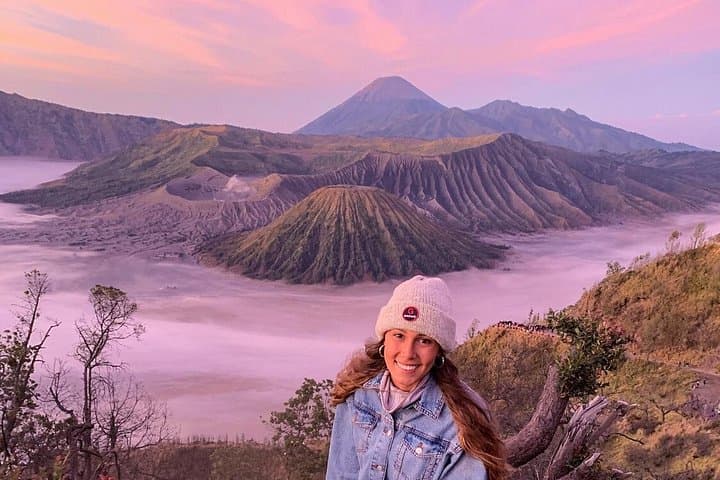
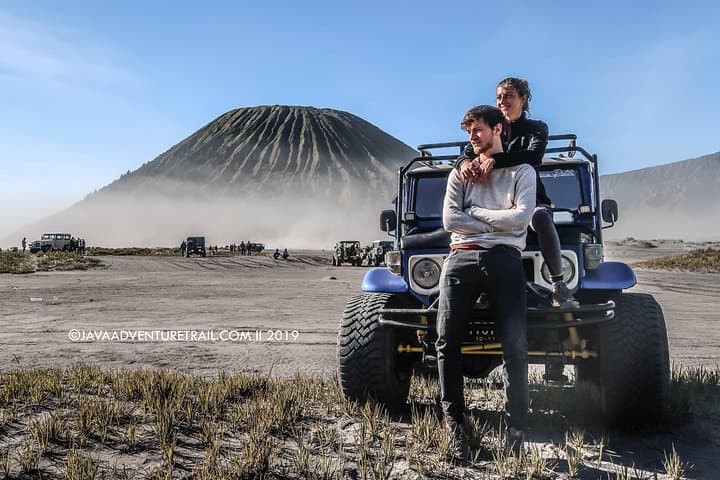
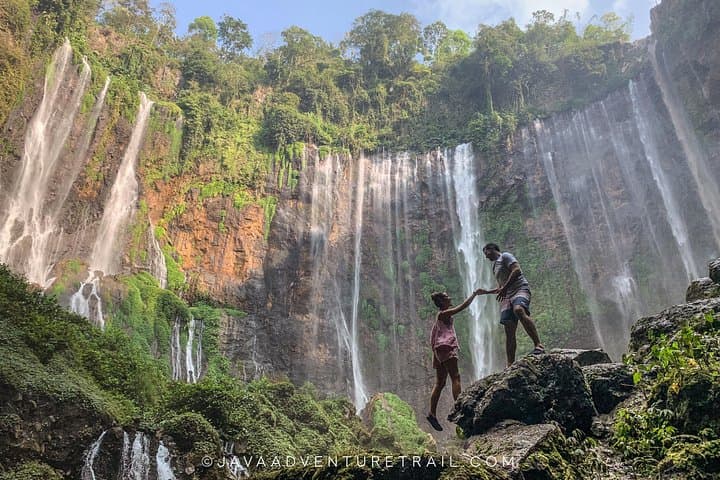
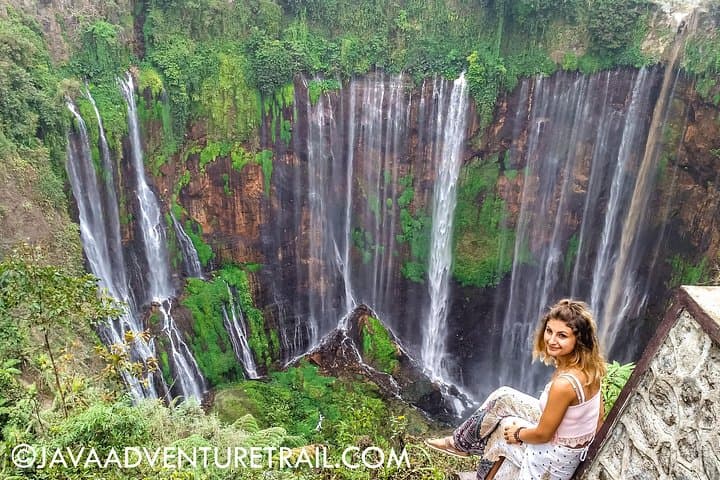
A pre-dawn wind bites at Kingkong Hill as the jeep settles and the first cups of coffee steam in cupped hands. From that ridge the Tengger Caldera opens: a grey sea of sand, the ribbed flank of Mount Batok and the smoking throat of Bromo framed against a pale horizon. The tour moves fast—crater rim, a roadside fall into green at Tumpak Sewu, and a night trek toward the sulphur-lit mouth of Ijen—but each stop delivers a very different edge of eastern Java.
A pre-dawn wind bites at Kingkong Hill as the jeep settles and the first cups of coffee steam in cupped hands. From that ridge the Tengger Caldera opens: a grey sea of sand, the ribbed flank of Mount Batok and the smoking throat of Bromo framed against a pale horizon. The tour moves fast—crater rim, a roadside fall into green at Tumpak Sewu, and a night trek toward the sulphur-lit mouth of Ijen—but each stop delivers a very different edge of eastern Java.
Geology here is loud. Mount Bromo sits inside a vast caldera carved by repeated collapses; Semeru, Java’s highest peak, still breathes ash. Ijen’s crater hosts one of the world’s largest acidic lakes and historically active sulfur extraction—miners’ paths and open canaries of yellow ore are visible along the rims. Culturally, the Tenggerese people maintain Hindu temples—Pura Luhur Poten at Bromo’s edge—and local rites still shape landscape use.
Practical guidance: expect early starts (3:30am for sunrise at Bromo; ~1am for Ijen), long drives between sites, and uneven, often slippery trails. Bring layered warm clothing for high-elevation mornings, waterproof footwear for wet waterfalls and the sea of sand’s fine dust, and a reliable headlamp for the Ijen ascent. Blue fire is a seasonal, weather-dependent phenomenon and may be temporarily invisible; first Fridays of the month can close Ijen. Hydrate on the road, allow buffer time for ferry connections to Bali, and follow local guide instructions closely—the terrain is spectacular but unforgiving.