THE ADVENTURE COLLECTIVE® · Independent discovery and booking for outdoor travel

Three days across East Java deliver volcanic sunrises, a towering waterfall amphitheater and the otherworldly blue fire of Ijen. This practical guide outlines what to expect on the roads, trails and crater rims so you can prepare for steep climbs, sulfur fumes and pre-dawn starts.
Three days across East Java deliver volcanic sunrises, a towering waterfall amphitheater and the otherworldly blue fire of Ijen. This practical guide outlines what to expect on the roads, trails and crater rims so you can prepare for steep climbs, sulfur fumes and pre-dawn starts.
You awake before dawn on the rim of Java — cold air pushes at your jacket while the caldera floor below breathes steam and scattered headlamps move like fireflies. The tour begins with the shock of Bromo’s sunrise: a bowl of ash, a smoking cone and an orange band that lifts off the horizon, then a quick descent into crater sand that crunches underfoot.
Verified experiences and guided adventures in the surrounding area.
Operated by Sunrise Indonesia Tour & Travel · Cemoro Lawang, East Java
You awake before dawn on the rim of Java — cold air pushes at your jacket while the caldera floor below breathes steam and scattered headlamps move like fireflies. The tour begins with the shock of Bromo’s sunrise: a bowl of ash, a smoking cone and an orange band that lifts off the horizon, then a quick descent into crater sand that crunches underfoot.
Day one brings a very different rhythm at Tumpak Sewu, where a curving curtain of water drops roughly 120 meters into a green amphitheater. Trails here include steep stairs, muddy approaches and river-level scrambling to reach photo points and the narrow Goa Tetes cave pool. The geology shifts from volcanic ash and pumice on Bromo to basalt cliffs and karst-like features framing the waterfall.
The route finishes with an overnight near Ijen and a pre-dawn trek to witness the famous blue fire — sulfur combustion visible in the crater at night. Ijen’s rim sits above 2,400 m and the trail from Paltuding is steep and rocky; expect a 3–4 km ascent in cool, sulphurous air. Culturally, the Tenggerese communities around Bromo practice Hindu rites tied to Mount Bromo, while Banyuwangi’s miners and port towns shaped Ijen’s working landscape.
Practical edge: bring a warm, windproof layer for 2–4°C temps at sunrise, a reliable headlamp, a respirator for sulfur fumes, and good ankle-support boots for mixed volcanic sand, stairways and slippery river rock. Days are long — plan for multiple early wake-ups and back-to-back drives between sites.
moderate.
3 days (2 nights).
Suitable for travellers with regular walking fitness; comfortable on 2–4 km steep ascents and uneven terrain, plus early-morning wake-ups.
The trail from Paltuding is steep and rocky, typically 3–4 km one-way; allow 2–3 hours up depending on pace and fitness.
This tour package typically includes entrance fees for Bromo, Ijen and Tumpak Sewu and jeep transfers for Bromo; confirm specifics with the operator.
Entrance tickets are required at Bromo and Ijen and are usually arranged by the tour; international visitors do not need a special permit beyond these tickets.
Tumpak Sewu involves steep, slippery sections and river access; Ijen requires a steep ascent — not recommended for travelers with serious mobility limitations or respiratory issues.
The Tenggerese people maintain Hindu rituals on the slopes of Bromo; the volcanic landscape has shaped settlement, agriculture and spiritual practice for centuries.
Both Bromo and Ijen are ecologically fragile — stick to marked paths, avoid littering, and respect miners and local communities working at the crater.
Sunrise Indonesia Tour & Travel operates guided outdoor trips and adventures with an emphasis on safety, stewardship, and memorable experiences.
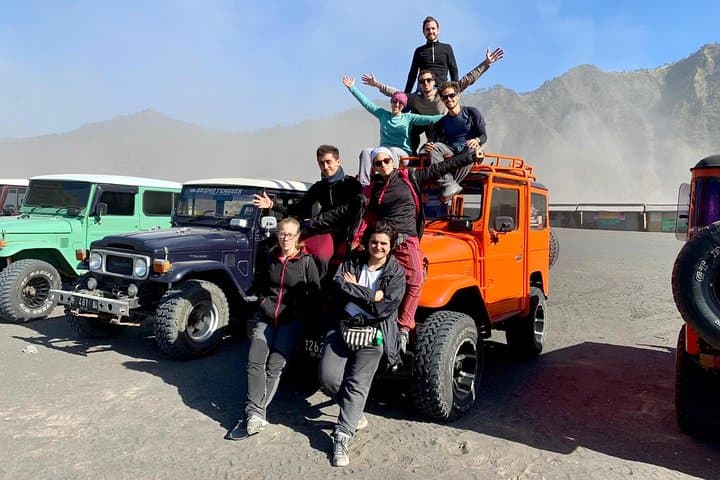
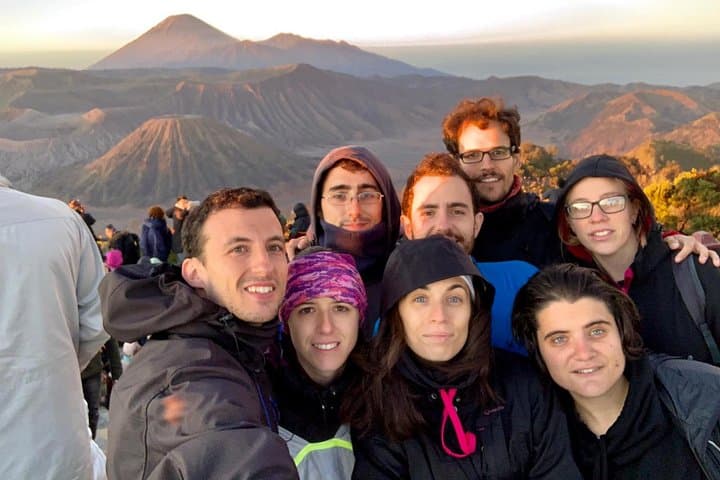
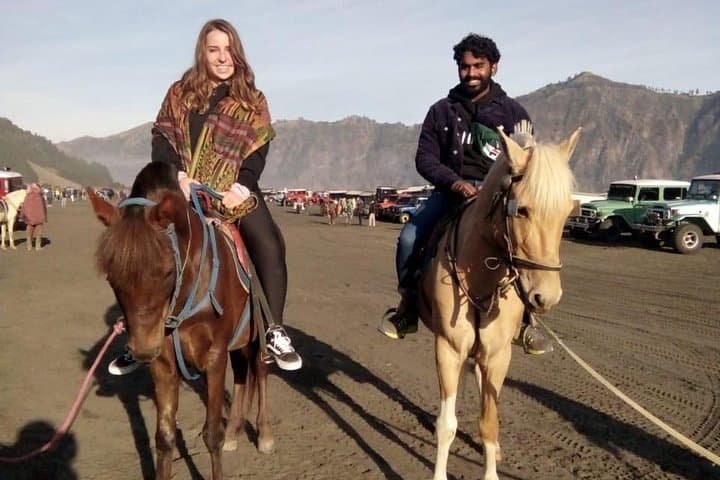
You awake before dawn on the rim of Java — cold air pushes at your jacket while the caldera floor below breathes steam and scattered headlamps move like fireflies. The tour begins with the shock of Bromo’s sunrise: a bowl of ash, a smoking cone and an orange band that lifts off the horizon, then a quick descent into crater sand that crunches underfoot.
You awake before dawn on the rim of Java — cold air pushes at your jacket while the caldera floor below breathes steam and scattered headlamps move like fireflies. The tour begins with the shock of Bromo’s sunrise: a bowl of ash, a smoking cone and an orange band that lifts off the horizon, then a quick descent into crater sand that crunches underfoot.
Day one brings a very different rhythm at Tumpak Sewu, where a curving curtain of water drops roughly 120 meters into a green amphitheater. Trails here include steep stairs, muddy approaches and river-level scrambling to reach photo points and the narrow Goa Tetes cave pool. The geology shifts from volcanic ash and pumice on Bromo to basalt cliffs and karst-like features framing the waterfall.
The route finishes with an overnight near Ijen and a pre-dawn trek to witness the famous blue fire — sulfur combustion visible in the crater at night. Ijen’s rim sits above 2,400 m and the trail from Paltuding is steep and rocky; expect a 3–4 km ascent in cool, sulphurous air. Culturally, the Tenggerese communities around Bromo practice Hindu rites tied to Mount Bromo, while Banyuwangi’s miners and port towns shaped Ijen’s working landscape.
Practical edge: bring a warm, windproof layer for 2–4°C temps at sunrise, a reliable headlamp, a respirator for sulfur fumes, and good ankle-support boots for mixed volcanic sand, stairways and slippery river rock. Days are long — plan for multiple early wake-ups and back-to-back drives between sites.