About this landmark
The Mighty Mauna Loa: A Natural Wonder
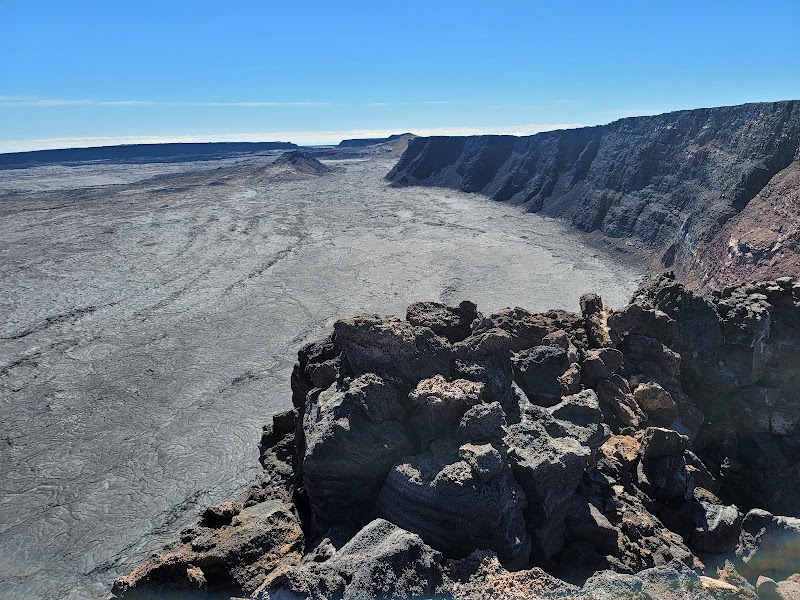
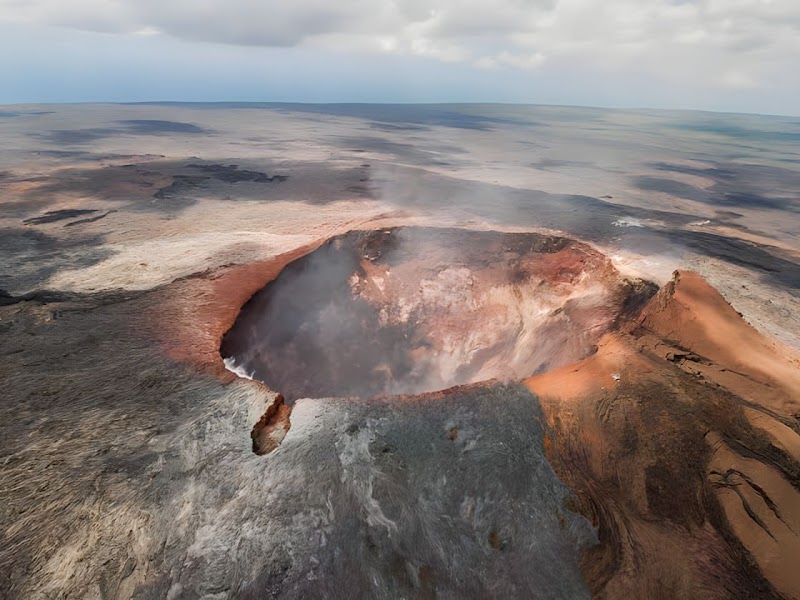
Mauna Loa, Hawaii is one of the most iconic natural landmarks in the world, dominating the skyline of the Big Island. Known as the world's largest active volcano, Mauna Loa is a marvel of geological activity and a prominent feature of Hawai'i Volcanoes National Park. Rising to an elevation of 13,681 feet above sea level, this colossal shield volcano covers about 50% of the island of Hawaii, providing awe-inspiring views and unique natural features for visitors.
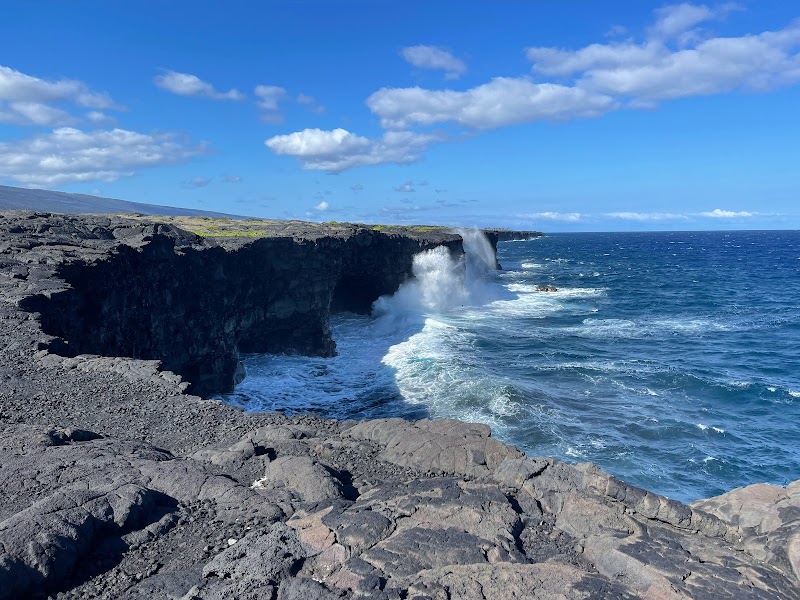
The volcanic landscape is marked by vast lava flows, stunning craters, and a diverse ecosystem that includes rare plant species and unique wildlife adapted to the volcanic environment. An interesting historical note is that Mauna Loa has been erupting for over 700,000 years, playing a major role in shaping the island's landscape and contributing to the rich tapestry of Native Hawaiian culture and mythology.
Visitors are captivated by the sheer scale and power of Mauna Loa's geological presence. It presents an unparalleled opportunity to witness the raw force of nature and explore one of Earth's most active volcanic regions. Whether you're a geologist, a hiker, or simply a curious traveler, Mauna Loa offers an exceptional glimpse into the dynamic processes that shape our planet.
Adventure Guide
Adventure Guide to Mauna Loa
1. Summit Trail Hike
- What Makes It Special: The Mauna Loa Summit Trail offers breathtaking panoramic views of the Big Island and beyond. The trail spans approximately 13 miles, showcasing diverse volcanic features and dramatic landscapes.
- Visitor Tips: Best undertaken from April to October when weather conditions are ideal. Bring layers, plenty of water, and high-energy snacks.
- Local Insights: Hiking to the summit requires acclimatization as altitude sickness is common. Learn about local legends of Pele, the Hawaiian goddess of volcanoes.
2. Birdwatching in Kipuka Puaulu
- What Makes It Special: Known as "Bird Park," this location is home to a variety of endemic Hawaiian bird species and unique flora.
- Visitor Tips: Early morning visits increase bird sighting chances. Equip yourself with binoculars and a guide to Hawaiian birds.
- Local Insights: Respect the natural habitat by staying on marked paths and maintaining a quiet presence.
3. Kilauea Overlook
- What Makes It Special: Although not part of Mauna Loa itself, the Kilauea Volcano's overlook within the same national park offers a dramatic view of another fiery giant.
- Visitor Tips: Ideal for sunset visits when the lava glow enhances the view.
- Local Insights: Take a moment to reflect on the ongoing geological processes and how they continue to shape Hawaii.
Visitor Tips
- Best Times:April to October for favorable conditions and optimal lighting.
- What to Bring:Plenty of water, sun protection, a camera, and respectful Leave-No-Trace mindset.