About this landmark
Port of Malabo: Gateway to the Sea
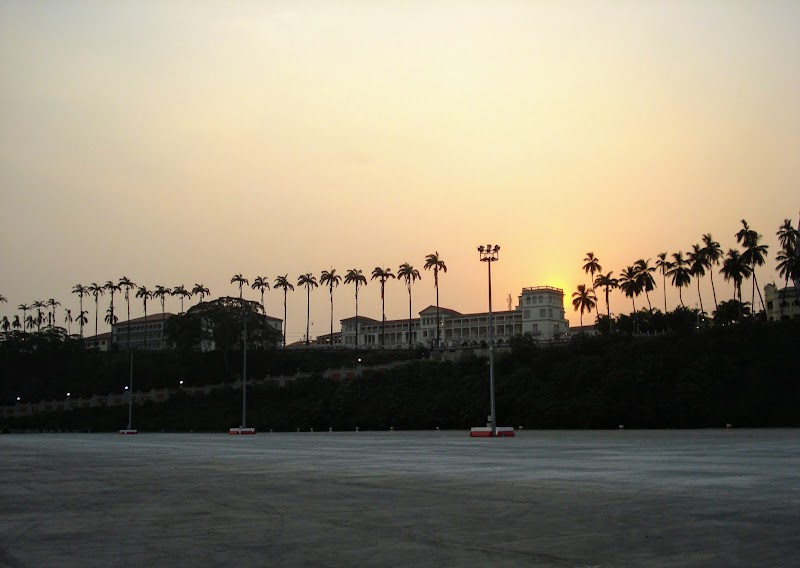
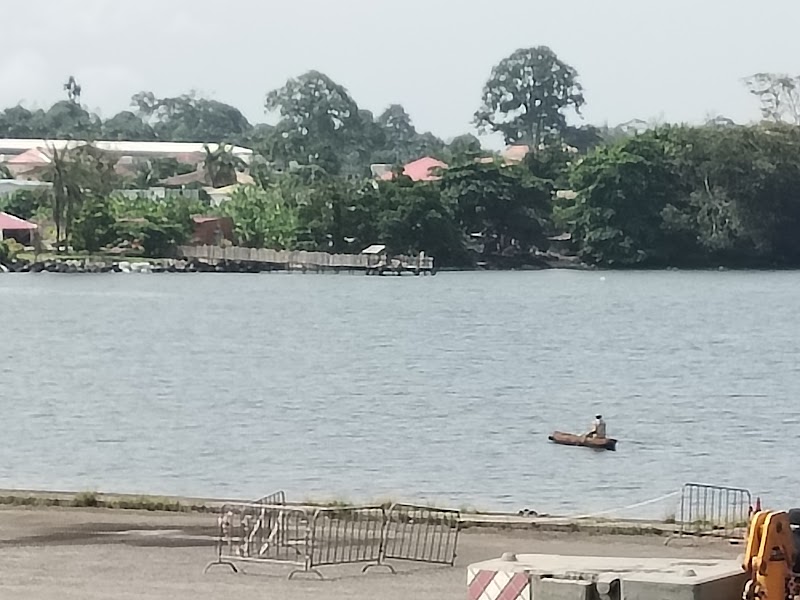
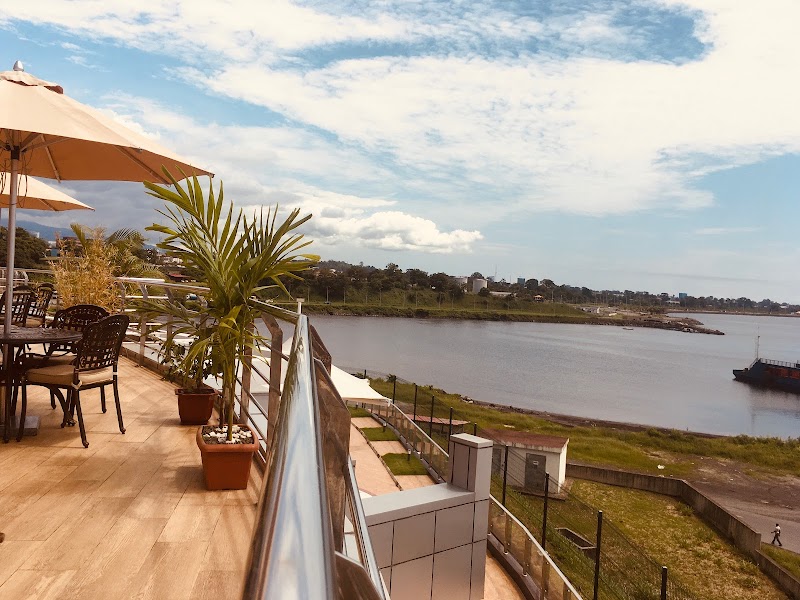
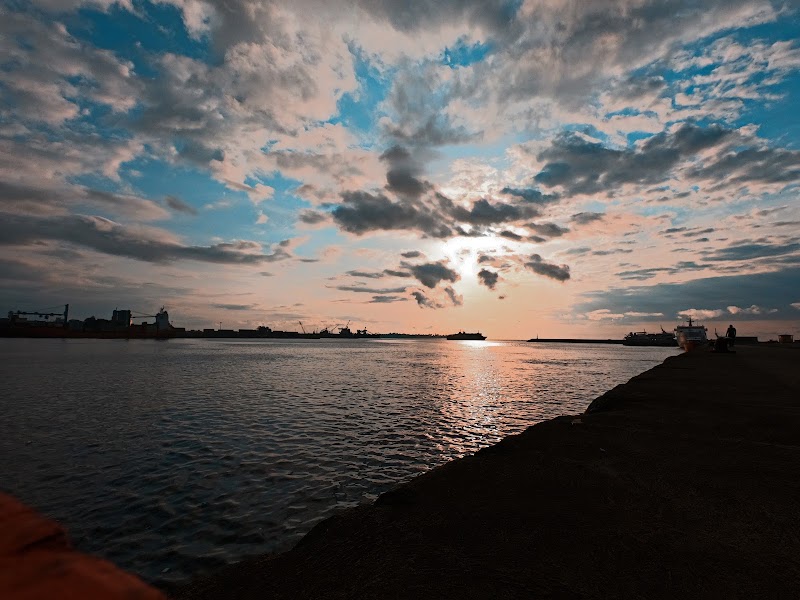
Port of Malabo sits gracefully along the north coast of Bioko Island, Equatorial Guinea. This vibrant port city is a unique blend of scenic beauty and bustling maritime activity, making it a significant site for visitors exploring Central Africa. The port serves as a crucial maritime hub, supporting trade and transportation while surrounded by picturesque waters.
Key Features:
- The port boasts an impressive view of open waters, with ships navigating the Gulf of Guinea under a skyline often painted by dramatic sunrises and sunsets.
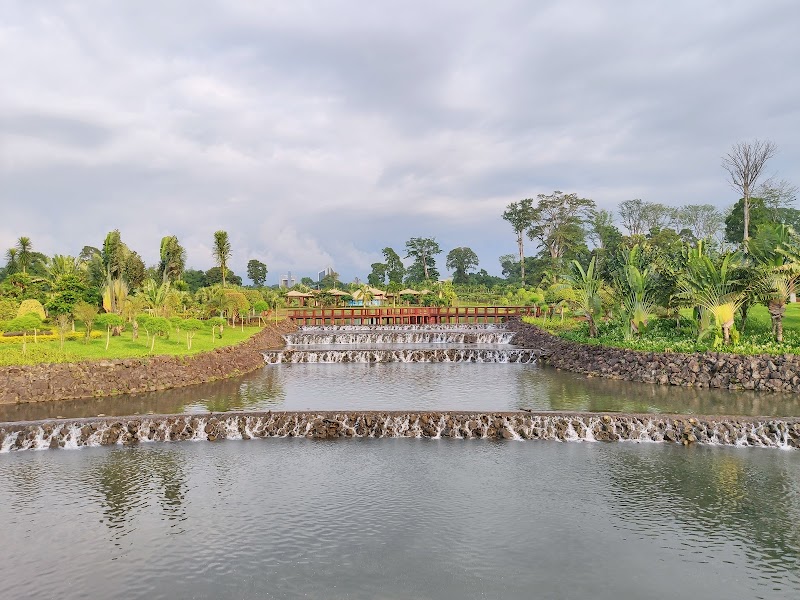
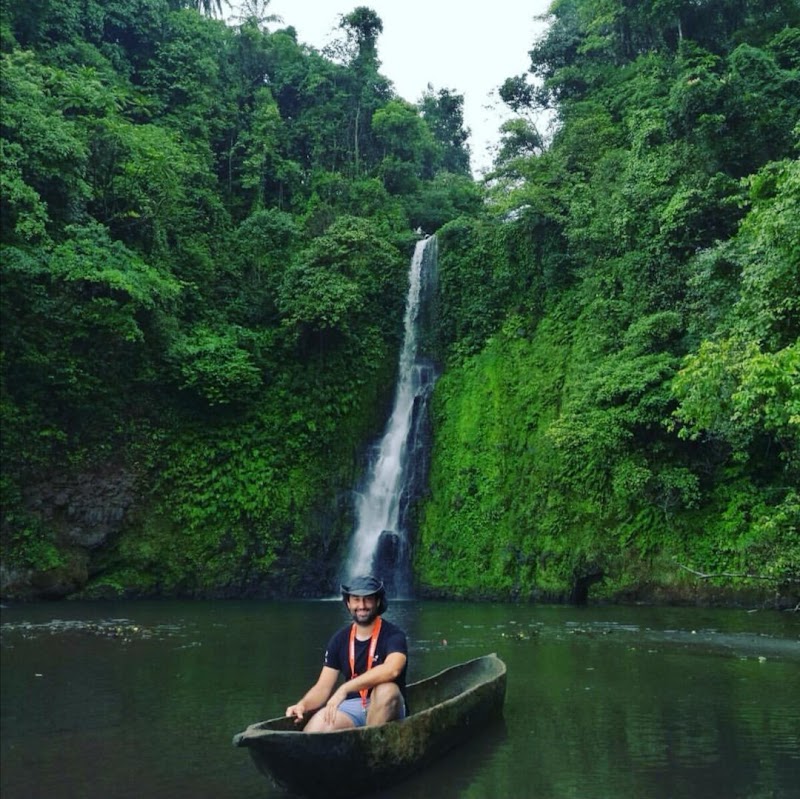
- Beyond the maritime charm, the surrounding landscapes offer lush tropical greenery and rich biodiversity.
Cultural Note:
Malabo, the capital city nearby, reflects a rich tapestry of Spanish colonial influence, seen in its architecture and street culture. The port itself is part of a historical narrative, offering insight into Equatorial Guinea’s maritime economy and cultural interactions with the globe.
Invitation:
Witness the seamless blend of trade and tranquility at Port of Malabo, a moment in time where nature meets global commerce.
Adventure Guide to Port of Malabo
1. Boat Excursions in the Gulf
- Specialty: Sail through the Gulf of Guinea, exploring small islands and witnessing marine wildlife like dolphins and sea turtles.
- Features: Guided tours offer history insights and cultural tales.
- Tips: Best visited during dry seasons (November to March). Bring lightweight clothing, sunscreen, and a camera.
2. Fishing Adventures
- Specialty: Angling in the rich waters around Bioko Island.
- Features: Experienced guides provide equipment and tips for catching local fish species.
- Tips: Book in advance. Carry motion sickness medication if needed.
3. Cultural Walk in Malabo
- Specialty: A walking tour of Malabo city, including colonial architecture and vibrant markets.
- Features: Local guides offer engaging stories.
- Tips: Wear comfortable shoes and stay hydrated. The best time is early morning to avoid heat.
Visitor Tips
- Best Times:November to March for favorable conditions and optimal lighting.
- What to Bring:Plenty of water, sun protection, a camera, and respectful Leave-No-Trace mindset.