About this landmark
Volcanic Majesty at Tungurahua, Ecuador
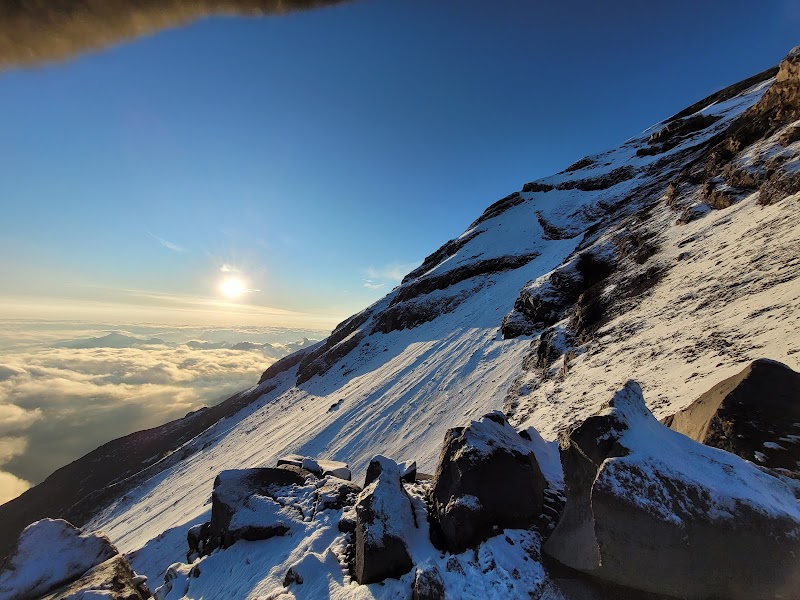
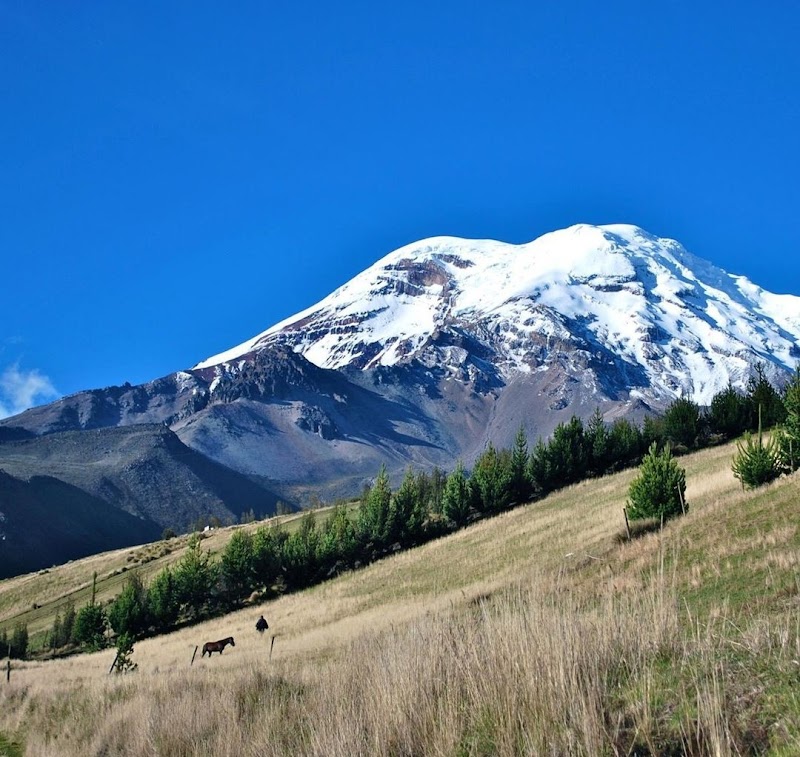
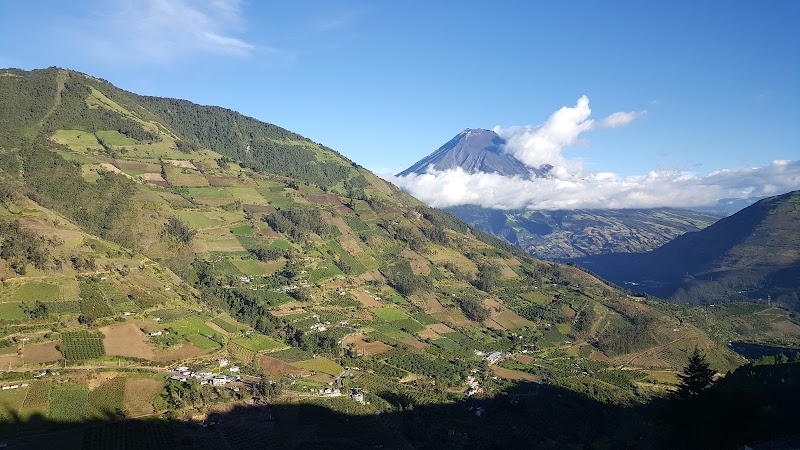
Tungurahua, an active stratovolcano located in the central Andes of Ecuador, stands as an inspiring natural landmark near the town of Baños and within the Tungurahua province. Rising over 5,000 meters (16,400 feet) above sea level, this towering cone of volcanic rock is one of Ecuador’s most famous and dynamic volcanoes. Its name means “Throat of Fire” in the indigenous Quechua language, a fitting description given its frequent eruptions and dramatic smoky plumes.
This volcano creates a striking contrast with the green-covered Andean valleys surrounding it, where agricultural fields and small villages dot the steep slopes. Tungurahua is particularly unique because of its constant volcanic activity, which offers spectacular views of volcanic ash clouds and occasional lava flows, attracting geologists and adventurers alike. The landscape surrounding Tungurahua includes fertile volcanic soil supporting local farms and rich biodiversity with native flora such as polylepis trees and various Andean orchids.
The volcano has a well-documented history of eruptions spanning centuries, with the most recent episodes beginning in 1999 and continuing periodically, shaping the culture and traditions of the local communities. Despite its volatility, Tungurahua is embraced by locals as a powerful presence, and the nearby hot springs in Baños town provide a warm retreat amid the rugged terrain. This combination of natural energy, distinctive ecosystem, and cultural connection makes Tungurahua a standout outdoor destination in Ecuador’s volcanic belt.
Adventure Guide
Adventure Guide To Tungurahua
1. Volcano Trekking Around Tungurahua
- What makes it special: Several guided treks allow visitors to hike around the volcano’s base and view the active crater from designated vantage points.
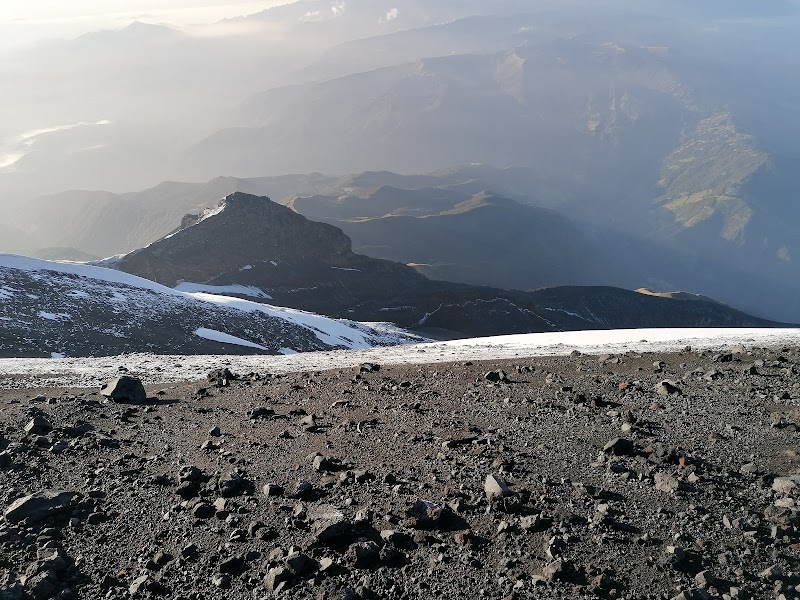
- Key features: Trails offer breathtaking views of the volcanic landscape, nearby valleys, and basalt rock formations.
- Local insights: The volcano’s eruptions can sometimes change trail access, so guides monitor safety closely.
- Visitor tips: Best visited during the dry season (June to September). Carry sturdy hiking boots, layered clothing, and a mask for ash protection.
2. Hot Springs of Baños
- What makes it special: Natural thermal baths heated by volcanic activity provide relaxing waters with scenic mountain backdrops.
- Key features: Several pools with varying temperatures, spa services, and dining nearby.
- Local insights: The springs are popular for recovery after hiking and are a cultural fixture in the area.
- Visitor tips: Bring swimwear, waterproof shoes, and a towel. Book visits early to avoid crowds during high season.
3. Paragliding Over Andes and Volcano
- What makes it special: Soar above the green valleys and volcanic peaks for a bird’s-eye view.
- Key features: Flights depart from the hills near Baños, offering views of Tungurahua’s plume and the surrounding landscape.
- Local insights: Local pilots offer experience levels for beginners and advanced flyers.
- Visitor tips: Ideal during mornings or late afternoons when thermal winds are stable. Bring a camera and wear weather-appropriate gear.
Getting There
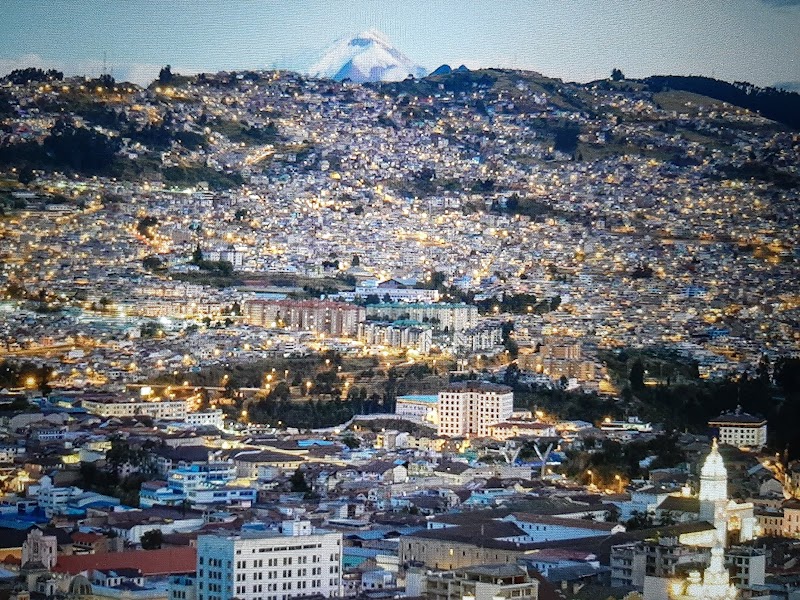
- Tungurahua can be reached from Quito by a 3- to 4-hour drive south. Public buses also connect Baños from major cities. The town of Baños serves as the main hub for visiting the volcano and local activities.
Visitor Tips
- Best Times:June to September for favorable conditions and optimal lighting.
- What to Bring:Plenty of water, sun protection, a camera, and respectful Leave-No-Trace mindset.