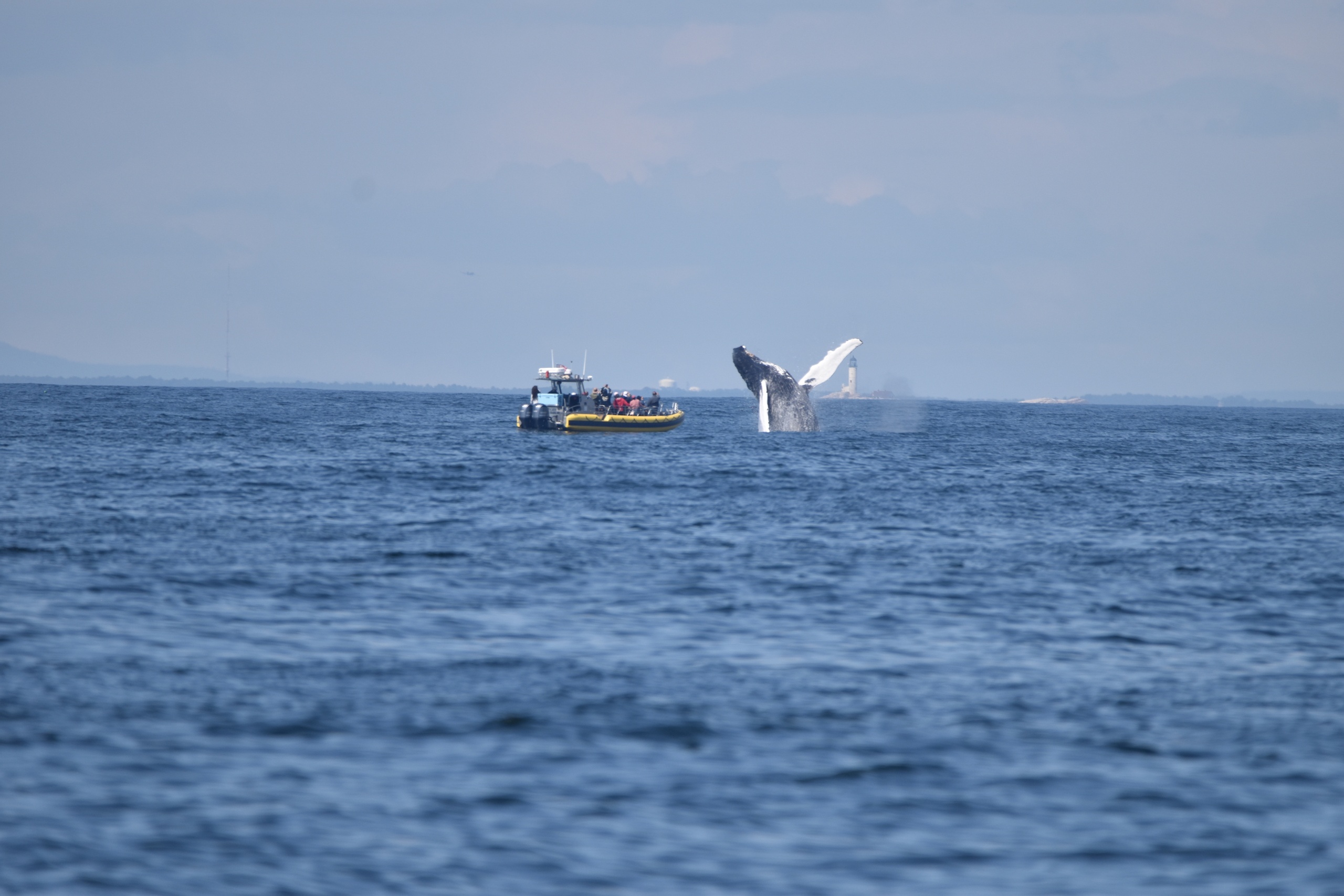
Whale Watching in York, Maine — Coastal Cruises & Wildlife Viewing
On the rocky cusp of southern Maine, York's coastline is as much a stage for ocean life as it is a tableau of lighthouses and tidepools. Whale-watching excursions from York and neighboring harbors take you from scenic shorelines past basalt ledges to the feeding lanes of the Gulf of Maine. Expect blow spouts and flukes breaking the surface, seabirds wheeling above bait balls, and the salt-spray theater of ocean weather. This guide focuses on whale-watching experiences—how they run, when to go, what you'll likely see, and how to prepare—so you can turn a coastal day into a meaningful wildlife encounter.
Top Whale Watch Trips in York
6 trips • Book with confidence • Instant confirmation
Why York, Maine Is a Standout Whale-Watching Destination
The stretch of coast around York occupies an elegant middle ground: not as remote as Downeast Maine, yet far enough from urban churn that the ocean still behaves like an untamed neighbor. The Gulf of Maine funnels nutrient-rich currents and cold waters against the continental shelf, and where baitfish gather, predators follow. From May through October, whales—most frequently humpbacks and minkes—congregate to feed on dense schools of herring, sand lance, and krill. For travelers, that creates short transit times from shore to action and a high return on a half‑day outing.
But what makes York especially rewarding is the combination of maritime character and accessibility. Launches from York Harbor, nearby Kittery, and other southern Maine marinas slice quickly into productive waters, letting operators maximize time on the whales. The coastline itself—the slabs of bedrock, offshore ledges, and iconic Nubble Light—frames sightings with a human-scale drama: you watch a whale breach with a lighthouse in the background, or a group of gannets plunge into a shimmering bait ball. Sightings are intimate more often than distant: the Gulf’s shelf concentrates marine life close enough for unobstructed viewing and photography, yet the sea is large enough that encounters never feel staged.
Culturally, whale watching around York ties into Maine’s maritime traditions. Skippers are storytellers—deckhands explain feeding behavior, identify seabirds, and give context about regional conservation. Tours vary from large commercial launches that carry families and casual visitors to smaller, more focused trips for photographers and naturalists. The activity dovetails perfectly with complementary adventures: kayak tours among protected coves for calm-water wildlife, coastal hikes around Nubble Light that end at a harbor-front lunch spot, or island boat rides to explore seal haul-outs on calm days. For planners, the short transit times, strong summer scheduling, and steady seasonal marine productivity make York a practical base for a day or an overnight focused on marine wildlife.
Planning matters: tides, wind, and plankton blooms shift daily, and a good local operator will adapt. Bring layered clothing, binoculars, and a camera with a fast shutter; expect sea spray, breeze, and the kind of unpredictable moments—an unexpected breach, a pod of dolphins surfing the wake—that turn an ordinary outing into a lasting memory.
Short transit times from York Harbor mean more viewing time: many operators reach productive waters within 20–60 minutes depending on the vessel and weather.
The Gulf of Maine's seasonal productivity supports a variety of cetaceans—primarily humpbacks and minkes—with occasional fin whales and large dolphin schools.
Local guides provide science-informed interpretation: expect explanations of feeding strategies, seasonal migrations, and ongoing conservation efforts tied to the region.
Best Time to Visit
Best Months
Weather Notes
Late spring through early fall offers the warmest and calmest conditions for open-deck viewing; fog can roll in during summer mornings, and fall brings clear seas and cooler air. Wind and swell increase with storms—check marine forecasts before departure.
Peak Season
June–August (highest frequency of guided trips and busiest harbors)
Off-Season Opportunities
Late May and September–October often have fewer crowds and strong feeding events; shoulder seasons can be excellent for calmer seas and more focused tours.
Frequently Asked Questions
Do I need to book whale-watching tours in advance?
Yes—summer weekends can sell out. Book early for morning departures and weekend dates; shoulder seasons are easier to reserve last-minute.
Are shore-based whale watches effective?
Shore watches can be rewarding at vantage points like the Nubble and York headlands, particularly during close-in feeding events, but boat trips greatly increase sighting odds and viewing angles.
What is the best time of day for whale watching?
Mornings often offer calmer seas and good light, but behavior-driven activity (like bait-ball feeding) can occur any time. Operators will choose times based on local conditions and whale locations.
Are tours suitable for children and seniors?
Many operators run family-friendly cruises with stable vessels and sheltered seating; disclose mobility needs when booking and choose a vessel appropriate for the passenger's comfort.
Choose Your Experience Level
Beginner
Casual boat cruises with comfortable seating and interpretive narration—ideal for families and first-time whale watchers.
- Half-day narrated whale-watch launch
- Family-friendly harbor cruise with wildlife spotting
- Short shore-based watch at Nubble Light
Intermediate
Smaller, faster launches and photography-focused departures that spend more time searching for active feeding and breaching behavior.
- Photography-focused whale watch with pro tips
- Half-day small-boat excursion to feeding grounds
- Combined seal- and whale-watching trip
Advanced
Expeditions for experienced photographers, marine naturalists, or researchers—longer runs, rougher conditions, and a focus on specific behaviors or species.
- All-day research-style trip with extended time on whales
- Specialty charter for documentary or conservation groups
- Guided trip timed for known plankton or baitfish blooms
Insider Tips & Local Knowledge
Weather and sea state dictate success—stay flexible and choose an experienced operator with good local knowledge.
Book morning departures for calmer water and better lighting for photography. If you're prone to seasickness, take medication an hour before boarding and choose enclosed or larger vessels. Bring layers even on warm days—the wind off the Gulf of Maine chills quickly. Ask the crew about nearby conservation initiatives and respectful viewing guidelines; good operators follow NOAA and local voluntary approach rules to minimize disturbance. For a full coastal day, pair a whale-watch with a short hike at Mount Agamenticus the following morning or a low-tide walk around local tidepools—both complement the maritime experience and deepen your sense of Maine’s coastal ecology.
What to Bring
Essential
- Layered outerwear (windproof shell and insulating mid-layer)
- Motion-sickness medication or patches if you're prone to seasickness
- Binoculars and a camera with a zoom or telephoto lens
- Waterproof daypack or dry bag for electronics
- Reusable water bottle and snacks
Recommended
- Warm hat and gloves in shoulder seasons (mornings can be chilly on the water)
- Sunglasses with strap and sunscreen
- Small towel or packable rain shell for spray
- Portable phone charger
Optional
- Spotting scope for shore-based watches
- Field guide to seabirds and marine mammals
- Compact stabilizer or monopod for long-lens photography
Ready for Your Whale Watch Adventure?
Browse 6 verified trips in York with instant booking
Explore Top 15 York, Maine Adventures →