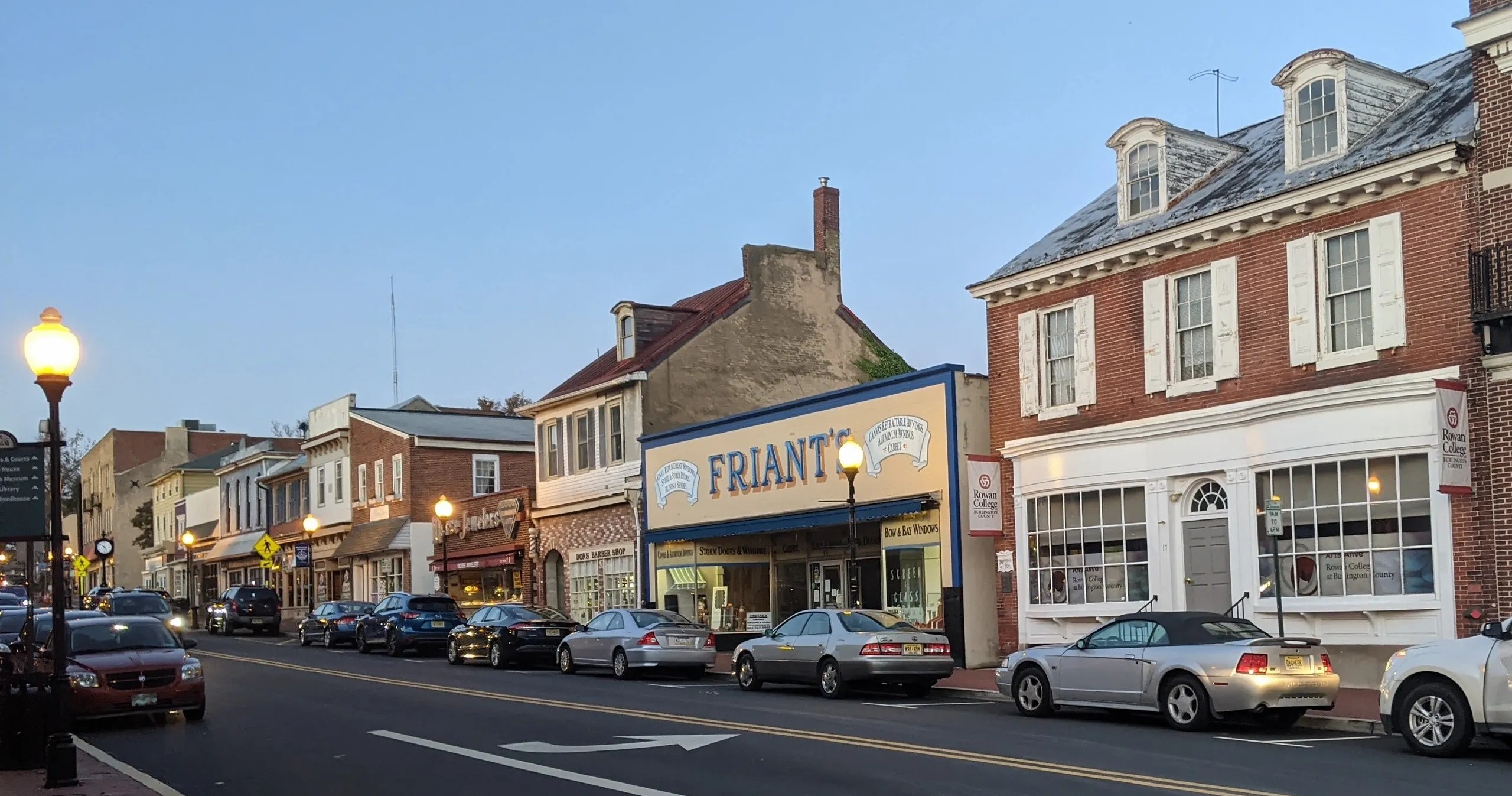
Wrightstown sits at a gentle intersection of rural New Jersey and the vast, whispering Pine Barrens. On foot, the place reveals itself slowly: a patchwork of low-slung houses with wide porches, the brown-tinged streams that carve the coastal plain, the flat, sandy soil where pitch pine and scrub oak flex under wind. Walking here is less about summit views and more about texture—the smell of cedar after rain, the hum of dragonflies above a roadside ditch, the quick flash of a warbler through alder.
A walking tour in Wrightstown feels like a local secret you learn by paying attention. Guided and self-guided routes lean into three themes: history, nature, and agricultural life. On a history-focused route you trace the town’s modest foothold in Burlington County—period homes, cemetery stones, and the slow, patient grid of streets laid down before modern sprawl. Nature-focused walks push the margin between village and Pine Barrens: boardwalks, sandy paths and shady lanes where the understory is low and the sky is wide. Agricultural-themed jaunts follow quiet back roads and dirt lanes that open onto cranberry bogs and small farms, offering seasonal color and the chance to learn about local crops and land stewardship.
The scale here is forgiving. Most tours are short loops or point-to-point walks between local landmarks, easily paired with a coffee stop or a picnic by a creek. That accessibility makes Wrightstown an appealing stopover for travelers exploring southern New Jersey: it’s a place to stretch legs, reset pace, and observe a landscape often overlooked by coastal visitors. For outdoor-minded travelers who like to mix a cultural stroll with birdwatching, foraging conversations, or a detour into nearby state forest tracks, Wrightstown functions as a quiet hub.
Practical considerations shape the experience: summers are humid with active insects, while spring and fall bring the most comfortable walking weather. The terrain is uncomplicated—paved sidewalks, gravel shoulders, and short sandy connectors—but some routes cross wetland fringes where waterproof shoes or gaiters are useful. Local guides and interpretive signs (where present) emphasize respect for private land and the fragile ecosystems of the Pine Barrens. Walkers who favor modest distances, attentive observation, and a blend of human history and living landscape will find Wrightstown’s walking tours quietly rewarding.
These walks pair well with complementary activities: birdwatching at dawn, a short kayak trip on nearby waterways, or a bicycle loop that extends the route into neighboring towns.
Seasonality changes the texture: spring offers wildflower edges and migrating songbirds; summer fills the skies with dragonflies and late sunsets; fall brings longer views and crisp air ideal for longer strolls.
The harbor is the gateway, and the Pacific becomes the classroom.
Because many routes slip into sensitive habitats or cross private lanes, guided tours and local maps are especially helpful for first-time visitors.
Choose by purpose
Whale watching, snorkeling, sunset sailing, cultural canoeing, harbor sightseeing, or private chartering.
Start near the city
Waikiki and Honolulu Harbor are primary hubs, with some trips launching near Hanauma Bay.
Confirm the vessel
Gangways, shaded seating, and boarding requirements vary according to vessel size and operator.