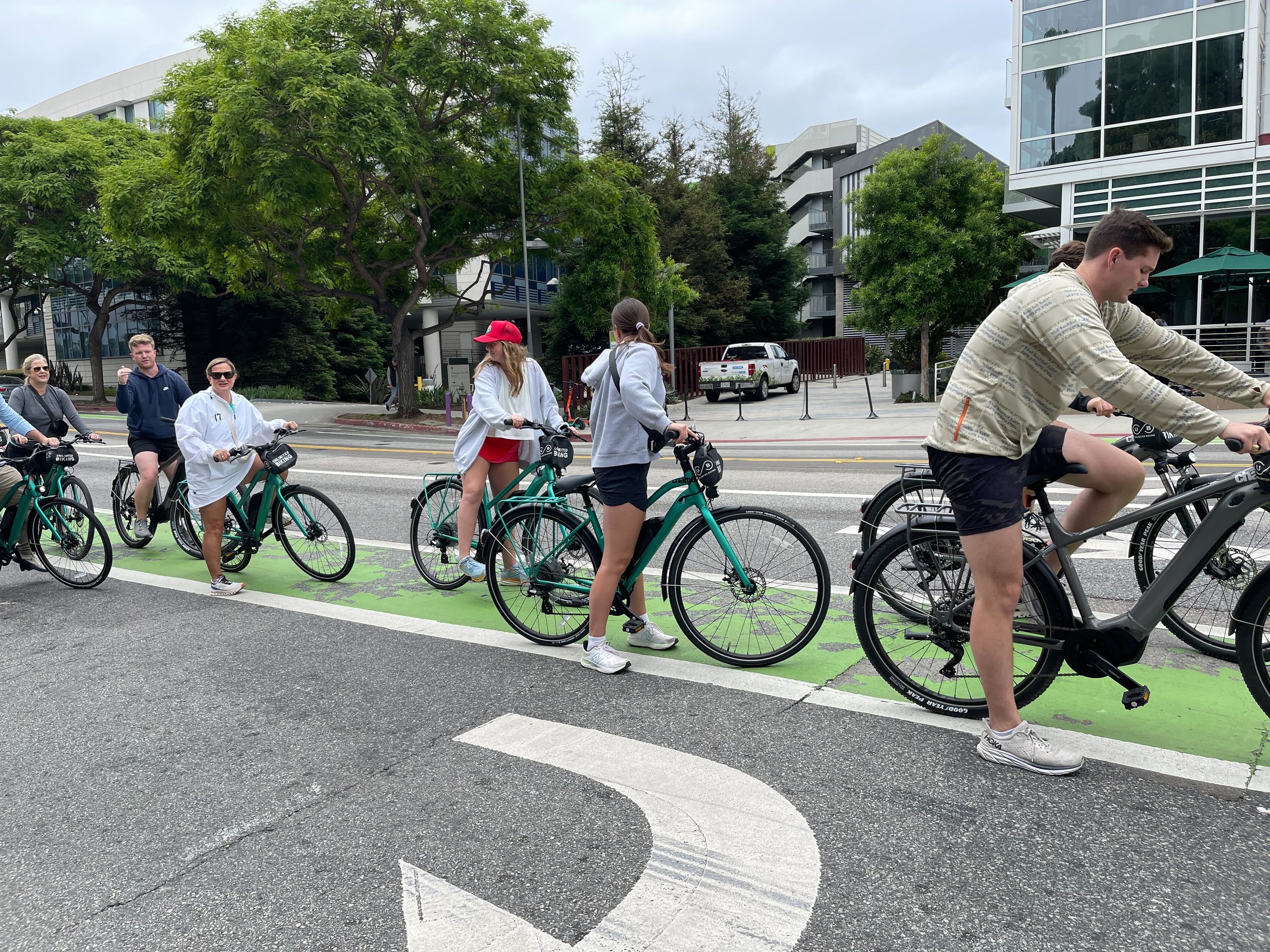
E-Biking Woodland Hills, California: Trails, Rides & Practical Planning
Woodland Hills sits at the edge of the Santa Monica Mountains where urban valleys meet coastal chaparral, and that sharp edge makes it an ideal base for e-bike exploration. From mellow paved greenways that meander through suburban neighborhoods to fire roads and short singletrack that climb into oak-studded ridgelines, E-bikes unlock more distance and elevation with less sweat. This guide focuses on how to plan trips from Woodland Hills—route choices, battery and gear strategies, seasonality, regulatory considerations, and complementary activities—so you can ride smarter and experience the region’s light-filled canyons, sweeping coastal views, and tucked-away natural refuges.
Top E-Bike Trips in Woodland Hills
18 trips • Book with confidence • Instant confirmation
Why Woodland Hills Works for E-Biking
Positioned where the broad Los Angeles Basin meets the first sweep of coastal mountains, Woodland Hills is an unusual e-bike playground: it offers short, intense climbs and wide, forgiving flats in quick succession. The landscape here—steep chaparral ridges, oak-lined canyons, and long residential greenways—rewards the electric boost. An E-bike alters the local calculus: routes that once felt like all-climb commutes become approachable loop rides; midday desert-heat concerns are mitigated by faster transitions between shaded canyons and cool coastal overlooks; and riders can collect diverse micro-ecosystems in a single outing, from dry, aromatic manzanita slopes to riparian creek corridors.
Beyond terrain, Woodland Hills is a practical base. The neighborhood grid feeds directly to multiuse trails and access roads that lead inland toward Topanga and north into the Simi Hills. Mulholland Drive and adjacent service roads offer sustained elevation gain and vantage points that reward a modest motorized assist. For urban riders, Woodland Hills’s quieter side streets and dedicated bike lanes create comfortable warm-up segments before you commit to steeper dirt or gravel surfaces. The proximity to Los Angeles cultural hubs means a ride can end with a café stop, a farmers’ market detour, or an easy link to nearby outdoor activities—hiking, traditional mountain biking, rock climbing, and birdwatching—making each e-bike outing part of a larger day of exploration.
Environmental context matters: the region has a Mediterranean climate—hot, dry summers and cool, wet winters—so planning around heat and storm seasons will determine whether you prioritize early-morning starts or waterproof gear. Fire management and trail closures are occasional realities; many open-space areas post temporary restrictions, so check official park and preserve pages before you go. E-bike regulations are still evolving across California parks, and local land managers often differentiate between Class 1 (pedal-assist) e-bikes and throttle-enabled models—where rules exist, Class 1 is more widely permitted on fire roads and many hard-packed singletrack connectors. Practically, that means your choice of bike affects the routes you can legally and respectfully ride.
Finally, Woodland Hills invites an exploratory mindset. Short, repeatable loops are perfect for learning battery management and ride pacing, while multi-canyon routes let you string together quiet residential stretches, renovated reservoir paths, and wildland corridors for longer days. E-bikes democratize access—for older riders, families with teens, or mixed-ability groups—so you can focus less on the grind and more on the landscape, light, and small natural dramas of southern California’s coastal mountains.
E-biking here is about adaptability: choose a short greenway cruise when the heat spikes or dial in a longer ridge-run when marine layer mornings keep temperatures mild. The region’s short climbs make electric assist especially efficient—batteries conserve on long flats and release power where you need it most.
Because many local routes are shared-use, etiquette matters. Yield to hikers, announce passes, and lock your bike when you pause at trailheads or neighborhood stops. The best rides combine a little singletrack, a stretch of fire road, and a paved connector—each surface offering a different pace and set of views.
Best Time to Visit
Best Months
Weather Notes
Spring and fall deliver the most comfortable temperatures and the clearest light. Summer rides are best early in the morning to avoid high temperatures; winter can bring wet, slippery trails after storms and occasional closures for erosion control.
Peak Season
Spring wildflower bloom and autumn shoulder months see the most local riding activity, especially on weekends.
Off-Season Opportunities
Winter weekdays offer solitude and dramatic low-light vistas after storm systems clear; pack waterproof layers and check for temporary trail closures.
Frequently Asked Questions
Are e-bikes allowed on local trails?
Regulations vary by landowner. Many fire roads and paved multiuse paths in the Santa Monica Mountains and surrounding preserves allow Class 1 pedal-assist e-bikes, but some singletrack and sensitive natural areas restrict e-bikes. Check official preserve or park rules before you ride.
Do I need a special license or permit to ride an e-bike here?
No license is required for e-bikes on public roads and most paved paths, but specific park permits or parking fees may apply at certain trailheads or state parks—confirm with the park's website.
Where can I rent an e-bike near Woodland Hills?
Local outfitters and rental services in the greater San Fernando Valley and Westside Los Angeles offer e-bike rentals. Availability varies seasonally; search current listings and reserve in advance for weekends.
Choose Your Experience Level
Beginner
Short, low-traffic paved loops and neighborhood greenways perfect for learning e-bike controls, practicing battery management, and building confidence.
- Neighborhood greenway loop with short park stops
- Paved reservoir or canal path rides
- Gentle paved climbs with plenty of places to rest
Intermediate
Mixed-surface rides combining compact dirt fire roads, paved connectors, and moderate climbs that test battery strategy without demanding technical skills.
- Fire-road ascents into oak-studded canyons with ridge returns
- Longer valley-to-ridge circuits linking preserves
- Mixed urban-to-wildland loops with short singletrack connectors
Advanced
Longer distance, sustained elevation gain, and technical singletrack segments—suitable for experienced riders on appropriate Class-rated e-bikes and with robust battery management.
- All-day multi-canyon traverses with steep climbs and descents
- Technical singletrack loops accessed via long service-road approaches
- High-mileage ridge rides linking multiple trail systems
Insider Tips & Local Knowledge
Check route permissions, carry redundant charging options, and ride with courtesy—Woodland Hills routes are shared with walkers, equestrians, and non-motorized cyclists.
Start early to catch cool mornings and clearer air; the marine layer can make sunrise rides atmospheric and comfortable. Conserve battery power by shifting to eco or low-assist on flats and saving high-assist for climbs—this extends range and keeps options open for exploratory detours. Lock your e-bike when stopping in neighborhoods or at busy trailheads; high-value batteries are a theft target. Respect posted signs: when a preserve restricts e-bikes to Class 1, bringing a different class can result in fines and strained access for all riders. Plan routes that mix surfaces so you can bail easily to paved connectors if trails become technical or closed. Finally, pair a riding day with a post-ride stop—local coffee shops, markets, or a short hike—so the outing feels complete and supports the communities that steward these access points.
What to Bring
Essential
- Helmet (required by law for minors; strongly recommended for all riders)
- Fully charged e-bike battery and a spare if available
- Hydration (2+ liters for warmer months) and electrolyte snacks
- Basic multi-tool and a mini-pump or CO2 inflator
- Phone with maps, ID, and a method to lock your bike
- Patch kit or spare tube compatible with your tires
- Sun protection (sunscreen, sunglasses) and light gloves
Recommended
- Padded cycling shorts or chamois for longer rides
- Lightweight wind or rain shell for coastal mornings or sudden showers
- Portable battery pack for phone or lights
- Compact lock for quick stops
- Reflective vest or lights for low-light sections
Optional
- Small binoculars for birdwatching in riparian canyons
- Camera for coastal and canyon vistas
- Sandwich or compact picnic for longer day loops
- Tire sealant for tubeless setups on gravel or dirt sections
Ready for Your E-Bike Adventure?
Browse 18 verified trips in Woodland Hills with instant booking
Explore Top 15 Woodland Hills, California Adventures →