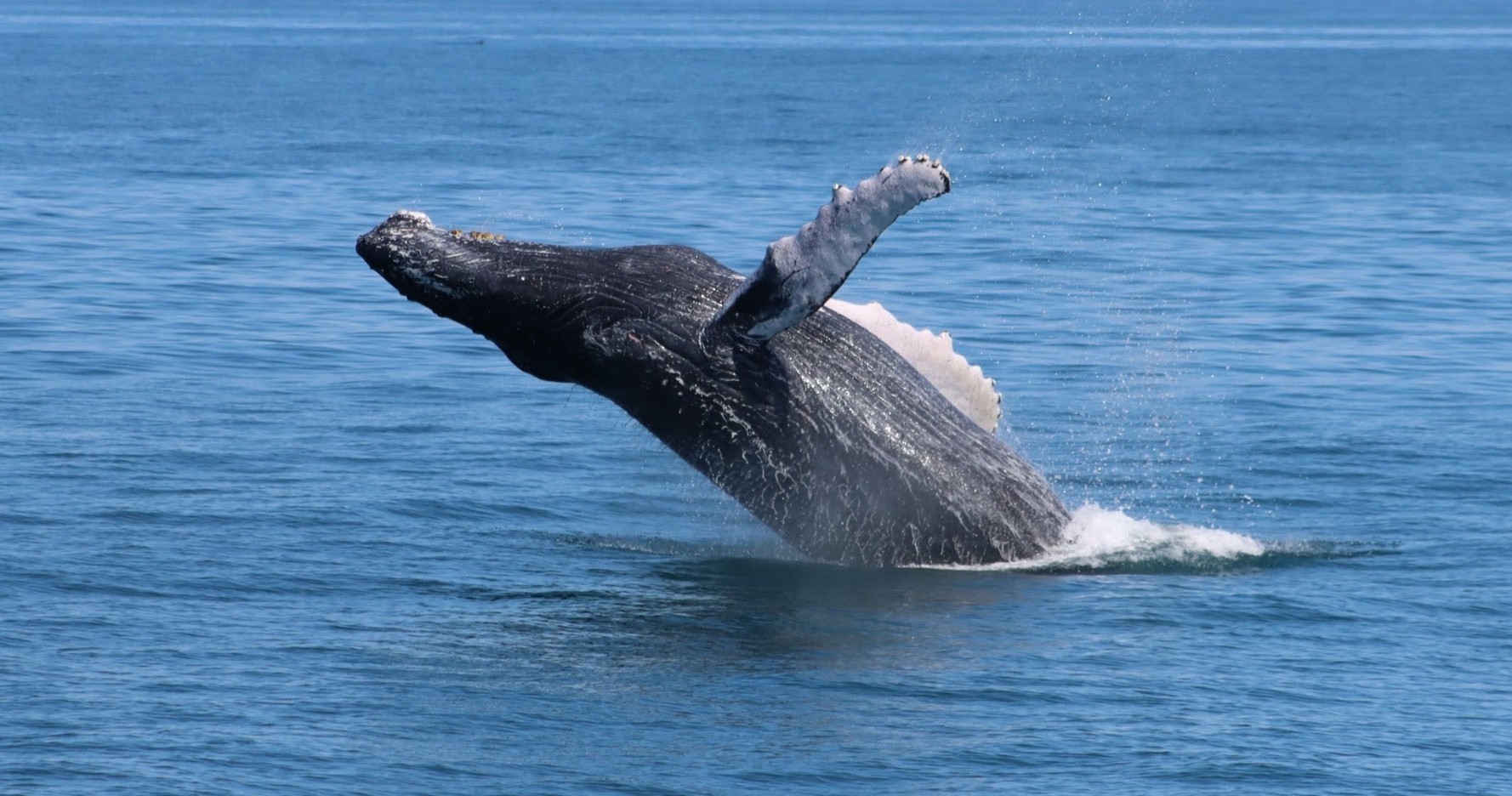
Dolphin Watching & Encounters in Woodbine, New Jersey

Woodbine, New Jersey

Where marsh creeks meet the wide mouth of the Delaware Bay and the Atlantic rolls in just down the coast, Woodbine serves as an understated launching point for seasonal dolphin encounters. The region’s mix of shallow bays, tidal channels, and nearshore Atlantic waters attracts bottlenose dolphins during warmer months and gives visitors a chance to watch them forage, travel in family groups, and ride the bow wake. This guide focuses on dolphin-centered adventures that are practical to plan from Woodbine—boat trips, shore and jetty watches, and mindful paddle outings—and pairs each experience with weather, terrain, and logistics considerations to help you get out on the water respectfully and comfortably.

4
Activities
Late spring–early fall
Best Months

Top Dolphin Trips in Woodbine

4 trips • Book with confidence • Instant confirmation

Why Woodbine Is a Worthwhile Base for Dolphin Experiences

There’s a particular hush that falls over a bay at first light: a low tide exposes mudflats and channels, the marsh grass blurs into reeds, and distant gulls stitch the horizon. In that quiet, the signature arcs of dorsal fins and the quick, rhythmic surfacing of bottlenose dolphins feel almost like a private reveal. Woodbine’s geography—where tidal marsh meets wider estuary and the Atlantic corridor hums offshore—creates mosaic habitats that concentrate baitfish and make efficient feeding zones for dolphins. For travelers who want the marine-wildlife thrill without the bustle of larger coastal hubs, Woodbine offers an unpretentious entry point: short drives to launch sites, modest marina infrastructure, and calm-channel days that make sightings more likely than in rough, open-ocean conditions.

Beyond the immediate spectacle, dolphin watching from Woodbine is an exercise in scales: the tidal cycles that govern clam flats and salt hay, the seasonal shifts that move schools of forage fish, and the human rhythms of recreational boating and commercial fishing. Understanding those patterns—when tidal currents tighten in narrow inlets, or when morning sea breezes calm the bay—improves the odds of an encounter and deepens the experience. This is not a destination for guaranteed, dramatic breaching shows; it’s a place to observe intelligent, social animals in transitional waters where they travel, feed, and care for young. Encounters here feel intimate because they often happen close to shore, from boats that move slowly or even from a kayak’s low vantage point.

The practical side matters: local weather and sea state strongly influence both safety and sighting probability. Summer brings the warm waters that concentrate baitfish and encourage dolphin activity, but it also brings afternoon onshore winds that can roughen waters. Early mornings or evening slack tides tend to be the most productive windows. Respectful viewing—keeping a comfortable distance, minimizing noisy approaches, and avoiding any attempt to feed or touch wildlife—keeps both dolphins and human visitors safe. For travelers, Woodbine pairs dolphin watching with complementary pursuits: salt-marsh birding, surf fishing, clam-digging traditions, and nearby Cape May’s wildlife observatories. The result is a layered coastal itinerary that rewards patience and curiosity: you come for the possibility of dolphins, and you leave having learned how a working estuary sustains them.

Woodbine’s sheltered waterways and nearby Atlantic approaches create predictable corridors where dolphins follow prey and tidal currents.

Encounters are typically calm and observational—look for bow-riding, surface feeding, and tight family groups rather than acrobatic open-ocean displays.

Dolphin watching pairs naturally with kayak tours, birding on the marsh, and coastal fishing outings—combine activities for a full-day experience.

Respect and local regulations matter: maintain distance, minimize disturbances, and follow guidelines from boat operators and wildlife authorities.

Activity focus: Dolphin watching & marine wildlife observation
Best viewed from small boats, calm nearshore waters, and low- to mid-tide channels
Common species: Bottlenose dolphin (Tursiops truncatus) in local waters
Seasonality: Most reliable late spring through early fall
Shore-based views possible but boat-based trips increase encounter odds

Best Time to Visit

Best Months

MayJuneJulyAugustSeptember

Weather Notes

Late spring through early fall offers the warmest nearshore waters and the calmest early-morning conditions. Afternoon sea breezes and occasional summer storms can make the bay choppier; check wind and swell forecasts before booking boat or paddle trips. Early mornings and slack tides generally give the best sighting opportunities and smoother water.

Peak Season

June–August

Off-Season Opportunities

Late fall and winter see fewer organized dolphin trips and reduced dolphin presence, but off-season visits offer solitude, lower rates for local services, and the chance to explore marsh birding and coastal landscapes without crowds.

Frequently Asked Questions

Do I need a boat to see dolphins near Woodbine?

Boat trips increase the odds of sightings because dolphins often occupy channels and nearshore waters that are difficult to view from shore, but careful watches from jetties or higher bluffs at dawn can produce sightings on calm days.

Are there designated dolphin-watching tours leaving from Woodbine?

Some local operators and nearby marinas run wildlife and dolphin-focused trips in season. Availability fluctuates—check local listings, marinas, and nearby coastal towns for current options.

How close can boats get to dolphins?

Guidelines and local regulations encourage maintaining a respectful distance and avoiding pursuit. Follow your operator’s rules: slow approaches, engines in neutral when animals are near, and no feeding or touching.

Is it safe to kayak near dolphins?

Kayaking can offer intimate viewing if you maintain respectful distance, avoid interrupting feeding groups, and paddle with a guide if you’re unfamiliar with local currents and tides.

Choose Your Experience Level

Beginner

Casual shore-based watching, short guided boat trips on calm days, and supervised kayak outings—minimal technical skills required.

  • Sunrise shore watch from a jetty or bluff
  • Short wildlife boat tour focused on estuary life
  • Half-day guided kayak with a wildlife emphasis

Intermediate

Longer boat trips into nearshore waters, self-guided kayak loops through tidal channels, and early-morning outings that require basic navigation and sea-awareness.

  • Three-hour nearshore dolphin cruise
  • Independent kayak excursion on slack tide
  • Photography-focused boat charter

Advanced

Extended offshore excursions, multi-activity marine trips combining fishing and wildlife observation, and solo paddles that require strong navigation, tide knowledge, and sea conditions experience.

  • Full-day nearshore/outer-shelf charter
  • Self-supported long-distance paddle with tide planning
  • Research-style observation trip coordinating with local naturalists

Insider Tips & Local Knowledge

Always verify tour schedules, launch access, and weather before heading out; maintain respectful distance from wildlife and follow operator guidance.

Book morning departures for calmer seas and better light. Check tide charts—the transition around slack tide often improves visibility because animals concentrate where currents funnel prey. If you're prone to seasickness, pre-treat before boarding and favor covered or mid-hull seating. Carry small bills for marina parking and support local outfitters when possible; operators provide useful local knowledge about currents and likely sighting zones. For photographers, a telephoto in the 200–400mm range covers most nearshore shots; bring polarized sunglasses to reduce glare. Above all, prioritize the animals’ space: quiet observation and slow approaches produce the best viewing opportunities and ensure dolphins remain wild and unconcerned by human presence.

What to Bring

Essential

  • Binoculars or a small spotting scope
  • Light layers and a windproof shell
  • Sun protection: hat, sunglasses, sunscreen
  • Reusable water bottle and snacks
  • Seasickness medication or preventative bands (if prone)

Recommended

  • Waterproof phone case or dry bag
  • Telephoto lens or compact camera with zoom
  • Light daypack with a small first-aid kit
  • Motion-control sunglasses for glare
  • Contact information for local boat operators or launch sites

Optional

  • Tide chart or app for planning slack-tide windows
  • Notebook for jotting sightings and behavior notes
  • Compact binocular harness for hands-free viewing

Ready for Your Dolphin Adventure?

Browse 4 verified trips in Woodbine with instant booking

Explore Top 15 Woodbine, New Jersey Adventures →