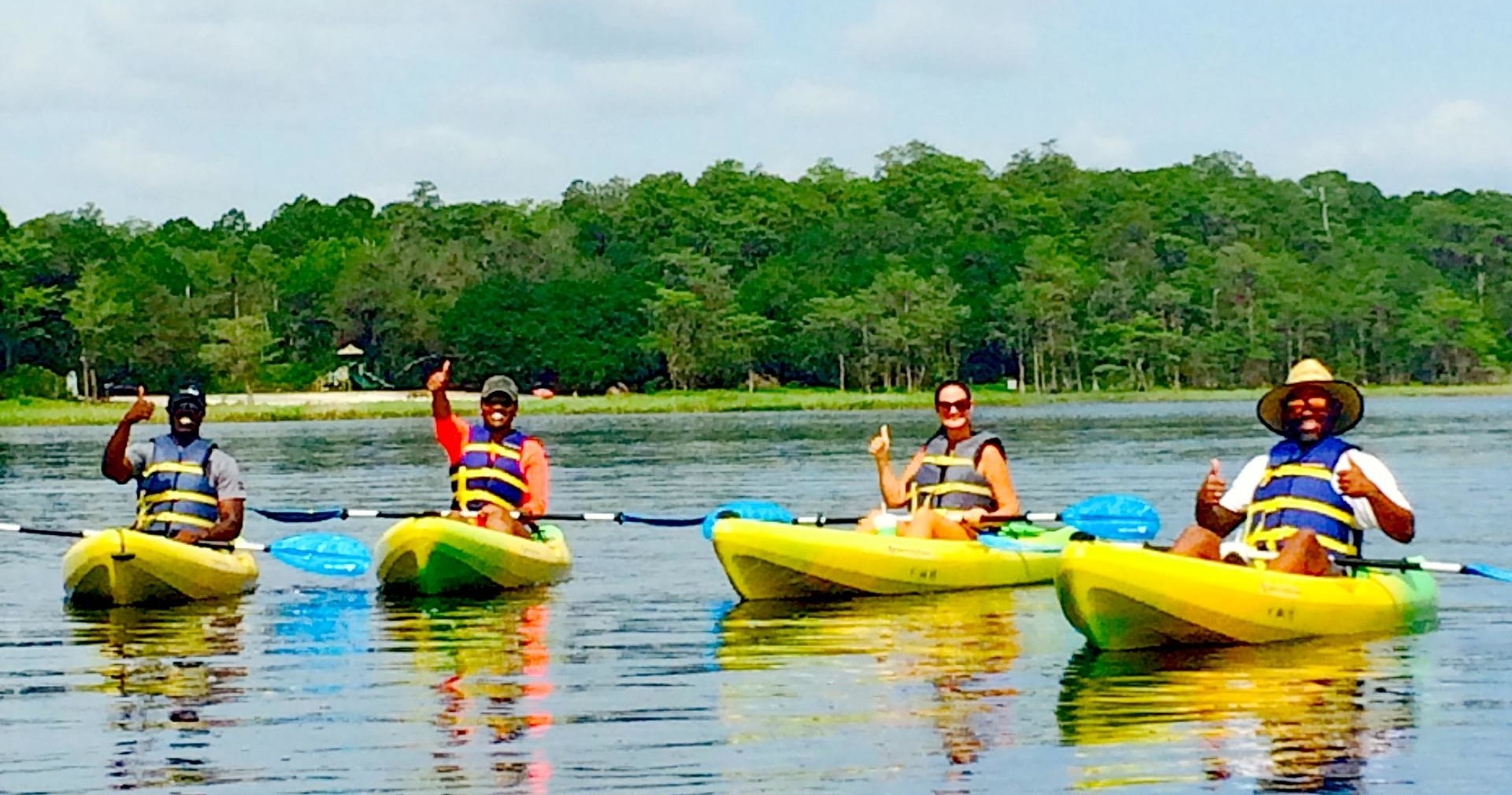
Winter Haven is not dramatic in the way a mountain lake or a coastal archipelago is dramatic. Its power is quieter: an interlaced system of freshwater bodies that reward those who move slowly and look closely. The city's Chain of Lakes—an urban web of broad basins, narrow channels, mangled cypress knees and sunny shorelines—creates a peculiar kind of intimacy between paddler and landscape. On a still morning you can slide past blue herons frozen like statues, see sunfish shimmer beneath clear shallows and watch the reflection of old live oaks fold and unfold as you make your wake. The lakes are placid; currents and tides do not dictate your route. Wind and weather do. That makes Winter Haven perfect for learners and for paddlers who want to string together a gentle exploration over several lakes in a single outing.
There is also a local history stitched into the shoreline: citrus groves once ringed the water, and decades-old boathouses testify to a long Florida tradition of lakefront recreation. Kayaking here feels partly like a continuation of that history—simple, social, and outdoors-first. The physical terrain is mostly flat and shallow; reefs and submerged hazards are rare compared to coastal surf, but submerged stumps, shallow shoals and changing water clarity demand attentive paddling. Because many lakes are connected by short canals and occasional public launch points, you can build loop trips that remain sheltered from wind or, conversely, intentionally cross open basins on a breezy afternoon for a workout.
Ecologically, Winter Haven's lakes are a microhabitat stage. Wading birds, kingfishers, turtles and an array of fish species are common, while deeper aquatic vegetation can create scenic channels and wildlife corridors that feel remote despite being minutes from town. Spring-fed tributaries and clearer feeder ponds occasionally punctuate the chain, offering pockets of clearer water and cooler microclimates. For photographers and naturalists, this is a generous place: light is soft at dawn and late afternoon, and shorelines frequently shift with seasons and rainfall.
From a planning perspective, Winter Haven is forgiving. There are multiple public ramps and outfitters nearby, calm water options for beginners, and longer link-ups for people who want to cover distance without leaving the flatwater comfort zone. The climate lets you paddle most of the year; heat, afternoon thunderstorms in summer, and occasional cold snaps are the main weather notes to factor into timing and clothing choices. In short: Winter Haven is a low-barrier, high-reward paddling destination—quietly sociable and quietly wild, ideal for anyone who prefers the rhythm of a kayak to the roar of a motor.
The interconnectivity of the lakes allows for flexible trip planning: pick a sheltered morning route for wildlife watching or challenge yourself with longer crossings in the afternoon breeze.
Nearby springs, parks, and urban greenways make it simple to combine kayaking with biking, birding, or a lakeside picnic. Local outfitters offer rentals and guided tours for those who prefer a turnkey experience.
Choose by purpose
Whale watching, snorkeling, sunset sailing, cultural canoeing, harbor sightseeing, or private chartering.
Start near the city
Waikiki and Honolulu Harbor are primary hubs, with some trips launching near Hanauma Bay.
Confirm the vessel
Gangways, shaded seating, and boarding requirements vary according to vessel size and operator.