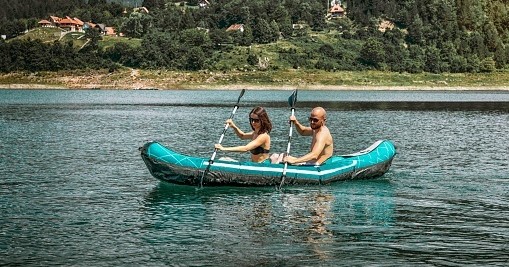
Westbrook’s appeal for paddlers is small-town simplicity layered over a surprising complexity of coastal environments. In a single morning you can push off from a municipal launch, thread a sea kayak through ribbon-like salt marsh channels, and return before lunch with salt on your eyelashes and a clear understanding of why New England tidal shorelines feel wild despite their proximity to highway bridges and summer cottages. The low, open marshes — part of the larger estuarine network feeding into the Connecticut River and Long Island Sound — create shallow, sheltered water ways that warm faster than offshore sea year-to-year, offering calm, reflective conditions ideal for learning strokes, watching birds, and practicing boat control.
Beyond the marsh, the Sound opens into a wider, wind- and tide-driven ecosystem. The contrast between protected estuary loops and the broader coastal crossings defines the best days here: glassy mornings favor scenic sightseeing and wildlife encounters, while breezier afternoons reward paddlers who read wind angles and tide windows. Westbrook Harbor is small but honest, a working harbor where recreational launches coexist with commercial boats, and nearby Hammonasset Beach State Park provides sandy launch options and memorable shoreline runs. That combination — shelter and exposure within a short paddle of one another — is the real selling point for paddlers who like variety: you can do a relaxed wildlife-focused paddle, combine a short open-water leg with beach time, or make a technically minded route that tests navigation, tide planning, and surf-launch skills.
Cultural and natural history also threads through the experience. Oyster flats, clamming grounds, and old stone walls glimpsed from the water recall centuries of human use, while tidal rhythms have shaped both community livelihood and local conservation priorities. Birdlife is prolific: marsh wrens, saltmarsh sparrows, osprey, and migrating shorebirds stage along the estuary in spring and autumn. Seals are frequent offshore visitors in cooler months. Local outfitters and guides base trips here precisely because Westbrook’s waters are forgiving yet instructive — they’re ideal for skill-building before pushing further to nearby shorelines and island clusters. Practical considerations—parking at public launches, paying attention to tide charts, checking for local closures and shellfish activities—are essential. But once you factor them into a plan, Westbrook reveals a compact coastal world that feels both approachable and richly layered, perfect for a day’s escape or a focused micro-adventure.
The estuaries and marsh channels make excellent sheltered paddling for beginners and wildlife-focused trips.
Open-water runs along Hammonasset and the outer Sound require planning around wind and tide; these are best for intermediate to advanced paddlers.
The harbor is the gateway, and the Pacific becomes the classroom.
Local oyster and clamming culture means paddlers should give working boats and marked flats a wide berth and respect seasonal closures.
Launch points are concentrated and accessible—Westbrook Town Beach and the public launch near the harbor are common starting points.
Combine a paddle with beach time, shorebird watching, or a guided tour that includes local history and ecology for a fuller day.
Choose by purpose
Whale watching, snorkeling, sunset sailing, cultural canoeing, harbor sightseeing, or private chartering.
Start near the city
Waikiki and Honolulu Harbor are primary hubs, with some trips launching near Hanauma Bay.
Confirm the vessel
Gangways, shaded seating, and boarding requirements vary according to vessel size and operator.