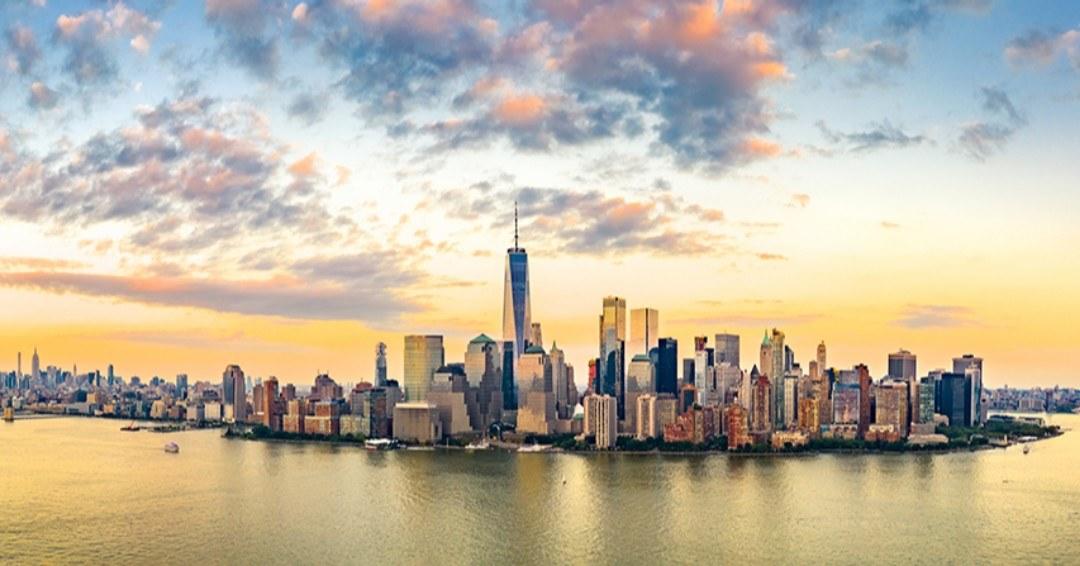
There’s a particular hush to dawn here in West Orange: a soft pull of air up from tree-lined ravines, the first light striking ridgelines of the Watchung Range, and a horizon that alternates between suburban rooftops and the distant steel geometry of New York City. That atmospheric mix—elevation that’s modest but significant, open farms and parks, and immediate access to urban infrastructure—makes West Orange both practical and poetic for air activities. Balloonists prize the gentle thermal shifts of early morning and late afternoon; helicopter and small-plane operators appreciate how short transit times to major airports meld with quiet local takeoff points; paragliders and paramotor pilots find ridgelines and thermals that reward thoughtful timing.
The town’s place at the edge of the metropolitan corridor is an advantage. You can climb into a landscape that reads as rural in one direction and metropolitan in another, so flights can be tailored to passengers who want pastoral panoramas or skyline drama. Historically, the area’s industrial and pioneering legacy—think laboratories, inventors, and transport networks—has given way to pockets of preserved green space where launches and landings are manageable. Watchung Reservation, South Mountain Reservation and municipal fields nearby provide the kind of ground infrastructure that supports safe, insured operations: open launch corridors, parking for support vehicles, and nearby roads for crew recovery.
Weather is the deciding factor here. New Jersey’s mid-Atlantic climate creates clear, stable mornings in spring and autumn that balloonists favor, while summer brings convective afternoons and more turbulent thermals. The same conditions that make for spectacular visual contrast—harsh light, long shadows, and seasonal foliage—also require a disciplined approach to planning. Operators, pilots and visitors in West Orange routinely build flexibility into itineraries: early departures, backup window days, and pre-flight briefings that translate atmospheric data into a concrete plan. That practicality is why many first-time flyers feel comfortable here—because the scene combines scenic reward with operational familiarity.
Practicality also extends to complementary experiences. Aerial trips often pair well with a ground itinerary centered on history and nature: a morning flight followed by a visit to Thomas Edison’s laboratory, or a late-afternoon tour that ends with a short hike on the ridgeline to watch the day cool. For travelers who want to expand beyond a single perspective, the area’s hiking, biking and river-oriented activities make excellent second acts. In short, West Orange’s air offerings aren’t just spectacle—they’re a way to stitch together a layered day of landscape, history and local flavor, all orchestrated by weather and thoughtful logistics.
The mix of ridgeline lift and nearby open fields creates consistent micro-conditions ideal for tethered balloon demo flights, paragliding launches on calm days, and controlled helicopter landings for sightseeing.
Because many operations are weather-dependent and limited in capacity, the best approach is flexible scheduling: book a window, plan ground activities around launch probability, and expect early-morning or late-afternoon flight times.
Choose by purpose
Whale watching, snorkeling, sunset sailing, cultural canoeing, harbor sightseeing, or private chartering.
Start near the city
Waikiki and Honolulu Harbor are primary hubs, with some trips launching near Hanauma Bay.
Confirm the vessel
Gangways, shaded seating, and boarding requirements vary according to vessel size and operator.