Wildlife Watching in West Bradenton, Florida
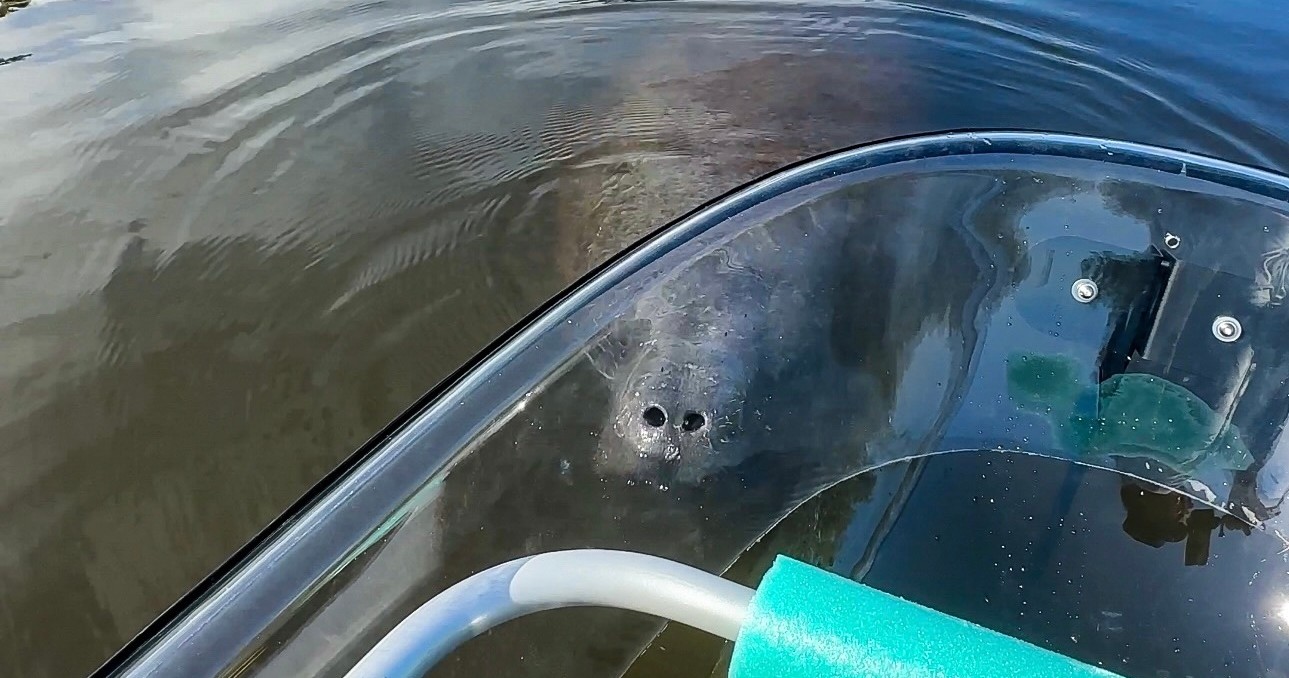
West Bradenton is a coastal mosaic where mangroves, shallow bays, and coastal hammocks converge to create extraordinary wildlife encounters. Expect dolphin bow-riding in sunlit channels, manatees grazing in seagrass meadows, wading birds slipping through tidal flats, and shorebird migrations that paint the shoreline each spring and fall. This guide focuses exclusively on wildlife experiences—how to see them, when to go, and how to plan responsible outings that protect fragile habitats.
Top Wildlife Trips in West Bradenton
32 trips • Book with confidence • Instant confirmation
Why West Bradenton Is a Standout Place to Watch Wildlife
West Bradenton occupies a quiet corner of the Gulf Coast where shallow bays, tidal flats, and mangrove thickets create an intimacy with wildlife that larger coastal cities rarely offer. The shallow, warm waters of Palma Sola Bay and adjacent estuaries are living nurseries: seagrass beds feed manatees and juvenile fish, while mudflats and exposed sandbars draw flocks of herons, egrets, and migratory shorebirds. Because the water is shallow and the coast gently sloping, you don’t need a big boat or a long offshore run to find active wildlife—paddle a kayak at dawn or join a small-boat guide and you’ll often find dolphins weaving between mangrove roots and gulls working the surf.
The ecological diversity here is subtle but profound. Mangroves serve as both nursery and shelter, their tangled roots hosting small crustaceans and juvenile reef fish that feed larger predators. Seagrass meadows—often overlooked—are essential carbon sinks and feeding grounds for West Indian manatees that return to these bays especially in cooler months. Along the shoreline, salt marshes and coastal hammocks support a different cast: ospreys and kestrels hunting over open water, limpkins and rails moving furtively through the marsh grasses, and migratory warblers dropping in during spring and fall stopovers.
Seasonality reshapes the experience without shutting it down. Winter months bring clearer skies, calmer seas, and a concentration of manatees and wintering waterfowl, making guided boat tours and shoreline walks particularly rewarding. Spring and fall bring migration pulses—shorebirds and passerines moving through on their long-distance routes—while summer floods the estuary with juvenile life: fish, crabs, and turtles become more visible, and nighttime events like sea turtle nesting and hatchling runs occur a little farther along the coast. That variety means West Bradenton is not a single snapshot of wildlife but a slow-motion film where different scenes take the lead through the year.
Beyond the animals, the human side of wildlife watching here is quietly active and conservation-minded. Local preserves, volunteer groups, and guide services prioritize low-impact viewing: keeping distance, avoiding sensitive nesting areas, and educating visitors about tides, breeding seasons, and habitat vulnerability. For travelers, that means wildlife experiences that feel immediate and authentic, but that also come with a clear set of ethical practices. Whether you’re a birdwatcher with a checklist, a family seeking curious dolphins, or a solo paddler hungry for close-up nature, West Bradenton offers accessible and varied wildlife encounters—provided you plan around tides, seasons, and local guidelines.
Habitat variety is the draw: mangroves, seagrass flats, salt marshes, and barrier beaches are all within short drives or paddles of each other.
Low-tide windows, dawn/dusk light, and seasonal migrations heavily influence what you’ll see—planning by tide and time of day boosts success.
Best Time to Visit
Best Months
Weather Notes
Winters are mild and often ideal for comfortable boat and shore outings; summers are warm, humid, and bring afternoon thunderstorms—plan water activities for early morning. Tidal cycles and seasonal migrations shape viewing windows more than temperature alone.
Peak Season
Late fall through early spring (November–April) for manatees, wintering waterfowl, and calmer boating conditions.
Off-Season Opportunities
Summer offers sea turtle nesting (May–October) along the Gulf coast, abundant juvenile fish in seagrass beds, and quieter trails—expect heat, mosquitos, and afternoon storms.
Frequently Asked Questions
Do I need permits for wildlife viewing or paddling?
Most short paddles and shoreline walks do not require permits, but some preserves or guided tours may require reservations or entry fees. For overnight camping or launches in managed preserves, check local management websites for permit rules.
Where are the best places to see manatees and dolphins?
Shallow seagrass bays and river mouths are prime spots—visits at low wind and cooler water temperatures increase sighting chances. Guided small-boat or kayak tours commonly find dolphins in channels and bay mouths.
Is wildlife watching family-friendly?
Yes. Many experiences are suitable for families when planned for shorter durations and earlier in the day. Choose calm-water guided paddles or short coastal walks rather than long offshore trips.
Choose Your Experience Level
Beginner
Accessible shore walks, short guided boat tours, and calm-water kayak trips that require minimal gear and no advanced skills.
- Guided dolphin-and-sunset bay cruise
- Short shoreline birding walk at a coastal preserve
- Introductory kayak tour through a mangrove creek
Intermediate
Half-day paddles, independent birding by bike or foot, guided snorkeling in shallow seagrass habitats; requires basic navigation, tide awareness, and comfortable water skills.
- Half-day kayak around estuarine flats at outgoing tide
- Self-guided shorebird surveys during migration
- Snorkel exploration of shallow seagrass meadows
Advanced
Multi-hour back-bay paddles, nocturnal turtle walks with trained guides, or independent coastal expeditions that demand strong paddling skills, tide and weather planning, and wilderness first-aid readiness.
- Long coastal paddle to remote sandbars at low tide
- Guided night patrols for sea turtle nesting (permit or volunteer-led)
- Independent birding and photo expeditions across multiple preserves in a single day
Insider Tips & Local Knowledge
Plan by tide and time of day; follow local guidelines for sensitive sites; consider hiring a local guide for first visits.
Time your outings around low tide for the clearest views of foraging shorebirds and exposed flats; dawn and dusk are the most active wildlife windows. Use polarized sunglasses to reduce glare and reveal fish and seagrass below the surface. Keep a respectful distance—binoculars and long lenses let you see detail without disturbing animals. During sea turtle season, never use flash photography or artificial lights near nesting beaches and follow volunteer or park instructions. Mosquitoes can be significant in summer and at dusk—pack repellent and long sleeves. If paddling, check wind forecasts and tide tables and carry a VHF or cellphone in a waterproof case. Finally, support local conservation groups and licensed guides who invest in habitat protection and responsible viewing practices.
What to Bring
Essential
- Binoculars (8x–10x) or a compact spotting scope
- Lightweight rain shell and sun protection (hat, sunglasses)
- Reusable water bottle and high-energy snacks
- Waterproof dry bag for electronics
- Insect repellent (DEET or picaridin) and reef-safe sunscreen
Recommended
- Telephoto lens or long zoom for shorebird and dolphin photos
- Polarized sunglasses for spotting into shallow water
- Packable waterproof jacket and quick-dry clothing
- Water shoes or sandals with a secure strap for mangrove flats
Optional
- Snorkel mask for shallow seagrass exploration
- Lightweight spotting scope for distant waders
- Field guide for Gulf Coast birds and marine wildlife
- Headlamp for guided night walks during turtle season
Ready for Your Wildlife Adventure?
Browse 32 verified trips in West Bradenton with instant booking
Explore Top 15 West Bradenton, Florida Adventures →