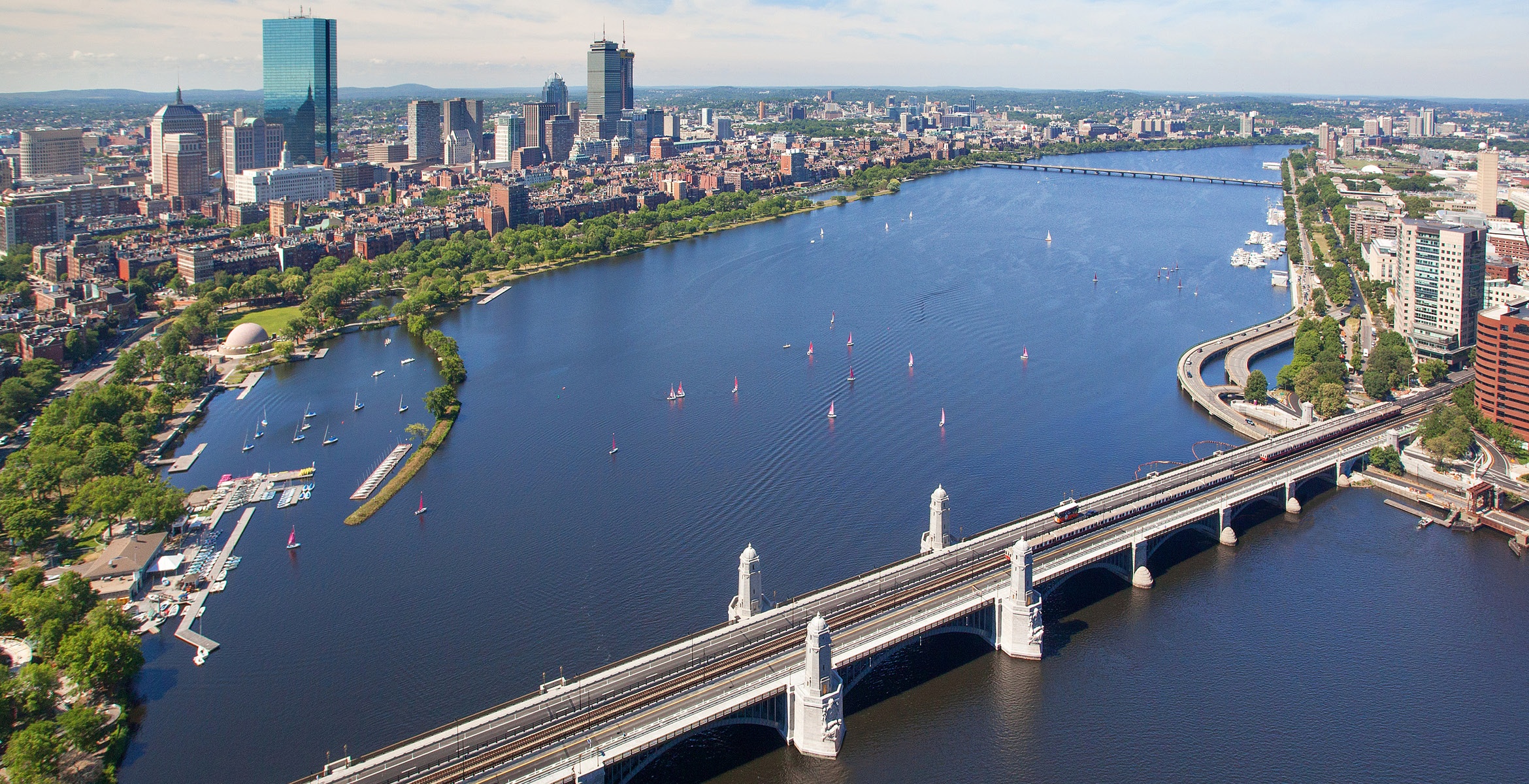
Photography Tours in Wayland, Massachusetts
A compact canvas of waterways, orchards, colonial architecture, and conserved meadows, Wayland offers photography tours that emphasize light, texture, and seasonal color. Ideal for intimate landscape sessions, morning mist over rivers, and close-range nature work, the town's accessible greenspaces make it a practical base for both quick field shoots and guided half-day outings.
Top Photography Tour Trips in Wayland
8 trips • Book with confidence • Instant confirmation
Why Wayland Works for Photography Tours
Wayland is the kind of small New England town that reveals its photographic personality slowly — in the quiet geometry of a colonial farmhouse, the way reeds catch the light at the edge of a kettle pond at dawn, and in the low, glassy surface of the Sudbury and Assabet corridors that thread through its conserved land. What the town lacks in vast alpine panoramas it makes up for in tactile, intimate scenes: rippled reflections, weathered clapboard, patchwork hayfields, and late-season golden light that compresses the landscape into layered frames.
For photographers, that compression is an asset. Wayland’s accessible network of parks and trails concentrates subjects into short walks from roadside pullouts or small parking areas, so itineraries can be built around light and mood rather than long approaches. A morning tour might begin at Lake Cochituate before moving to a riverside marsh for macro work on dew-heavy spiderwebs and cattails; an afternoon outing could favor old stone walls, apple orchards, and the architectural details of a town common. Because many of the best vantage points are privately conserved or municipal green spaces, tours here tend to be small, interpretive, and less equipment-heavy than backcountry expeditions — an advantage for photographers who want to focus on composition, lens choice, and light control.
Seasonality shapes everything. Spring brings high-contrast water scenes, migrating songbirds, and the first macroscopic textures of new leaves. Summer pushes green saturation and long golden hours for late-evening portraits and reflective water work. Fall is the marquee season: short windows of saturated foliage, foggy mornings that cling to low-lying wetlands, and crisp, directional light that lifts detail and color. Winters deliver their own aesthetic — ice patterns, skeletal branches, and low-key palettes — but also require more planning around access and warmth for both human and camera gear.
Tours in Wayland often pair photographic instruction with access to local naturalists or guides who know the seasonal rhythms of water levels, bird movements, and the best vantage points for reflections and sunsets. That combination of local knowledge and compact geography makes Wayland an efficient place to learn technical skills — exposure control for reflective surfaces, use of polarizers and graduated filters, working with off-camera flash for architectural detail — while collecting a varied portfolio in a single day. For anyone building a body of work that favors intimate landscapes, New England vernacular architecture, or contemplative nature studies, Wayland's quiet lanes and conserved meadows provide a high-return landscape without long drives or remote logistics.
Compact and walkable: Most notable photo sites in Wayland are short walks from parking, so tours can pivot with changing light.
Diverse subject matter: water reflections, orchards, stone walls, and small-town architecture allow rapid variety in a single outing.
Local partnerships amplify access: conservation organizations and experienced guides help locate ephemeral subjects like migrating birds or morning fog.
Best Time to Visit
Best Months
Weather Notes
Spring and fall offer the most reliable atmospheric conditions for moody landscapes and migrating birds. Summer produces long golden hours but can be humid; winter provides low-angle light and textural ice scenes but requires cold-weather precautions.
Peak Season
October for peak fall color and crisp mornings.
Off-Season Opportunities
Late-winter clear days can produce crystalline ice patterns and spare, high-contrast scenes; weekdays in shoulder seasons offer the quietest shooting conditions.
Frequently Asked Questions
Do I need permits to photograph on Wayland conservation land?
Most municipal and conserved parcels allow casual photography for personal use; however, check with land managers if you plan commercial shoots, tripods in sensitive areas, or group workshops. Guided tours typically handle permissions when necessary.
Are guided photography tours suitable for beginners?
Yes. Tours range from beginner-friendly composition and camera-settings sessions to advanced technical workshops focused on long exposures and advanced post-processing.
What wildlife can I expect to find on a photography tour?
Expect common New England species: waterfowl, songbirds, and wetland edge mammals. Exact encounters vary by season — spring and migration windows are best for bird activity.
Choose Your Experience Level
Beginner
Short, guided shoots focused on composition, basic exposure control, and using available light in accessible locations.
- Sunrise reflections at Lake Cochituate
- Town center architectural walk for detail studies
- Beginner macro session on meadow plants
Intermediate
Half-day tours that layer technical instruction — filters, slow shutter water techniques, and portrait use of natural light — with scouting multiple sites.
- Golden-hour riverside session with graduated ND practice
- Orchard and stone wall walks for texture-rich compositions
- Birding-focused session using mid-range telephoto lenses
Advanced
Full-day or multi-session workshops emphasizing advanced techniques: long-exposure water motion, focus stacking, low-light and dusk transitions, and thematic series work.
- Long-exposure marsh and reed studies at dusk
- Nightscape planning near darker regional sites (requires a short drive)
- Architectural detail series with off-camera lighting
Insider Tips & Local Knowledge
Respect conservation rules and private property; keep group sizes small near sensitive habitats.
Start shoots at least 30–45 minutes before sunrise or plan to stay after sunset to catch the full range of light. Mornings often deliver low fog along river corridors in spring and fall — arrive early and move quietly to maximize those conditions. Use a polarizer to cut glare on rivers and accentuate foliage color, and bracket exposures when shooting reflective water near bright skies. In winter, bring extra batteries and a protective sleeve for your tripod to keep metal parts from freezing. For astrophotography, Wayland is suburban; scout darker sites a short drive away or plan sessions on clear, new-moon nights for the best results. Finally, connect with local guides or conservation organizations — they can point you to ephemeral spots (early-blooming fields, recently exposed shorelines after drawdowns) that photographers prize but casual visitors miss.
What to Bring
Essential
- Camera body and at least one versatile prime or zoom (24–70mm equivalent recommended)
- Sturdy travel tripod (lightweight if hiking between sites)
- Polarizing filter and a neutral-density filter for water motion
- Extra batteries and multiple memory cards (cold drains batteries faster)
- Weather-proof camera bag and quick-dry clothing layers
Recommended
- Telephoto lens (100–400mm or 70–200mm) for birds and distant details
- Macro or close-focusing lens for plant textures and insect work
- Lens cloths and silica packs for dew and mist-prone mornings
- Compact stool or ground pad for low-angle compositions
- Hand warmers for winter shoots
Optional
- Small LED or flash for fill light on architectural details
- Polarized sunglasses to scout reflections
- Lightweight waders or waterproof boots for marsh edges (check local access rules)
- Field guide or app for seasonal species identification
Ready for Your Photography Tour Adventure?
Browse 8 verified trips in Wayland with instant booking
Explore Top 15 Wayland, Massachusetts Adventures →