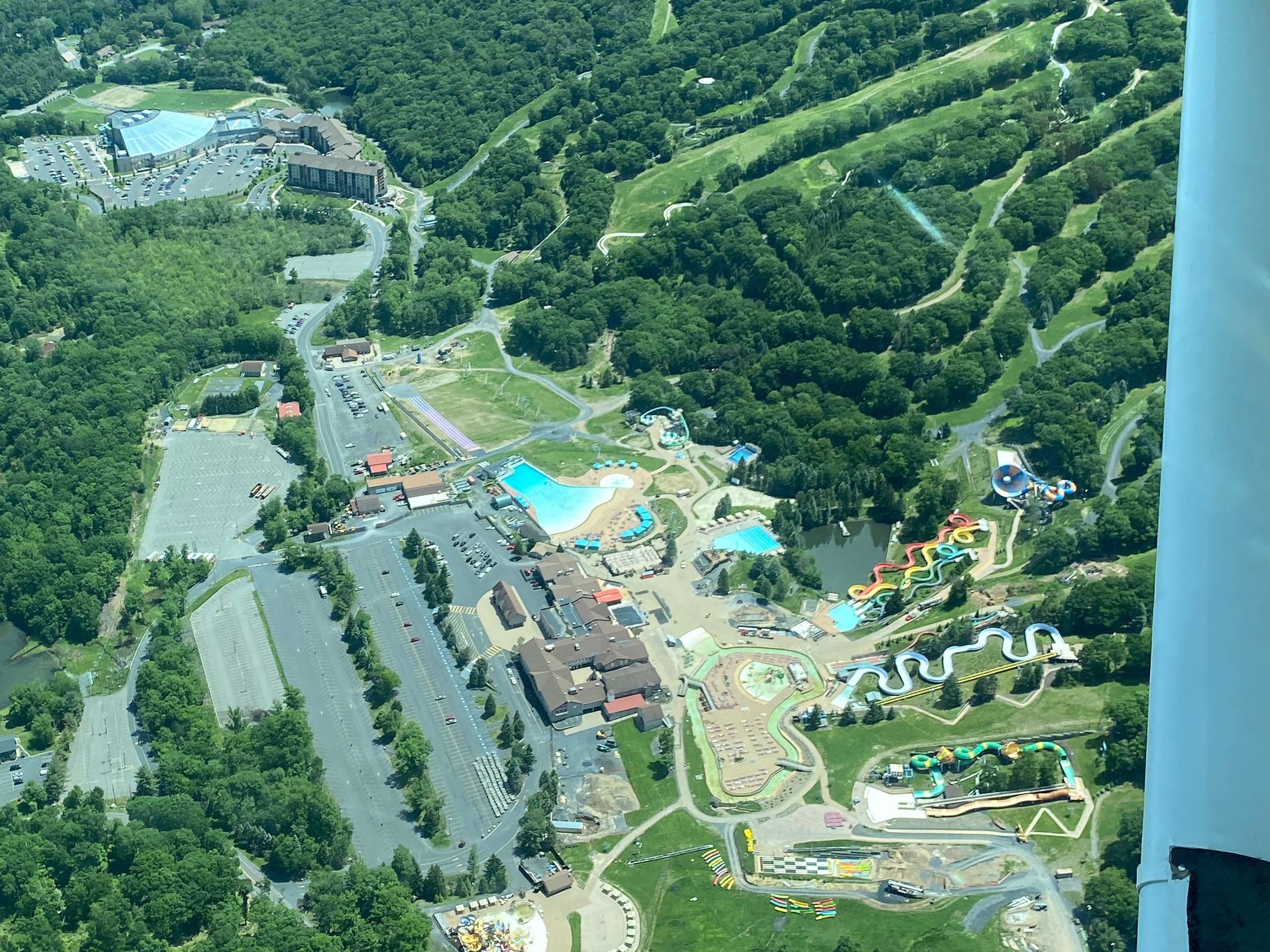
The best small-air experiences do more than deliver views; they reframe how you understand a landscape. From the seat of a light airplane or the open door of a helicopter, Washington, New Jersey, reads like a layered map of geology, industry, and quiet rural life. Fields quilt the valleys where 18th- and 19th-century farms still operate; tree-lined ridges mark old watershed divides; and the ribbon of the Delaware River cuts a deep, glinting corridor that anchors the region. An air tour turns these elements into a narrative you can follow with your eyes — the seams of ridgelines, the sharp angles of old railbeds, the broad sweep of preserved lands such as state parks and wildlife management areas. For a traveler who wants both orientation and intimacy with place, a short flight is an economical way to compress a day-long drive into a single hour of perspective.
Operationally, Washington serves as a useful staging point because it sits near varied terrain without the congestion of metro-area airports. Pilots can stitch together low-level river runs, mid-altitude ridge passes, and gentle climbs over open farmland in a single sortie. That variety matters: photographers chase the water-glint of early morning runs on the Delaware, while nature-minded passengers prefer the late-afternoon golden light that reveals tree structure and fall color. Local operators often design flights to highlight different themes — geology and topography, historic mills and towns, or fall foliage — and many will coordinate with ground-based activities like hikes at nearby state parks, river paddles, and visits to farmstands. Combining an aerial perspective with a short hike or paddle creates a layered experience: seeing a ridgeline in plan from above, then standing on it in person, gives scale and context that neither vantage alone provides.
A small-air tour in this region is also quietly educational. Pilots double as storytellers, pointing out watershed boundaries, corridor habitats, and remnants of industrial infrastructure that shaped settlement patterns. For planners, aircraft limitations and weather patterns are part of the experience: flights are sensitive to wind and low ceilings, which makes season and time of day important. Yet those constraints are also why air tours here feel curated. The route options are compact enough that an operator can tailor a flight to the day’s conditions and passenger priorities, whether that’s a tight photographic pass, a smooth sightseeing loop, or a longer cross-valley hop that traces the Appalachian foothills.
Air tours pair exceptionally well with other outdoor activities in the region. Fly in the morning for a river-run photo flight, then spend the afternoon paddling a quiet stretch of the Delaware or hiking a ridge trail to feel the scale you just observed from above.
Operators in and around Washington typically run small aircraft and helicopters that seat between two and six passengers, creating an intimate, flexible experience that can be customized for photographers, families, or seekers of solitude.
Choose by purpose
Whale watching, snorkeling, sunset sailing, cultural canoeing, harbor sightseeing, or private chartering.
Start near the city
Waikiki and Honolulu Harbor are primary hubs, with some trips launching near Hanauma Bay.
Confirm the vessel
Gangways, shaded seating, and boarding requirements vary according to vessel size and operator.