Why Washington, New Jersey Is a Special Place to Fly
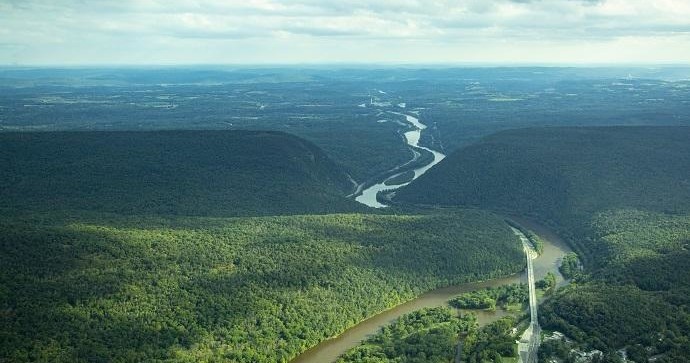
There is a particular hush to the early morning in Washington, New Jersey—an easiness that feels made for rising with a balloon or slipping quietly down a low-altitude scenic corridor. From the air the region reads differently than it does from the road: patchwork fields meet linear ridgelines, farmsteads cluster like punctuation marks, and the Delaware River carves a deep, reflective seam that changes color with the light. For anyone chasing an air-based perspective—whether in a slow-moving Cessna, a thermalling glider, or a drifting hot-air balloon—Washington offers an approachable, picturesque canvas.
The landscape here composes itself into neat photographic layers. Kittatinny Ridge provides a near-constant horizon line, offering photogenic relief to the geometric order of crop fields. In spring and fall, that contrast becomes even more pronounced: newly planted rows, muted winter plow-lines, and a spread of autumn color on the ridgeline create a strong visual narrative that rewards multiple passes in the sky. That combination—distinct features close together and low population density—makes the area ideal for short scenic hops, introductory flights, and repeat visits. Pilots and operators value predictable approach paths, forgiving fields for small airstrips, and weather windows that favor early-morning calm.
There's also a cultural ease to air activities here. Many launches, local airfields, and small operators run family-oriented or introductory experiences that lower the barrier to entry: you don't need advanced training to taste the view or to feel the quiet lift of a balloon at dawn. At the same time, the area sits within easy driving distance of denser corridors—so you get both access and relative solitude. That means day trips are realistic: arrive before sunrise for a balloon, then spend an afternoon on a riverside paddle or a ridgeline hike. In short, Washington’s air activity offering is a complement rather than a spectacle—quiet, scenically generous, and intimately tied to the rhythms of the land below.
Practically, the region is best for flights that emphasize low-altitude storytelling over high-altitude endurance. Expect short, scenic circuits rather than long cross-country hops. Weather matters here—clear, cool mornings are the most reliable for calm flights—but the diversity of modes (powered scenic flights, balloons, gliders) means there's usually an option on most fair-weather days. For visitors, that creates an attractive proposition: accessible adventure with an immediate payoff in views, photos, and a persistent sense of place that lingers long after you touch back down.
Air access is local and low-key: small public and private strips, farm fields that support event launches, and operators who focus on scenic tours and introductory experiences rather than high-volume commercial flights.
Seasonality shapes what you can do—ballooning and scenic flights favor spring and fall for light winds and clear air; glider operations look for stable thermals and clear corridors on warm days.
Choose by purpose
Whale watching, snorkeling, sunset sailing, cultural canoeing, harbor sightseeing, or private chartering.
Start near the city
Waikiki and Honolulu Harbor are primary hubs, with some trips launching near Hanauma Bay.
Confirm the vessel
Gangways, shaded seating, and boarding requirements vary according to vessel size and operator.