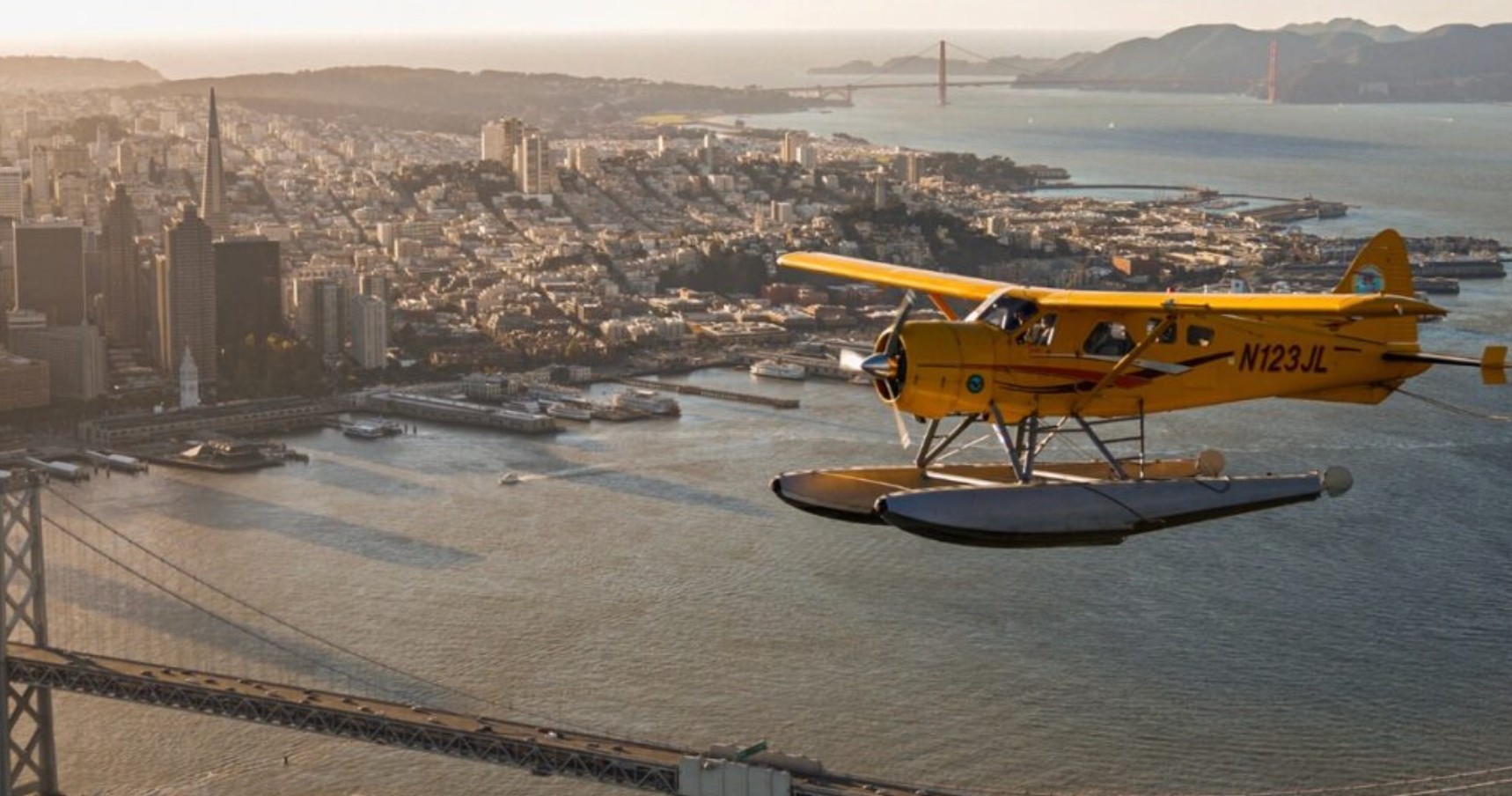
Top Airplane Adventures in Walnut Creek, California
Walnut Creek is an unexpectedly good launch point for airplane-focused adventures across the Bay Area: think low-and-slow scenic flights over Mount Diablo, discovery flights for aspiring pilots, and quick hops to wine country and coastline for aerial perspective. The experience here blends suburban ease with access to a dense patchwork of airfields and flight operators—perfect for travelers who want to trade pavement for prop wash, photographers after new angles, or first-timers curious about the pilot’s seat.
Top Airplane Trips in Walnut Creek
18 trips • Book with confidence • Instant confirmation
Why Walnut Creek Is a Standout Place for Airplane Adventures
Walnut Creek's charm for airplane experiences comes not from a single signature airport or showpiece attraction but from geography and access. Tucked against the western slopes of Mount Diablo and within a half-hour of multiple general-aviation fields, the city is a practical staging area for short scenic flights, introductory discovery flights, and targeted aerial photo missions. From the air you read the Bay Area differently: the patchwork of suburban grids and open ranchland gives way to a theatrical coastline, the sinuous contours of the Bay Bridge, and the isolated prominence of Mount Diablo—an easy visual anchor that pilots and passengers use to navigate. Morning flights often lift above a thin marine layer, offering dramatic vistas as the fog peels back and sunlight hits the East Bay ridgelines. Later in the day the air can change—thermals and bay breezes create livelier conditions, which some passengers find exhilarating and photographers find more challenging.
The area’s aviation ecosystem also supports a range of experiences. You’ll find short, ticketed sightseeing flights ideal for first-time flyers who want 15–45 minutes of aerial perspective, plus discovery flights and ‘introductory’ lessons that pair storytelling with a few hands-on moments at the controls under an instructor’s supervision. For people interested in learning to fly, nearby flight schools and fixed-base operators based at Buchanan Field and surrounding airports offer training, aircraft rentals, and cross-country hops that let you practice navigation over varied terrain. And because Walnut Creek sits near cultural and culinary destinations—wineries in the North Bay, downtown San Francisco, and the rolling vineyards of Napa and Sonoma—airplane trips are often paired with ground-based experiences, turning a thirty-minute flight into a full-day itinerary.
Environmental context matters: flying in this corridor intersects with busy Bay Area airspace, local noise-sensitive communities, and variable coastal weather. Operators tend to plan flights that maximize scenic value while minimizing noise impact, but passengers should be ready for sudden cancellations or rescheduling when winds or visibility dip. The best flights balance calm windows—often early morning or late afternoon—with photographic light and personal comfort. Practically, Walnut Creek’s proximity to multiple FBOs means flexibility: if one runway has a delay or closure, operators can sometimes pivot to nearby fields. For the traveler who values perspective, convenience, and a manageable step into aviation, Walnut Creek is an understated gateway—a place where the first time you see the Bay from 2,500 feet up, the map you thought you knew becomes a new narrative.
Short scenic flights and discovery flights are the bread-and-butter airplane experiences accessible from Walnut Creek—ideal for people who want an aerial taste without committing to training or long travel.
Flight training and introductory lessons are widely available at nearby general aviation fields; these fit travelers who want a hands-on experience and an easy way to keep exploring aviation after their visit.
Pair aerial experiences with ground activities—wine tasting in the North Bay, a Mount Diablo summit hike, or a photography walk—to extend the theme of perspective from air to land.
Best Time to Visit
Best Months
Weather Notes
Spring and fall often deliver the clearest skies and the most stable flying conditions; summer mornings can bring a marine layer that burns off mid-day, while late summer can produce gusty bay breezes. Morning windows tend to be calmer and offer cleaner light for photography.
Peak Season
Late spring through early fall, when tourism and clearer skies increase demand for scenic flights.
Off-Season Opportunities
Winter and early spring can offer dramatic weather-scene flights but higher cancellation risk; operators and pilots often have more flexible scheduling on weekdays.
Frequently Asked Questions
Do I need any experience to go on a scenic airplane flight?
No. Scenic flights and discovery flights are designed for passengers with no aviation background. Instructors handle all technical aspects unless you book a hands-on introductory lesson.
What happens if my flight is canceled for weather?
Most operators offer rescheduling options or credits. Weather-related cancellations are common in coastal areas; confirm the operator’s cancellation and rescheduling policy when you book.
Are airplane experiences noisy or uncomfortable?
Small aircraft can be noisy and sometimes bumpy. Many operators supply headsets that reduce noise and improve communication; bring layered clothing and ear protection if you prefer extra comfort.
Choose Your Experience Level
Beginner
Short, guided scenic flights and discovery flights—these provide aerial perspective with no pilot experience required.
- 15–45 minute scenic overview flight of Mount Diablo and the Bay
- Introductory discovery flight with a certified flight instructor
Intermediate
Longer scenic routes, targeted aerial photography sorties, and introductory hands-on sessions where you may take the controls under supervision.
- Aerial photography flight focusing on the bay and coastline
- Extended discovery flight that includes hands-on time with an instructor
Advanced
Flight training modules, cross-country hops, or specialized tours requiring pre-booking and greater tolerance for variable conditions.
- Introductory flight lesson series leading toward pilot certification
- Cross-country scenic hop to wine country or coastal airfields
Insider Tips & Local Knowledge
Confirm weather and operator policies the day before your flight; morning windows are generally calmer and clearer.
Book morning slots for the best chance at stable air and crisp visibility—late-afternoon light is beautiful, but thermals can make flights bumpier. Talk to the operator about window seats and camera-friendly seating for photography; some aircraft have better sightlines than others. If you're doing a discovery flight, mention any goals—photo ops, a taste of flying, or a particular route—so the instructor can tailor the experience. Expect airport security and check-in to be relaxed at smaller FBOs, but arrive early to complete any paperwork. Be mindful of local noise-sensitive neighborhoods and ask operators about preferred routes that minimize disturbance. Finally, combine your flight with a ground plan: a nearby hike on Mount Diablo, a winery visit, or a downtown Walnut Creek lunch turns a short flight into a memorable day.
What to Bring
Essential
- Photo ID (required by many operators)
- Camera with spare battery or phone with charging pack
- Layered clothing—cockpit temps can change quickly
- Sunglasses and a hat for glare
- Motion-sickness medication if you’re prone to airsickness
Recommended
- Noise-cancelling ear protection or headset (some operators provide headsets)
- Compact binoculars for pre- and post-flight viewing
- Small daypack for ground connections (water, snacks)
- Light rain shell during ambiguous weather months
Optional
- Notebook for jotting route notes or pilot tips during discovery flights
- Polarizing filter for aerial photography
- Basic headphones adapter if you have specialized audio equipment
Ready for Your Airplane Adventure?
Browse 18 verified trips in Walnut Creek with instant booking
Explore Top 15 Walnut Creek, California Adventures →