7

Top Sightseeing Tours in Wakefield, New Hampshire

Wakefield, New Hampshire

Wakefield sits like a quiet postcard between pine and water—lakes that catch the sky, a village that keeps its nineteenth-century bones, and country roads that open into broad rural views. Sightseeing here is low-slung and deliberate: an easy boat cruise at dawn, a historical walk through a small-town center, a fall-color drive along tree-lined byways, or a guided birding stopover at a wooded shore. This guide compiles the best ways to see Wakefield — not in frantic one-day sweeps but in thoughtful, accessible tours that bring the region's lake culture, natural history, and local stories into clear focus.

34
Activities
Late spring through fall
Best Months

Top Sightseeing Tour Trips in Wakefield

34 trips • Book with confidence • Instant confirmation

Why Wakefield Is a Sightseeing Destination Worth Your Time

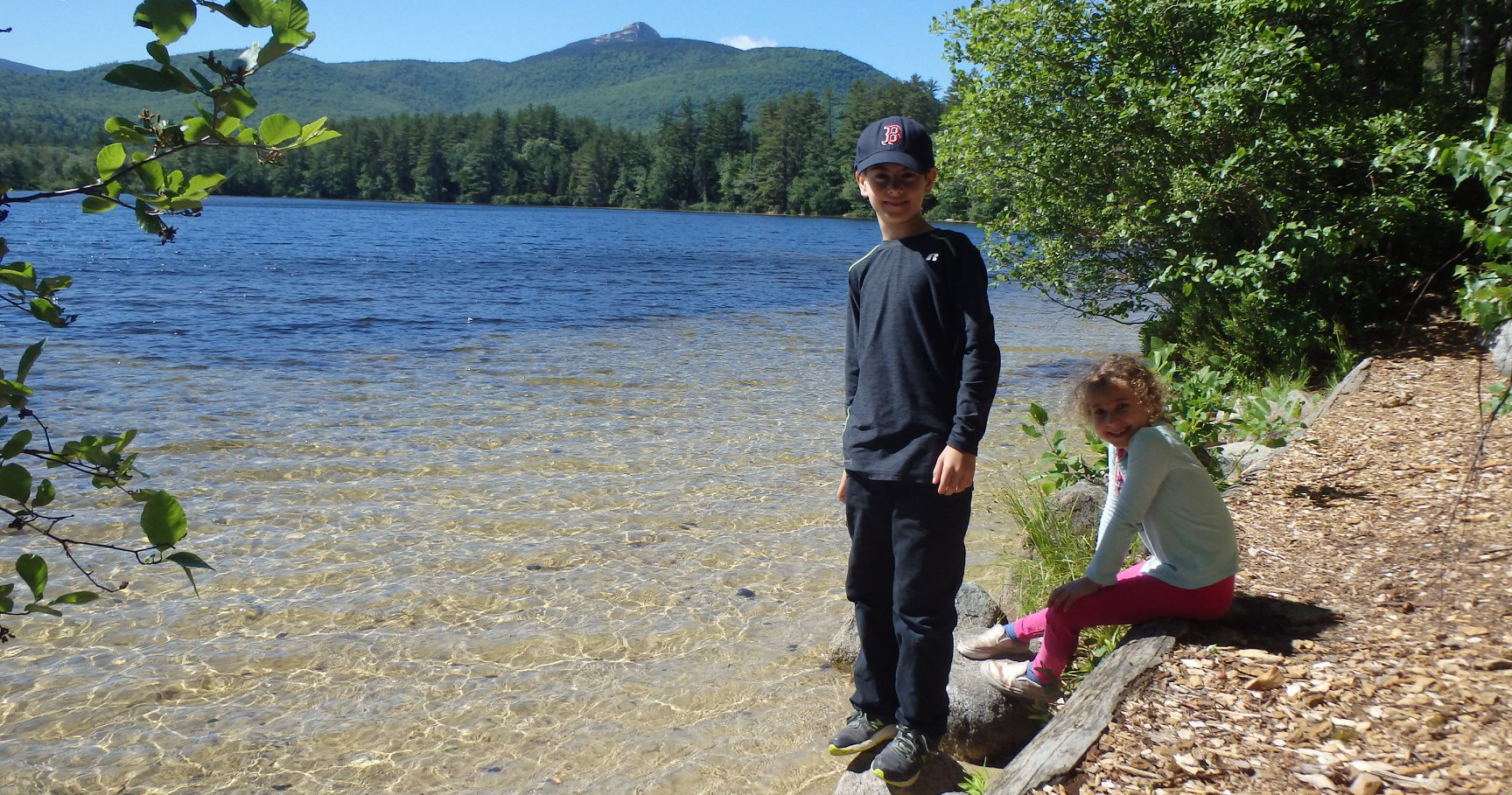
Wakefield is a study in scaled-down New England sightseeing—the kind that rewards slow attention instead of speed. There are no grand national parks here, no vertiginous overlooks; the pleasures are quieter but immediate: the glassy mirror of Great East Lake at first light, the hush of a canoe slipping past cattails, the wooden clapboard facades along Main Street that remember mill seasons and summer cottages alike. Sightseeing tours in Wakefield emphasize context as much as view: local guides fold in stories of fishing traditions and lumbering routes, boat captains point out seasonal nesting sites, and historical walks trace how the town’s identity has shifted between resource economy and lakeside leisure. The result is a travel experience that blends nature with culture—the kind of small-place storytelling that deepens a simple afternoon drive or a short harbor cruise.

Seasonality shapes sightseeing here in nearly obvious ways. Late spring brings the bright, new-leaf green that layers the shorelines, water levels that reveal wetlands, and a chorus of migrating songbirds—ideal for guided birding stops and gentle kayak tours. Summer produces warm days for longer boat excursions and guided evening cruises that catch the last light on the water. By September and October the trees turn, and a foliage-focused tour—whether by car, bike, or guided hike—becomes the clearest way to see Wakefield’s surrounding hills and lake rims glow. Even winter has its possibilities: clear, cold days reveal crystal views across the lakes and invite short, interpretive snowshoe walks around frozen verges, though many seasonal services pause for the off-season.

Terrain here is modest—rolling hills, lake shores, and small patches of mixed hardwood and pine—so sightseeing is broadly accessible. That terrain supports a variety of tour formats: guided walking tours through the village and historic cemeteries; driving loops that stitch lakeside overlooks with farm lanes; short boat cruises that translate local ecology into stories; and slow, interpretive bike rides along quiet roads. Accessibility is a strength: much of Wakefield’s best scenery is reachable without technical gear or steep climbs. Practical considerations matter, though. Parking in the village can be tight on summer weekends, and many lakeside access points are controlled by local associations that set rules for launching. Weather changes fast on open water, and insect activity in early summer can affect comfort on shoreline stops. A good sightseeing tour in Wakefield balances ease with prepared curiosity—arrive with a camera, a lightweight jacket, and an appetite for stories both natural and human.

Wakefield’s appeal is relational: lakes, roads, and the village feed into one another. A single afternoon can combine a historical walking tour, a lakeside picnic, and a short boat tour.

Local operators often pair activities—birding with photography workshops, or historical walks with visits to family-run farms and artisan studios.

Travel rhythms are seasonal; plan lake-based tours from late May through September and foliage drives in September–October for peak color.

Activity focus: Sightseeing Tours—walking, driving, and boat-based
Most tours are short to half-day; some operators offer customizable full-day options
Lakeside vistas and fall foliage are prime draws
Accessibility is high—most highlights require minimal hiking
Local operators may limit group sizes for lake and wildlife sensitivity

Best Time to Visit

Best Months

MayJuneSeptemberOctober

Weather Notes

Late spring and early summer bring calm mornings and migrating birds; summer afternoons can be warm with occasional thunderstorms; fall delivers crisp air and peak foliage. Wind on open water can rise quickly—dress in layers.

Peak Season

Late June through August for lakeside activity; September–October for foliage-driven visitation.

Off-Season Opportunities

Late winter and early spring offer quiet village streets and off-season rates; some operators run limited snowshoe or history-focused indoor tours.

Frequently Asked Questions

Do I need to book sightseeing tours in advance?

Advance booking is recommended for guided boat tours and any small-group or specialty tours (birding, photo workshops), especially during summer weekends and fall foliage weekends.

Are tours family-friendly?

Yes—many sightseeing options are suitable for families. Choose shorter walking tours or gentle boat cruises for younger children and check operator age recommendations for water-based outings.

Can I combine sightseeing with other outdoor activities?

Absolutely. Operators often pair sightseeing with kayaking, light hikes, farm visits, and seasonal foraging or photography sessions to create half-day or full-day itineraries.

Choose Your Experience Level

Beginner

Short, low-effort tours focused on views, history, and lake access. Ideal for casual travelers and families.

  • Village historical walking tour
  • Short lakeside drive with overlooks
  • Sunset boat cruise (calm-water, short duration)

Intermediate

Longer half-day tours that mix walking, brief paddling, or multiple stops; some moderate terrain and uneven surfaces may be encountered.

  • Half-day boat-and-walking combo
  • Guided birding stop with short woodland walks
  • Scenic bike-and-drive loop around Great East and Province Lakes

Advanced

Full-day, curated tours that emphasize interpretation, photography, or multi-modal travel (boat, bike, and walking) and may require stamina for longer itineraries.

  • Full-day lake-and-land photo workshop
  • Multi-stop historical and ecological tour with longer walks
  • Custom private charter combining shoreline exploration and inland viewpoints

Insider Tips & Local Knowledge

Confirm pier access and launch rules before arriving; many lakes have private launches and seasonal restrictions.

Start mornings on the water for the calmest conditions and best wildlife viewing. If you’re touring in fall, plan drives for midweek if possible—weekends fill with leaf-peepers. Ask guides about lesser-known pullouts and local cafés; Wakefield’s best stories often come with a cup of coffee. For boat tours, wear non-marking shoes and bring a wind layer. If you hope to photograph waterfowl, bring a telephoto lens or rent binoculars from a local outfitter. Finally, respect private shorelines and quiet wildlife zones—many shoreline properties are privately owned and some protected nesting sites require distance during breeding season.

What to Bring

Essential

  • Comfortable walking shoes or flats for village tours
  • Light waterproof jacket for lake breezes
  • Water bottle and sunscreen
  • Camera or phone with extra battery
  • Insect repellent in summer months

Recommended

  • Binoculars for birding and lakewatching
  • Small daypack for snacks and layers
  • Cash or contactless payment for small local vendors
  • Hat and polarized sunglasses for boat tours

Optional

  • Compact field guide for regional birds and plants
  • Light tripod for low-light photography on dusk cruises
  • Reusable mug for coffee at local cafes

Ready for Your Sightseeing Tour Adventure?

Browse 34 verified trips in Wakefield with instant booking

Explore Top 15 Wakefield, New Hampshire Adventures →