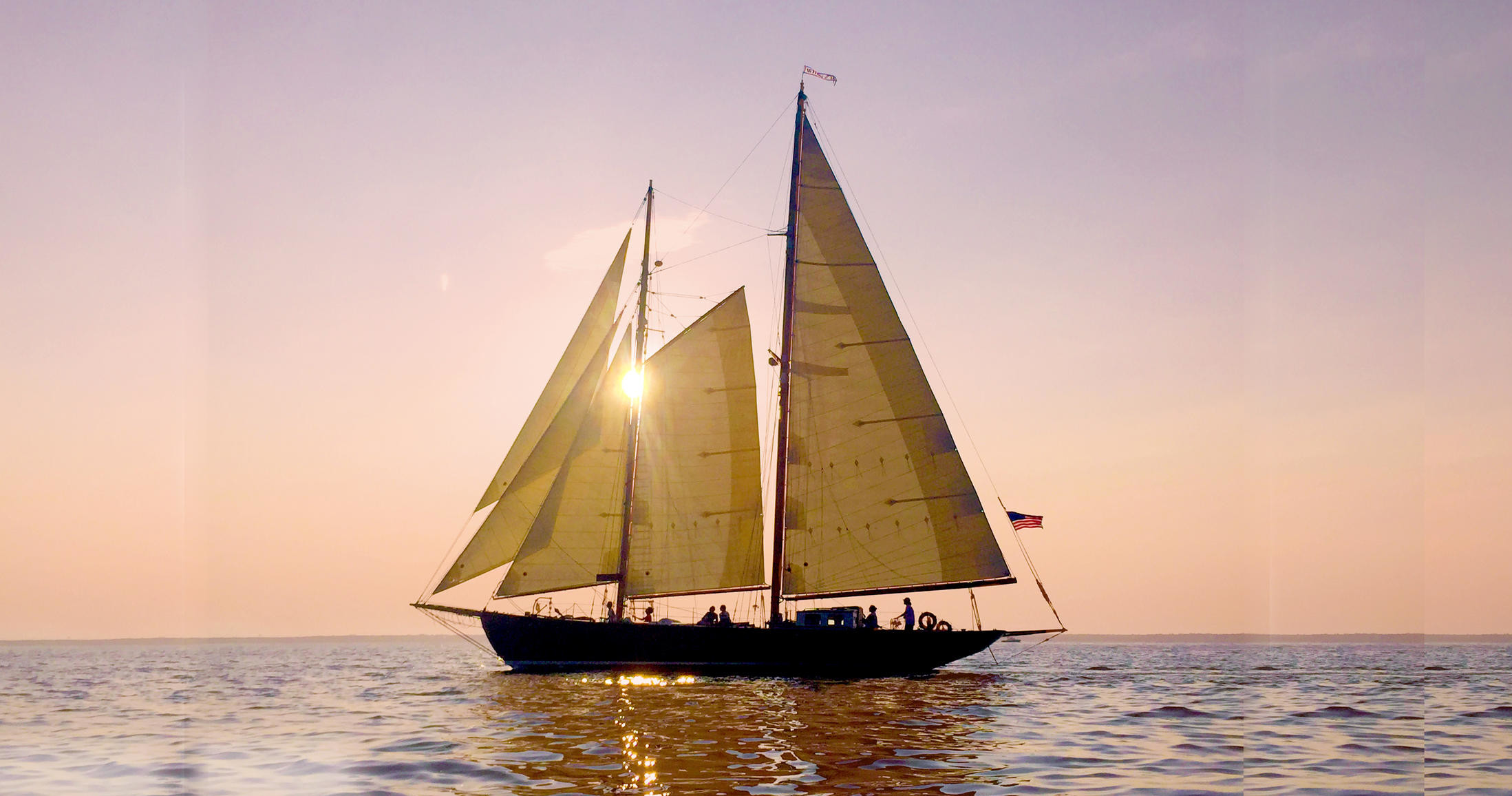
Sailing in Wakefield, Massachusetts
Wakefield Sailing Guide

Sailing in Wakefield, Massachusetts

Wakefield is an intimate New England sailing destination where small-bay sensibilities meet lake-side community sailing. Protected waters, friendly launch points, and a long local tradition of dinghy and day-sailer use make it an ideal place to learn, practice, and enjoy short coastal hops to nearby harbors. Expect calm mornings, reliable afternoon sea breezes on clear days, and easy access to rentals, lessons, and community flotillas.

Lake QuannapowittCrystal LakeBoston Harbor (day-sail access)

Live destination inventory

Top Sailing Trips in Wakefield

47 trips · Book with confidence · Instant confirmation

The prototype intentionally does not invent replacement trip cards or add images that are not already part of the live source page.

The city from the water

Why Wakefield Is a Standout Sailing Destination

There are places where sailing feels theatrical — wide-open ocean, long swells, and horizonless crossing lanes — and there are places where sailing feels intimate, immediate, and quietly exacting. Wakefield belongs to the latter group. Centered on Lake Quannapowitt and complemented by Crystal Lake and easy drives to coastal launch points, Wakefield gives sailors a chance to be immersive in the craft: trimming sails by feel, reading subtle wind shifts off tree lines, and learning to read local watercraft etiquette in a neighborhood setting. The town’s lakes are sheltered enough to reward learners with confident, low-stakes days on the water, yet varied enough that a steady breeze will still challenge a skipper to think about heel, board technique, and course selection. Historic New England sailing is braided through Wakefield’s shoreline—small-boat culture has always been practical, communal, and quietly competitive here. Community sailing programs and seasonal flotillas mean you’re as likely to join a lesson as you are to fall into an impromptu race. That communal rhythm makes Wakefield ideal for multi-day learning arcs: a weekend of lessons, a week of self-practice, then a coastal day sail to nearby harbors when the crew is ready. For travelers, the payoff is both technical — better points of sail, cleaner tacks, and smarter boat handling — and emotional: a distinct sense of belonging to a regional sailing tradition that values seamanship over spectacle. For visitors who want to expand beyond the lakes, Wakefield’s location is quietly strategic. A short drive takes you to greater Boston Harbor and to historic North Shore towns where tidal sailing, island hopping, and afternoon coastal runs are the norm. These nearby options let sailors build from sheltered freshwater practice to tidal, currents-aware coastal work without committing to a long passage. Environmentally, Wakefield’s waters reflect the concerns of all New England sailors: watch for seasonal weed growth, be mindful of washed-in debris after heavy rains, and respect local wildlife habitats near shorelines and inlet channels. Local stewards and community programs often run workshops on low-impact launching, hull cleaning, and shoreline stewardship, and joining a class offers a practical way to learn both skills and local expectations. Ultimately, Wakefield’s sailing appeal is its approachable complexity: accessible waters for newcomers, enough nuance for intermediate sailors to sharpen their skills, and straightforward access to the coastal sailing playgrounds of the North Shore. The town rewards curiosity and practice in equal measure; it doesn’t demand grandeur, but it does reward attention. Whether you’re stepping into your first dinghy or preparing for your first tidal day sail, Wakefield is a place to build calm confidence, seasonal awareness, and a deeper appreciation for small-boat seamanship.

Sheltered lakes offer gentle learning conditions in the morning and more lively afternoon breezes for practice runs, while nearby coastal harbors provide tidal and current challenges for the next step up.

Community sailing programs, seasonal lessons, and informal regattas create a welcoming environment for beginners and steady opportunities for intermediate sailors to develop race and boat-handling skills.

The harbor is the gateway, and the Pacific becomes the classroom.

Seasonal changes reshape the experience—late spring and early summer bring stable breezes and lower boat traffic; late summer into fall can offer stronger winds and clearer visibility for longer day sails.

Activity focus

Choose by purpose

Whale watching, snorkeling, sunset sailing, cultural canoeing, harbor sightseeing, or private chartering.

Departure hubs

Start near the city

Waikiki and Honolulu Harbor are primary hubs, with some trips launching near Hanauma Bay.

Accessibility

Confirm the vessel

Gangways, shaded seating, and boarding requirements vary according to vessel size and operator.

Seasonal planning

Best Time to Visit

Wakefield is warm year-round, but wind, swell, migration, visibility, and demand change the best match between traveler and trip.

Wakefield boat tour
Year-round destination

Seasonal highlights change the reason to go

Winter favors humpback encounters; warmer, calmer months favor snorkeling visibility and smoother water.

Humpback season

July–September weekend days are busiest, especially around holiday weekends.

Prime whale watching, winter holidays, higher demand, and earlier sell-outs.

Snorkeling window

May–June–July–August–September–October

Typically gentler seas and clearer water for snorkeling trips.

Weather notes

Trade winds year-round

Late spring and early summer offer mild temperatures and consistent thermal breezes. Mid-summer brings warmer days and the possibility of afternoon gusts; fall offers crisp, clearer days with stronger, steadier winds for advanced practice. Winters freeze local lakes and are generally unsuitable for recreational sailing.

Quieter opportunities

Late spring & summer weekdays

Shoulder seasons (May and October) provide quieter waters, lower boat traffic, and good conditions for lessons and skill-building, though water temperatures will be cooler.

Match the trip to your comfort

Choose Your Experience Level

Low effort

Beginner

Ideal for learners: sheltered waters, short runs, and coached lessons to build confidence on board and in basic sail handling.

  • Introductory dinghy lesson on Lake Quannapowitt
  • Guided discovery sail with a community program
  • Short practice circuits focusing on tacks and gybes
Active day trip

Intermediate

For sailors who can handle basic maneuvers and want to refine sail trim, points of sail, and crew coordination; begins to introduce tidal awareness for coastal runs.

  • Afternoon practice sails with steady afternoon breezes
  • Local club racing or informal regatta participation
  • Day sail to nearby North Shore harbor with an experienced skipper
Longer or technical

Advanced

Experienced sailors will find opportunities to practice tactical racing, tidal navigation, and coastal passages from nearby harbors, where currents and traffic require stronger seamanship.

  • Tidal navigation drills and current-aware passages from a North Shore launch
  • Competitive inshore regattas in the greater Boston Harbor or Marblehead areas
  • Over-nighters or multi-stop coastal hops when conditions permit

Prepare for sun, spray, and swell

What to Bring

Essential

Core kit

  • Personal flotation device (PFD) — required for all onboard
  • Non-marking deck shoes or secure sneakers
  • Wind- and water-resistant jacket (foul weather jacket)
  • Sun protection: hat with strap, polarized sunglasses, sunscreen
  • Waterproof small bag for phone and essentials
  • Reusable water bottle and quick snacks
Recommended

Useful extras

  • Gloves designed for sailing or grip gloves
  • Light insulating midlayer for cooler mornings and evenings
  • Dry bag for electronics and spare clothing
  • Compact first-aid kit and blister care
  • Handheld VHF or a charged phone in a waterproof case
Optional

Trip-specific

  • Binoculars for shoreline and bird watching
  • Quick-dry change of clothes in case of capsize
  • Small multi-tool or sailor’s knife
  • Knee pads or cockpit cushion for long days
  • Camera with waterproof housing
Check local wind forecasts, launch rules, and water conditions before heading out.

Insider Tips & Local Knowledge

Reserve whale-watching and popular sunset cruises well ahead during December–April.
Choose morning snorkeling departures for calmer seas and better underwater visibility.
For motion sensitivity, choose a larger vessel, sit mid-ship, and take preventative medication before boarding.
Do not touch coral or wildlife, avoid standing on reefs, and use reef-safe sunscreen.
Community-based operators may add context about traditional navigation and stewardship.
Arrive early for parking and check-in because Waikiki departure areas can be busy.

Planning questions

Frequently Asked Questions

No. Many operators and community programs offer beginner lessons and supervised rentals. For coastal or tidal outings, previous experience or a guided trip is recommended.
Sailing in Wakefield, Massachusetts
Ready for your sailing adventure?

Browse 47 verified trips in Wakefield.

Compare current availability and book with instant confirmation.

Explore Wakefield sailing