Top 8 Zipline Adventures in Wainaku, Hawaii
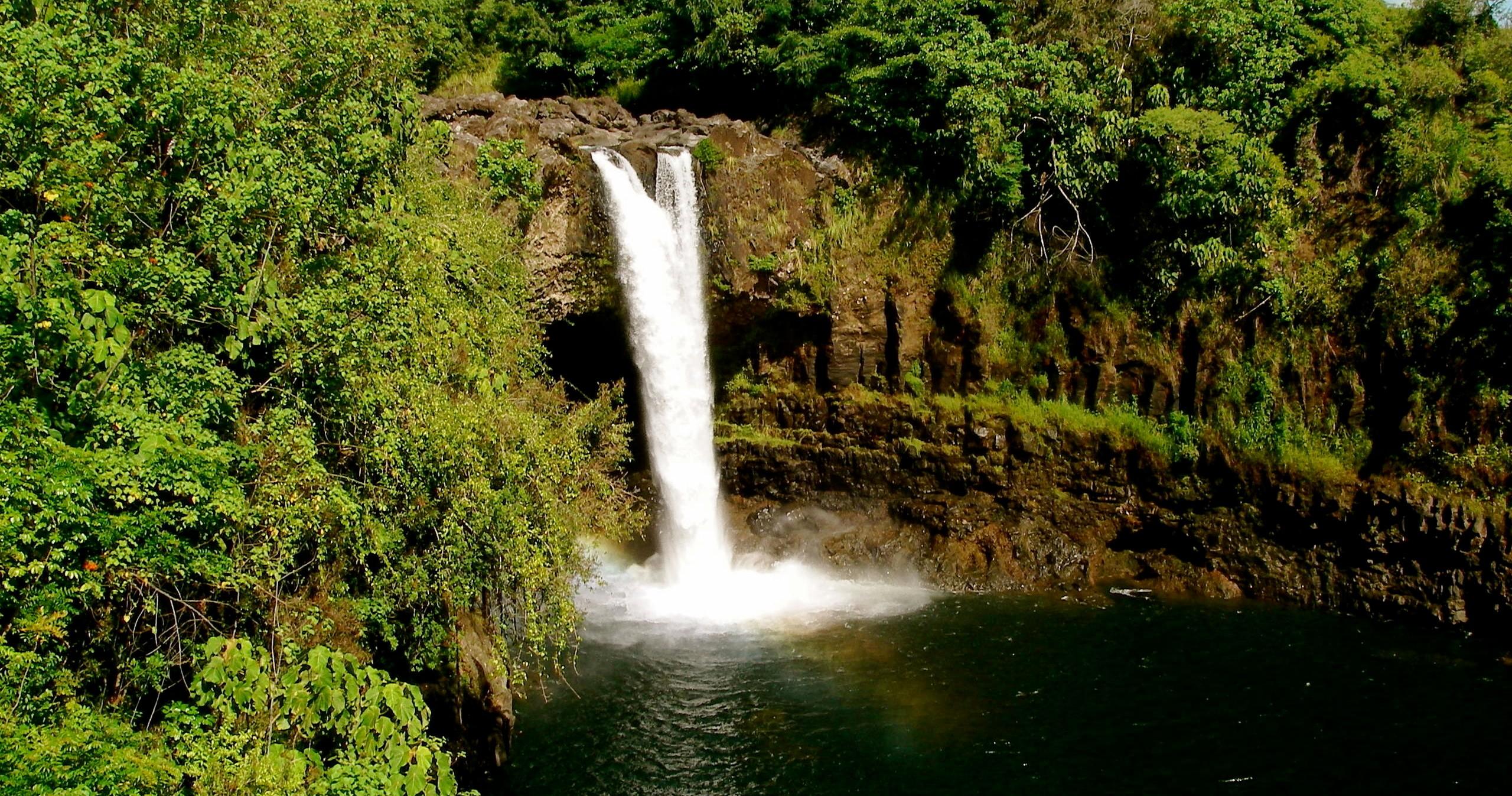
Wainaku’s ziplines thread skyward through an emerald tangle of tropical rainforest, skirting cliffs that fall toward the Pacific and sliding across gulches that hide waterfalls and old sugar-plantation terraces. These guided canopy runs pack punch: long flight-lines for adrenaline seekers, mixed-course tours for families, and integrated eco-tours that pair zipping with hikes, coffee-farm visits, or waterfall swims. Expect humid warmth, sudden trade-wind gusts, and views that shift from verdant valley floors to coastal blue in a single line. This guide gathers the practical details travelers need to choose between full-day canopy circuits, short aerial crossings, and combo-adventures that make Wainaku a compact but varied zipline destination.
Top Zipline Trips in Wainaku
8 trips • Book with confidence • Instant confirmation
Why Wainaku Is a Standout Zipline Destination
Nestled along Hawai‘i’s Hamakua Coast, Wainaku is the kind of place where the landscape composes drama at every turn: steep, rainforest-carved valleys, narrow ridgelines, and an exposed coastline that compresses lush inland growth within eyesight of the ocean. For zipliners this is ideal terrain. Lines are often routed to take full advantage of vertical relief—long, swooping cables that launch riders over canopy galleries, cross dramatic gulches, and finish on ridges with sweeping views of the sea. Unlike flatland canopy courses, Wainaku’s setups emphasize altitude changes and visual variety. Flights move from intimate runs threaded through ohia and uluhe to high, open-air stretches where the wind becomes a tangible part of the ride.
Beyond pure thrills, Wainaku’s ziplines are woven into the island’s cultural and agricultural tapestry. Many operators are small, locally-run enterprises that place emphasis on interpretive guiding: you’ll hear about native plants and the legacy of sugar and coffee cultivation, see terraced hillside plots and historic remnants on approach trails, and sometimes pause at lookout platforms where guides point out seabirds, lava-formed coastline, or distant Mauna Kea. That interpretive layer transforms a zipline outing into a compact natural-history tour—an efficient way to experience both adrenaline and context on a limited schedule.
The region’s microclimates also shape the experience. Trade-wind-driven showers are common and can briefly darken visibility or slick platforms, but they also feed the waterfalls, keep the canopy lush, and refine the sensory experience: the smell of wet earth, the sound of water in valley bottoms, and the sudden sunlight that can follow a passing squall. Because courses are typically guided and run in small groups, operators are adept at managing conditions—rescheduling, adjusting line order, or pausing runs for safety. That said, visitors should come prepared for humidity, a short hike to platforms in some cases, and the kind of footwear and layering that matters in rainforest environments.
Practically speaking, Wainaku presents a compact zipline scene: fewer, more curated operators rather than a cluster of large resorts. That means booking in advance, especially on weekends and holiday weeks, and choosing an operator whose emphasis—speed and length of lines, family-friendly harness systems, or combined eco-adventures—matches your goals. Combine a morning zipline with an afternoon waterfall hike, a visit to a local coffee farm, or a quiet snorkel session off nearby coves and you’ll get the broad-brush experience of the Hamakua Coast in a single, full day. For planners, accessibility is friendly: courses are reachable from Hilo within a short drive, making Wainaku an efficient add-on to a Big Island itinerary without long transfers.
The variety is the draw: long, open-flight zips that maximize airtime; shorter technical crossings that thread dense canopy for a sense of speed and proximity to forest life; and integrated tours that pair zipline runs with hikes, waterfall stops, and cultural storytelling about native flora and historic plantation landscapes.
Seasonality and microclimate matter. The driest months (generally spring through fall) offer the clearest views and more predictable operating conditions, while the wetter winter months can bring higher water levels and more frequent short delays but also more dramatic waterfall scenery and lusher forest growth.
Best Time to Visit
Best Months
Weather Notes
Wainaku sees trade-wind showers year-round; spring through fall tends to be drier and more consistent for uninterrupted runs. Brief rainstorms can close or delay individual lines, but operators routinely adjust scheduling to make the most of windows between showers.
Peak Season
Summer and winter holiday travel windows are busiest—expect limited availability on weekends and around major holidays.
Off-Season Opportunities
Wetter months (late fall through early spring) offer quieter booking and fuller waterfall flows; operators may offer discounted midweek slots but also more frequent weather-related delays.
Frequently Asked Questions
Are there age or weight limits for ziplines in Wainaku?
Limits vary by operator. Many family-friendly courses accept children (often 7–10+), while longer, higher-speed runs may have higher minimum ages and specific weight ranges. Check the operator’s policy before booking.
Do I need to bring special gear?
Operators provide harnesses, helmets, and safety equipment. Bring closed-toe shoes, sun and rain protection, and personal items such as ID and water. If you plan to use a camera, confirm the operator’s mounting and policy rules.
How long does a typical zipline tour last?
Tours usually last 2–4 hours from orientation to final landing. Full-day combo tours that include hikes, waterfall stops, or cultural elements run longer—plan for half to a full day.
Can I combine ziplining with other activities nearby?
Yes. Popular combos pair ziplines with waterfall hikes, coffee-farm visits, botanical garden stops, or coastal snorkeling—many operators can help outline a multi-activity itinerary.
What happens if it rains?
Short, light showers often result in temporary pauses or a modified run order. Heavy rain, high winds, or lightning will prompt cancellations for safety. Operators usually offer rebooking or refunds per their policy.
Choose Your Experience Level
Beginner
Introductory canopy experiences and shorter crossings designed for families and first-timers. Focus is on safety, slow acclimation to heights, and interpretive commentary about the forest and local culture.
- Family Canopy Circuit
- Beginner Zip & Learn Tour
- Short Gulch Crossings with Lookout Stops
Intermediate
Mid-length lines with moderate airtime and a mix of open and forested runs. These tours balance speed and scenery and often include a short hike between platforms.
- Ridge-to-Valley Zip Circuit
- Coffee-Farm Zip & Tasting Combo
- Waterfall Overlook Zipline Course
Advanced
Long, fast lines that maximize speed and hang time, often on exposed ridges with higher winds and longer platform approaches. Suited for experienced zipliners who want sustained aerial runs.
- High-Speed Coastal Flyer
- Long-Line Ridge Traverse
- Advanced Aerial Combo with Extended Lines
Insider Tips & Local Knowledge
Confirm age/weight policies, camera rules, and cancellation terms before booking. Expect short weather delays and pack accordingly.
Book morning slots to avoid afternoon trade-wind gusts and late-day showers. If you’re sensitive to height, start with a shorter family-friendly course to build confidence. Support locally owned operators when possible—many are small businesses that combine guiding with conservation and cultural education. If combining a zipline with a waterfall swim or a coffee farm visit, leave extra time for travel and transitioning between activities; roads on the Hamakua Coast can be narrow and slower than maps suggest. For photos, consider asking your guide for a few shots from safe positions rather than juggling a camera mid-ride—hands-free mounts are permitted by some operators but not all. Finally, treat the forest with respect: stay on trail, avoid touching cultural sites, and follow guide instructions to minimize impact on fragile ridge and stream habitats.
What to Bring
Essential
- Secure, closed-toe shoes with good grip
- Light rain shell or quick-dry layer
- Reusable water bottle (many operators provide refills)
- Photo ID and booking confirmation
- Sunscreen and a hat for downtime between lines
Recommended
- Light long-sleeve layer to protect arms from harness rub
- Small daypack or waist pack for personal items
- Camera with wrist/helmet mount (confirm operator policy)
- Motion-sickness or adrenaline remedies if you’re sensitive
Optional
- Binoculars for birding at lookout platforms
- Spare socks if you expect wet conditions
- Dry bag for valuables if combining with waterfall swims
Ready for Your Zipline Adventure?
Browse 8 verified trips in Wainaku with instant booking
Explore Top 15 Wainaku, Hawaii Adventures →