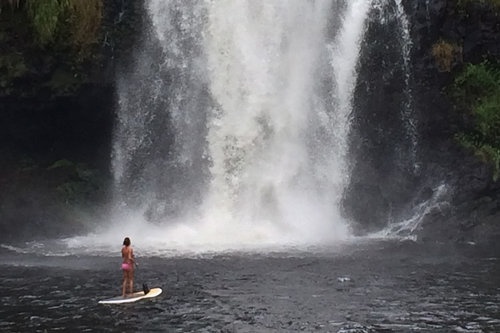
Top Water Activities in Wainaku, Hawaii
Fringed by koa and ironwood trees and set against the broad sweep of Hilo Bay, Wainaku is a quietly brilliant launchpad for water-based exploration. From glassy-morning paddle sessions and reef snorkeling to guided fishing charters and cliff-flanked waterfall swims inland, the water activities here are intimate, varied, and shaped by a patient ocean and deeply rooted island culture.
Top Water Activities Trips in Wainaku
19 trips • Book with confidence • Instant confirmation
Why Wainaku Is a Standout Spot for Water Activities
Wainaku sits on the sheltered shoulder of Hilo Bay, where the ocean meets a landscape that still feels more island than city. Walk a shoreline here at dawn and you’ll notice how the water reads differently: a satin flatness in the early hours, then a steady pulse as trades pick up. That rhythm defines the local water experience—mornings for exploration, afternoons for learning how the sea shifts.
The variety is the real draw. Within minutes you can shift from shallow reef snorkeling—where cast shadows of surgeonfish and the occasional honu (green sea turtle) weave through coral fingers—to stand-up paddleboarding in protected inlets that feel like private lagoons. For those who want to push outward, guided boat trips unlock deeper reefs, seasonal whale-watching (offshore winter months), and small-scale offshore fishing that trades the bustle of larger ports for a more personal day at sea. Inland streams and cascades are a short drive away; many routes end in plunge pools that offer a fresh-water counterpoint to salt-spray days.
Beyond the checklist of activities, Wainaku’s character matters. This is a place where Hawaiian place names and local practices shape how the coastline is used—respect for reef ecosystems, an emphasis on small-boat stewardship, and a welcoming network of outfitters who will point you to the best tide windows and tide-pool etiquette. That local knowledge protects both the water and the experience: you’re not just watching wildlife, you’re learning how to move in a living system.
From a planning perspective, Wainaku is unusually forgiving. Many water activities are accessible to beginners with a quick lesson—intro SUP, beginning snorkeling in calm coves, or a reef-safe guided snorkel trip. But there’s enough complexity for the practiced adventurer too: ocean-surf entries, open-water paddling between small points, and fishing that demands both patience and a respect for changing swell and wind. Seasonal patterns matter—trade winds in summer can animate the sea, while winter swells may bring powerful surf to exposed points—so timing your outings and checking local forecasts is as essential as packing reef-safe sunscreen.
Finally, Wainaku’s proximity to Hilo and to quieter inland routes makes it a smart base for combining water days with rainforest walks, waterfall swims, and cultural stops. A morning in the bay can be followed by an afternoon chasing cascades upriver, or an evening learning about local fishing traditions from a guide who grew up on these shores. The result is a water-focused itinerary that feels both island-deep and refreshingly personal.
Accessible variety: sheltered bays for beginners, offshore charters for experienced anglers and snorkelers, and nearby freshwater swims inland.
Local stewardship shapes the experience—expect reef etiquette, small-group outfitters, and advice tuned to tide and wind windows.
Seasonal shifts (trade winds, winter swells, and the winter whale season) influence what’s possible day-to-day; mornings are usually calmest.
Best Time to Visit
Best Months
Weather Notes
Wainaku’s water activities are available year-round but change with trade winds and swell patterns. Mornings tend to be the calmest for snorkeling, paddling, and small-boat trips. Summer months usually bring steadier, warmer seas with stronger trade winds in the afternoons; winter can produce larger swells and offshore whale activity.
Peak Season
Summer months and major holiday periods (June–August, late December) see the most visitors for ocean activities.
Off-Season Opportunities
Winter months offer whale-watching opportunities offshore and powerful surf for experienced riders; midweek winter days can provide solitude for bay paddles if conditions are calm.
Frequently Asked Questions
Do I need permits for snorkeling or launching small craft?
Most casual snorkeling and small-craft launching from public shoreline access requires no special permit, but specific boat launches or commercial operations may require local permits or landing permissions—verify with outfitters or county offices for organized excursions.
Is it safe to snorkel year-round?
Yes, with caveats. Many sheltered coves are suitable year-round, but exposed points can become hazardous during large swells or strong winds. Always check local forecasts, follow tide-window guidance, and go with a guide if you’re unsure about conditions.
Are there guided options for beginners?
Yes. Local outfitters commonly offer beginner-friendly SUP lessons, guided snorkel trips to shallow reefs, and intro kayak tours. Guides provide gear, safety instruction, and local knowledge about tides and reef etiquette.
Choose Your Experience Level
Beginner
Gentle bays and protected coves are ideal for first-time snorkelers, stand-up paddleboarding, and casual swimming. These outings focus on basic skills, short distances, and calm-water windows.
- Guided sheltered-cove snorkel
- Intro SUP lesson in a glassy inlet
- Short kayak to a nearby reef-protected point
Intermediate
Longer reef snorkels with mild current, guided kayak or SUP tours that cross channel-like stretches, and half-day boat trips to more remote reefs. Expect sustained paddling and working around swell and wind.
- Half-day guided reef snorkel with brief surface swims
- Coastal SUP or kayak tour with short open-water crossings
- Nearshore fishing charter (inshore and near-reef)
Advanced
Open-ocean paddles, ocean-surf entries, big-water surfing in season, and offshore fishing require advanced skill, strong water competency, and often local guides with safety craft.
- Long-distance ocean SUP or multi-point kayak route
- Seasonal big-wave surfing sessions
- Offshore deep-water fishing trips
Insider Tips & Local Knowledge
Check local tide and swell forecasts, respect reef protections, and ask outfitters about the best launch windows.
Start early—calmer water and softer light make for the best flotation and visibility. Prioritize reef-safe sunscreen and avoid stepping on coral or disturbing tide-pool residents. When booking, favor small, locally owned outfitters who operate with a stewardship mindset; they’ll help you avoid crowded or dangerous launch points. If you want whale sightings, plan for winter months and choose a reputable operator with a good safety record. Finally, pair a water day with inland time—short rainforest drives and waterfall swims nearby create balanced itineraries and reduce pressure on the shoreline by spreading visitors across different natural sites.
What to Bring
Essential
- Reef-safe sunscreen and sun-protective clothing (rash guard)
- Water shoes or reef booties
- Quick-dry towel and spare dry clothes
- Light waterproof layer for wind and spray
- Reusable water bottle and snacks
Recommended
- Personal snorkel mask (better fit and hygiene)
- Compact dry bag for phone and layers
- Lightweight PFD (if renting non-motorized craft)
- Small waterproof first-aid kit (blister and cut care)
Optional
- Underwater camera or action camera with float
- Long-sleeve sunshirt for extended exposure
- Binoculars for offshore wildlife spotting
Ready for Your Water Activities Adventure?
Browse 19 verified trips in Wainaku with instant booking
Explore Top 15 Wainaku, Hawaii Adventures →