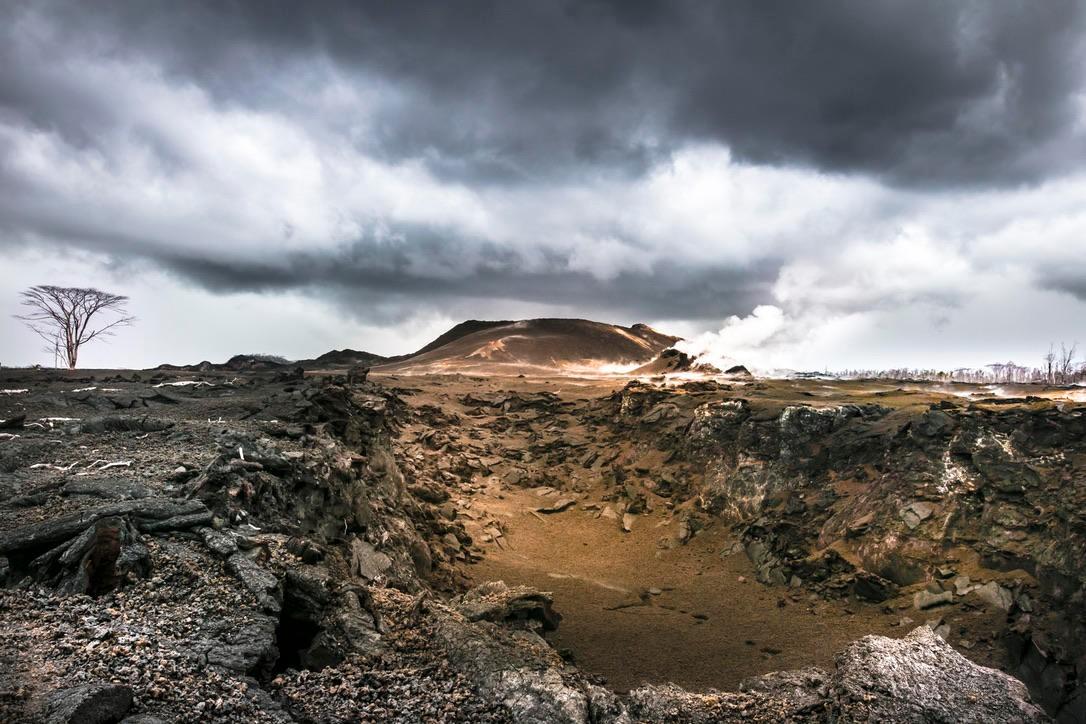
Top 14 Photography Tours in Wainaku, Hawaii

Wainaku, Hawaii

Wainaku sits on the calmer edge of Hilo Bay, a quiet launching point for photography tours that explore east Hawai‘i’s lush rainforests, dramatic waterfalls, and rugged coastline. These curated outings—ranging from sunrise shoots on Banyan-lined waterfronts to guided waterfall and macro sessions in nearby reserves—are shaped by frequent, shifting light and the island’s layered microclimates.

14
Activities
Year-round (microclimate-dependent)
Best Months

Top Photography Tour Trips in Wainaku

14 trips • Book with confidence • Instant confirmation

Why Wainaku Is a Standout Place for Photography Tours

Wainaku is often overlooked on maps in favor of postcard-ready Hilo, but for photographers the town’s quiet shoreline and immediate access to the island’s verdant interior make it a rare and generous base. Within a short drive from Wainaku you can oscillate between ocean light and rainforest shadow, trading the flat, reflective surface of Hilo Bay for the saturated green of fern-draped gulches and the glassy plunge pools beneath waterfall curtains. That constant contrast of exposure — oceanwide highlights and deep, humid shadow — is a photographer’s education in seeing light.

What distinguishes photography tours centered around Wainaku is not just the variety of subjects, but the way local guides choreograph time and place to the island’s rhythms. Mornings here are often glassy and soft, the east-facing shore catching the first, cool rays before inland showers arrive; afternoons frequently become a study in dramatic skies where rain and sun duel along the Hamakua cliffs. Tours take advantage of these shifts: a sunrise waterfront session might emphasize reflections, long-exposures, and intimate portraits of banyan root textures, while a mid-day rainforest tour focuses on macro, understory compositions, and slow-shutter water studies when light filters through the canopy.

The cultural layer matters too. Photography tours in and around Wainaku commonly weave in local history and place names, helping photographers frame scenes with context—understanding why a gulch is sacred or how traditional taro lo‘i shape the land’s lines turns a pretty picture into a respectful record. Environmentally minded operators also lean on low-impact approaches (stay on designated paths, avoid disturbing wildlife, and practice leave-no-trace principles), which preserves the exact features photographers come to photograph.

Seasonality here is subtle but meaningful: Wainaku’s weather runs on microclimates that make any month potentially photogenic. Spring and fall often provide the most stable windows of light and fewer heavy downpours, but winter swells and storm-driven skies can yield intense mood and dynamic seascapes. For photographers, that unpredictability is part of the allure: it rewards patience, flexibility, and the willingness to chase light across a few different vantage points in a single day.

Tours are short-radius but high-yield: many photography circuits are within a 20–40 minute drive of Wainaku, letting you shoot sunrise on the bay and a waterfall in the same morning.

Guides often provide local gear knowledge—where to safely anchor a tripod on slippery lava rock, or the best vantage for long exposures without a shoreline glare.

Respect for cultural sites and private property is standard practice; good operators brief participants on local protocols and access limitations.

Activity focus: Guided photography tours—coastline, waterfall, rainforest, and cultural portraiture
14 matched photography experiences based in/near Wainaku
Short drives link seaside light with inland rainforests, maximizing varied opportunities in a half- or full-day
Microclimates mean variable weather—prepare for sun and showers in the same outing
Commercial shoots or drone work may require permits and operator coordination

Best Time to Visit

Best Months

AprilMaySeptemberOctoberNovember

Weather Notes

Wainaku sits in one of the island’s wetter zones; mornings are often calm and glassy while afternoons can bring localized showers. Trade winds and orographic rain shape fast-changing light—pack for sun and sudden rain.

Peak Season

Winter holiday season brings more visitors to Hilo-area attractions; sunrise vantage points may be busier then.

Off-Season Opportunities

Wet months reward photographers with saturated greens, fuller waterfalls, dramatic cloudscapes, and fewer tourists; just expect mud and more gear maintenance.

Frequently Asked Questions

Do I need permits to photograph in popular spots?

Most public viewpoints and roadside stops are free to photograph for personal use. Commercial shoots, large tripods in certain parks, and drone work may require permits—check Hawai‘i County and state park rules, and discuss with your tour operator.

Are tours beginner-friendly if I’m new to landscape photography?

Yes. Many operators run beginner-focused tours that teach composition, exposure for long exposures, and how to work safely in slippery environments. Tell your guide your goals so they adjust the pace and instruction.

When is the best time of day for photography in Wainaku?

Golden hours around sunrise and sunset are prime for coastal and bay shots. Waterfall interiors and rainforest macros often work best mid-morning when shafts of light penetrate the canopy; guides plan itineraries to match these windows.

Choose Your Experience Level

Beginner

Guided, low-intensity shoots focusing on composition basics, steady tripod use, and getting comfortable with light and exposure.

  • Sunrise reflections on Hilo Bay
  • Short Banyan Drive waterfront walk
  • Introduction to long exposures at a calm coastal point

Intermediate

Mixed-terrain tours that include short hikes to waterfall overlooks and macro-focused sessions in the rainforest understory.

  • Full-morning waterfall and pool long-exposure workshop
  • Rainforest macro and texture session
  • Coastal cliff compositions during variable weather

Advanced

Technical outings emphasizing low-light techniques, advanced composition, volcanic coast long exposures, night and astro work, or permit-based commercial shoots.

  • Volcanic coastline long-exposure and basalt texture study
  • Night sky and Milky Way sessions from dark-sky vantage points
  • Custom commercial or portrait shoots with permit coordination

Insider Tips & Local Knowledge

Always confirm access, parking, and local regulations with your operator; wetlands and private properties change access regularly.

Start early—mornings often offer calm water and soft light before inland showers build. Bring protective covers and silica packs; humidity is the stealth kit killer. When shooting waterfalls, scout safe tripoding spots and use a strap harness for your camera on slippery rock. If you plan drone work, check FAA rules and state park bans; many operators provide guidance or handle permits for commercial shoots. Finally, local hospitality matters: ask for place names and stories—context elevates an image from pretty to meaningful.

What to Bring

Essential

  • Sturdy tripod with a low center column option for uneven ground
  • Two camera bodies or at least one plus spare batteries (humid conditions drain power)
  • Multiple memory cards and a small dry bag for backups
  • Waterproof camera cover or rain sleeve and lens cloths
  • Reef-safe sunscreen, brimmed hat, and lightweight rain jacket

Recommended

  • Wide-angle lens (16–35mm) for coastline and rainforest interiors
  • Telephoto or 70–200mm for isolating details and distant cliffs
  • Neutral density filters and polarizer for long exposures and glare control
  • Microfiber towels and silica packets to manage humidity
  • Insect repellent and quick-dry hiking shoes with grip

Optional

  • Macro lens for understory and insect work
  • Portable LED panel or reflector for modest fill on portrait sessions
  • Waterproof field case for larger kit
  • Laptop or portable SSD for offloading large catalogs between shoots

Ready for Your Photography Tour Adventure?

Browse 14 verified trips in Wainaku with instant booking

Explore Top 15 Wainaku, Hawaii Adventures →