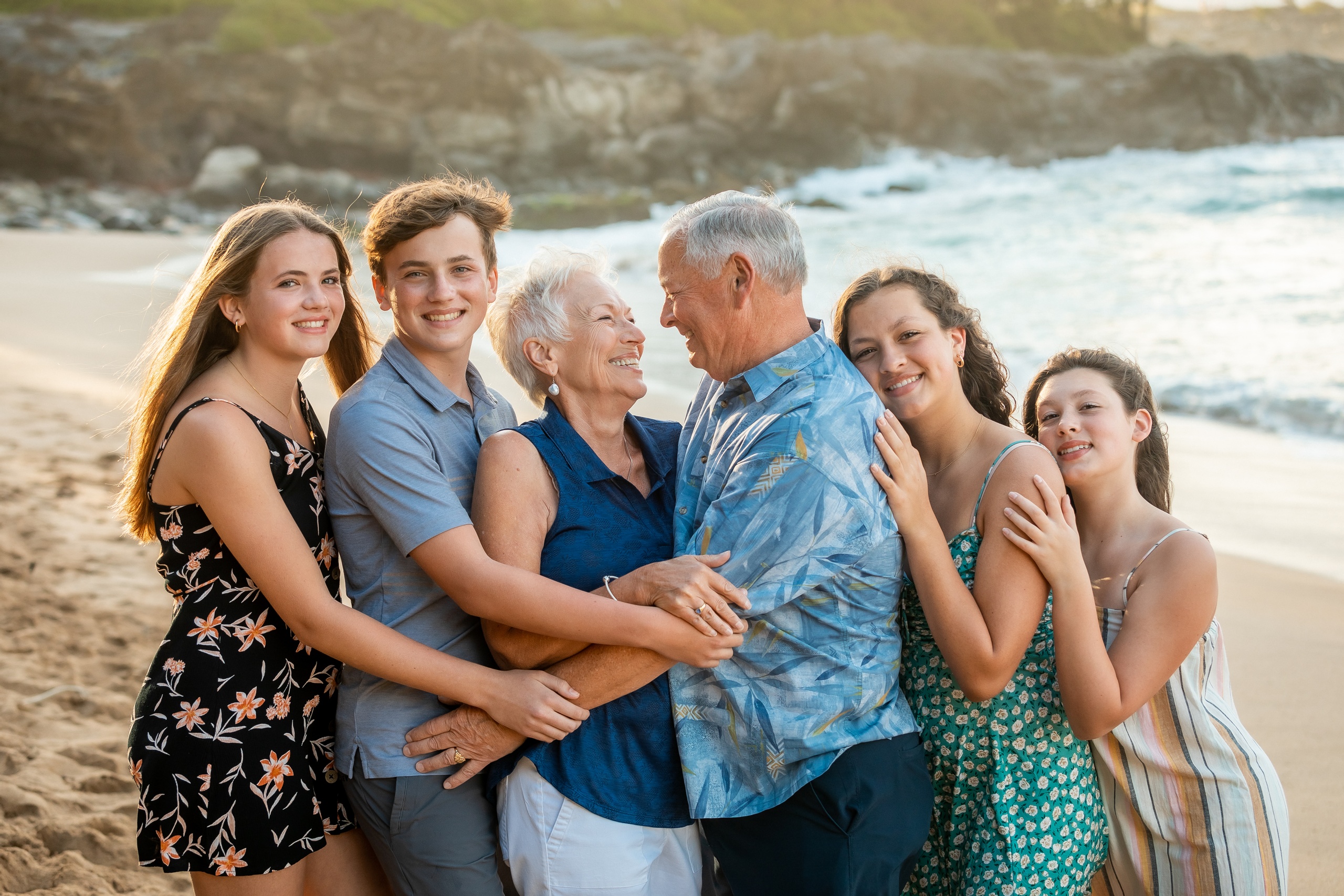
Photography Tours in Waimanalo, Hawaii
Waimanalo is where wide, luminous beaches meet dramatic trade-wind skies—an intimate laboratory for photographers who want to practice light, motion, and the quiet architecture of shoreline landscapes. Photography tours here range from sunrise beach walks that chase the first warm light across a coral-sand sweep to guided sessions at tidepools, ephemeral dune grasses, and Makapuʻu vantage points that frame crashing winter surf. Expect uncomplicated access, raw coastal color, and cultural layers—ancient heiau sites and modern kalo patches—that lend depth to each frame.
Top Photography Tour Trips in Waimanalo
70 trips • Book with confidence • Instant confirmation
Why Waimanalo Is a Standout Place for Photography Tours
On the windward flank of Oʻahu, Waimanalo strips away tourist gloss and leaves a simpler stage for photography: long arcs of beach, ironwood trees leaning inland, shallow reef flats that reflect early light, and the steady drum of trade winds. For a photographer the size of the landscape feels generous—there is room to breathe between subject and horizon, and that negative space becomes a compositional ally. Sunrise is the obvious magnet: before the sea fog burns off and before afternoon gusts pick up, the light here has a clean, warm directness that flatters wide-angle lenses and brings out the honeyed textures in coral sand. But the story of Waimanalo’s light is not only about soft pastels. Winter swell sculpts the shoreline into a theater of spray and motion, delivering raw, high-contrast scenes ideal for long exposures and action shooting.
Beyond straightforward seascapes, photography tours in Waimanalo are rich in intimate subjects. Tidepools brim with micro-landscapes—slick rock, miniature fauna, and refracted sky—that reward patience and low-angle approaches. Local birds, from plovers to terns, offer motion-study possibilities in the shallow surf. Cultural features—ancestral landforms, taro loʻi glimpsed inland, and small community churches—temper the landscape with human scale and history; a mindful guide will help you frame those elements with respect and story. Tours often fold in short walks to Makapuʻu Lookout for panoramic viewpoints, or to quieter coves for surf portraits and moody skies.
Practically, Waimanalo is accessible without technical climbing or long treks, which makes it an ideal place for mixed-ability groups and photographers who prefer to carry gear rather than pack light. Conditions are decisive: trade winds, sand, and salt demand a plan for protecting equipment, and tidal windows dictate whether certain compositions are possible. Local guides understand access points, cultural sensitivities, and the microclimates that shape each shoot—and they shorten the learning curve, helping photographers find the right light and keep gear safe. Combined with complementary activities—surf sessions for action photography, short hikes for high-vantage compositions, and birding for telephoto practice—Waimanalo photography tours offer both immediate visual payoff and a subtle invitation to study place, weather, and coastal ecology over repeated visits.
Tours suit a wide range of goals: family-friendly sunrise shoots, advanced landscape workshops on long exposures and filters, and focused sessions for surf or bird action photography.
The trade winds define daily rhythm—calm mornings give way to gusty afternoons—so scheduling around golden hour and tides is critical for reliable results.
Cultural context and coastal ecology are integral: responsible guides emphasize respect for private property, wahi kapu (sacred places), and reef conservation when planning shoots.
Best Time to Visit
Best Months
Weather Notes
Calmest mornings and clearest water are most common from late spring through early fall; afternoons regularly bring trade-wind breezes and occasional brief showers. Winter months (November–March) produce larger surf and dramatic skies, valuable for moody seascapes but requiring caution near the water.
Peak Season
Summer mornings (May–September) for calm seas and stable light; holiday weekends bring the most beachgoers.
Off-Season Opportunities
Winter offers fewer visitors and more dramatic surf for action and storm-sky photography. Midweek visits year-round increase solitude for composition and access.
Frequently Asked Questions
Do I need permits to photograph along Waimanalo beaches?
Most casual photography from public beaches and lookouts does not require a permit. Commercial shoots, drone usage, or large organized sessions may require permits—confirm with local authorities or your tour operator.
Can I fly a drone during a photography tour?
Drone rules are strict in many parts of Oʻahu. Some areas near lookouts and parks are restricted; commercial drone operation usually requires permits and coordination. Always check local regulations and ask your guide before launching.
How important are tides for planning a shoot?
Very. Low tides reveal tidepools and foreground texture; high tides can open dramatic surf lines but limit accessible foreground. Guides plan sessions around tidal windows to match creative goals.
Choose Your Experience Level
Beginner
Simple sunrise or sunset beach walks focusing on composition, basic exposure, and handheld shooting. Ideal for travelers with a standard kit who want strong images without complex gear.
- Sunrise seascape walk at Waimanalo Bay
- Tidepool beginner session at low tide
- Wide-angle beach composition primer
Intermediate
Guided half-day tours that introduce tripods, filters, long exposures, and timing for surf and bird photography. Expect short walks and some standing on wet sand; moderate gear load.
- Long-exposure surf workshop
- Bird and action telephoto practice
- Makapuʻu lookout panorama shoot
Advanced
Focused workshops for advanced techniques—ND stacking, high-dynamic-range landscapes, drone cinematography (where permitted), and tidepool macro. Sessions emphasize planning, post-processing, and precise timing.
- Advanced long-exposure and filter techniques
- Drone-based coastline composition (permitted areas)
- Tidepool macro and focus-stacking workshop
Insider Tips & Local Knowledge
Always verify weather, tidal charts, park rules, and any seasonal advisories before heading out.
Arrive before first light to catch the cleanest air and calmest sea; parking at Waimanalo Beach Park fills quickly on weekends. Sand and salt are the photographer’s persistent nemeses—use sealed bags, lens cloths, and a tripod with wide, sand-friendly feet. Coordinate with a local guide to find lesser-known coves and to learn about culturally sensitive sites—many locations near the coast are of historical importance and deserve respectful distance. For surf and action shots, keep a safe distance from breaking waves and never turn your back on the ocean. If you plan drone work, ask your operator about no-fly zones and coastal bird nesting seasons. Finally, bring patience: the best compositions often come after waiting for the right light, the right wave, or a bird to enter the frame.
What to Bring
Essential
- Camera body and at least one flexible lens (wide-angle 16–35mm or equivalent plus 24–70mm)
- Sturdy tripod with sand-friendly feet
- Spare batteries and multiple memory cards
- Lens cloth and sealed plastic bags for protection from salt spray
- Sun protection, water, and reef-safe sunscreen
Recommended
- Polarizing filter and neutral-density filters for long exposures
- Telephoto or 70–200mm for birds and surf action
- Remote shutter release and lens hood
- Waterproof cover or camera rain sleeve
- Small towel and washable booties or water shoes
Optional
- Macro extension or dedicated macro lens for tidepool details
- Compact drone (check local rules and respect no-fly zones)
- Portable power bank
- Notebook or phone app for tide charts and golden-hour timing
Ready for Your Photography Tour Adventure?
Browse 70 verified trips in Waimanalo with instant booking
Explore Top 15 Waimanalo, Hawaii Adventures →