1

Boat Rentals in Waimanalo, Hawaii — Bay Days and Island Shores

Waimanalo, Hawaii

Waimanalo’s long crescent beach and turquoise shallows are an invitation to get off the sand and onto the water. Boat rentals here range from small skiffs and rigid inflatables to center-console day boats and guided charter options that thread between nearshore reefs and offshore islets. Whether you want a calm morning of glassy snorkeling, an afternoon chasing pelagic birds and seasonal whales, or a sunset cruise beneath Makapuʻu’s dramatic headland, Waimanalo puts anglers, snorkelers, and sightseers in direct contact with the coastal marine world. Conditions can be placid one day and wind-sculpted the next, so local timing, reef awareness, and basic seamanship make for better—and safer—days on the water.

54
Activities
Year-round (calmest seas typically April–October)
Best Months

Top Boat Rental Trips in Waimanalo

54 trips • Book with confidence • Instant confirmation

Why Waimanalo Is a Standout Boat Rental Destination

There’s a specific quiet to Waimanalo that shows up at sea: the beach unfurls behind you like a slow green ribbon, and the water ahead is a layered palette — nearshore aquamarine, reef-edged turquoise, then a deeper Pacific indigo. Rent a small boat here and those colors become routes: shallow passes to the outer reef, reef trails that hem quieter snorkeling pockets, and short hops to the twin islets off Makapuu where seabirds roost and coral gardens cling to submerged ledges. Waimanalo sits on Oʻahu’s windward flank, which means the trade winds sculpt the water and the shoreline in predictable rhythms. In practice that makes for a distinct boating calendar: mornings can be glassy and ideal for gentle boat handling and snorkeling, while afternoons develop breezes that favor downwind runs and more confident skippers. That pattern gives rental operators a natural operating window and gives visitors options—early glassy swims, late-day wind-assisted cruises, and the chance to time trips around low light for vibrant reef life.

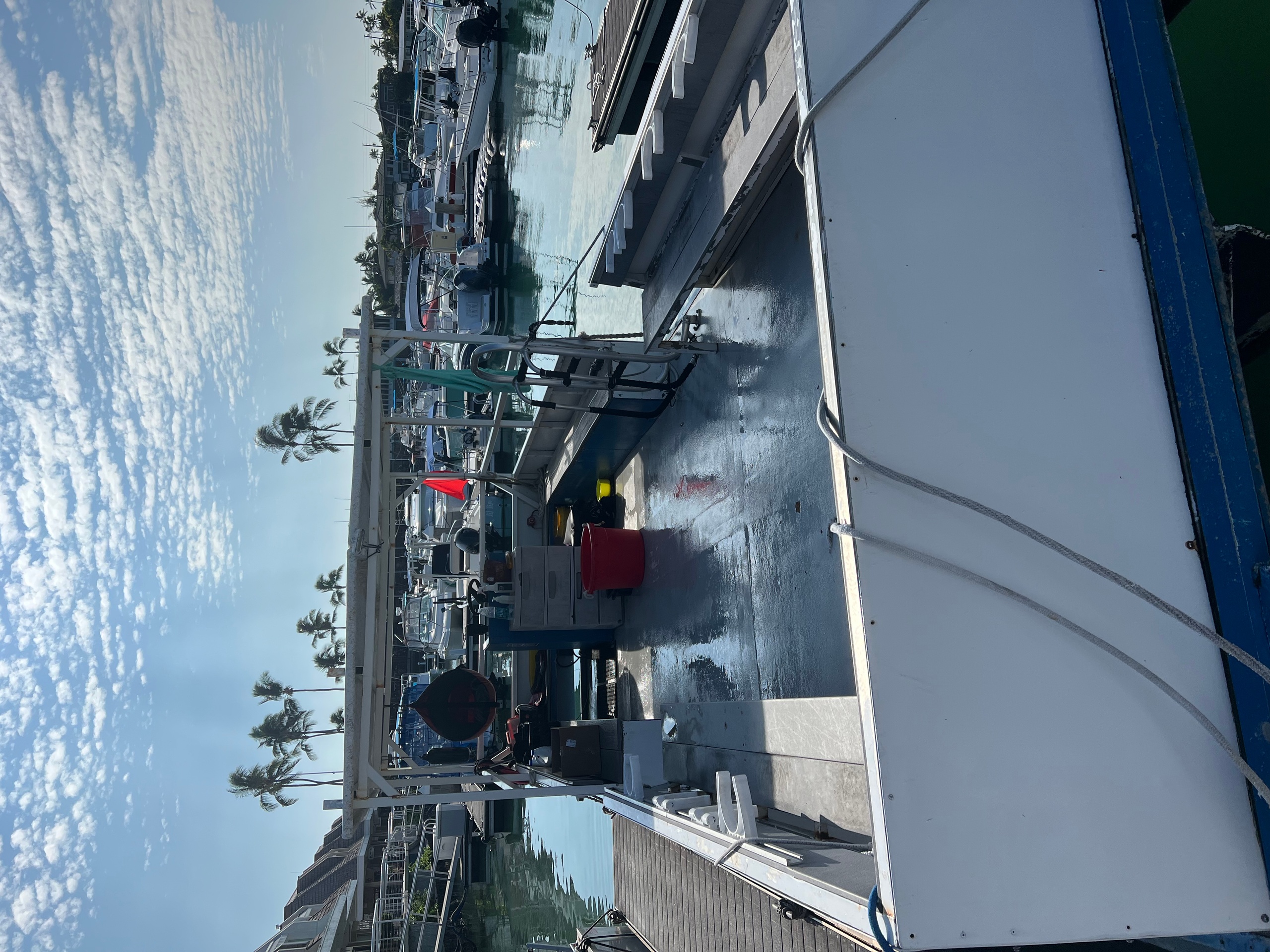
Boat rentals here are practical rather than flashy. The local fleet tends toward nimble day boats—center consoles, rigid inflatables, small cuddy cabins—that are well-suited to the bay’s reef lines and the short jaunts to nearby islets. For travelers this means flexibility: you can book an hourly skiff for a private snorkeling stop, a half-day for reef-hopping and a shoreline picnic, or a guided charter that includes local knowledge about currents, the best reef pockets, and cultural stories tied to the coast. The scale of operations keeps experiences intimate; unlike larger harbor towns, Waimanalo’s rentals feel neighborhood-rooted, often run by folks who grew up windward and read the swell and clouds like a map. That local touch is a major advantage when you want to blend recreation with respect for fragile reef ecosystems—operators commonly emphasize reef-friendly anchoring, reef etiquette, and where to find fish without damaging habitat.

Beyond the practical, boating from Waimanalo opens doors to complementary activities that enrich a day at sea. Snorkeling coral gardens shifts from a checklist task to an immersive hour of place-based discovery when you arrive by boat—less crowded, with immediate access to deeper ledges where turtles graze and reef fish patrol. Anglers will appreciate the quick access to pelagics and reef structure within a short run; seasonal migrations add another layer when ono, mahi-mahi, and occasional ahi chase bait nearshore. Kayak and paddleboard rentals share the same shoreline vocabulary, but a small motorboat extends range and timing, letting visitors catch sunrise light over Makapuʻu or chase the last warm glow on the way back to the beach. Human and natural histories are woven through every route—ancient fishponds down the coast, cetacean corridors in winter, and WWII relics just offshore—so a day on the water here reads like an intersection of ecology and culture.

For planning, the balance is simple and essential: know the day’s winds, choose a craft that matches your party’s skill and itinerary, bring reef-safe sun protection and reef-aware footwear, and lean on local operators for route and safety advice. With those pieces in place, Waimanalo’s water becomes a small-boat playground where the tempo of the trade winds, the clarity of the shallows, and a community’s coastal knowledge combine into a boating day that feels both effortless and distinctly Hawaiian.

Scale and accessibility: short boat runs mean you spend more time at reefs and islets and less time motoring—ideal for half-day rentals and repeat trips in a single stay.

Local stewardship: many operators emphasize reef-safe practices, educating renters on anchoring outside sensitive coral formations and using mooring where available.

Activity focus: Small-boat rentals, guided charters, and day trips
Short runs to Moku Nui and Moku Iki make for efficient snorkeling trips
Morning conditions are typically calmer; trade winds increase in the afternoon
Boat sizes commonly available: skiffs, RHIBs, small center consoles
Operators often provide basic safety gear and local route guidance

Best Time to Visit

Best Months

AprilMayJuneJulyAugustSeptemberOctober

Weather Notes

Waimanalo is boatable year-round but follows trade-wind rhythms. Winters (November–March) can bring larger swell and more northeasterly winds that favor sheltered mornings and choppier afternoons. Spring through fall typically yields calmer seas and clearer snorkeling visibility. Always check local marine forecasts and reef advisories before launching.

Peak Season

Summer months and holiday weekends see higher demand for rentals and guided charters; book in advance for preferred times.

Off-Season Opportunities

Winter can yield spectacular wildlife viewing—seasonal whale presence offshore—and lower weekday demand, but expect more variable sea states.

Frequently Asked Questions

Do I need a license to rent a boat in Waimanalo?

Requirements vary by operator and boat size. Many rental companies provide bareboat rentals for small skiffs without formal licensing but may require a short onboard safety orientation and proof of boating experience for larger vessels. Ask the operator about local rules and insurance coverage.

Are there protected reefs or no-anchoring zones I should know about?

Yes. Portions of the nearshore reef systems are ecologically sensitive and may have mooring buoys or recommended anchoring areas. Rental operators typically brief renters on where to anchor or suggest using moorings; follow reef-safe practices to avoid damaging coral.

Can I fish from a rental boat?

Recreational fishing is common, but you must follow Hawaiʻi state fishing regulations and size/limit rules. Confirm whether your rental includes fishing gear and whether the operator allows fishing from their boats.

Choose Your Experience Level

Beginner

Calm, short outings on sheltered days—ideal for families and first-time renters. Operators often provide instruction in basic boat handling and navigation.

  • Half-day snorkeling trip to nearshore coral pockets
  • Sunrise paddle and shallow bay cruise
  • Guided shore-to-boat beach picnic

Intermediate

Longer day trips that require basic seamanship and comfort with wind-influenced conditions. Can include simple navigation between islets and reef drops.

  • Full-day reef-hopping with multiple snorkel stops
  • Nearshore fishing and coastal exploration
  • Afternoon wind-assisted runs along the Windward coast

Advanced

Trips that push beyond the bay—requires confident boat handling, knowledge of local currents, and good weather judgment. Often best undertaken with a charter captain or experienced crew.

  • Offshore blue-water fishing excursions
  • Multi-stop circumnavigation including Makapuʻu headland
  • Wildlife-focused trips timed with whale season

Insider Tips & Local Knowledge

Local weather, reef protection rules, and operator practices change—always check current advisories and confirm details with your rental company.

Book early-morning launches for the calmest water and best snorkeling visibility. If you’re unsure about anchoring near coral, ask for a mooring or a sandflat drop—anchoring on coral damages habitat and is often avoidable. Bring reef-safe sunscreen and respect no-touch snorkel etiquette to help preserve reef life; many operators will direct you to less crowded reef pockets away from shore. If you plan to fish, confirm licensing and seasonal regulations in advance, and consider hiring a local guide for the best local knowledge of structure and tides. Finally, treat scheduling flexibly—trade winds and reef conditions can shift daily, and operators are usually happy to suggest the safest, most rewarding plan for the weather on launch day.

What to Bring

Essential

  • USCG-approved life jacket (many rentals supply these, but confirm before launch)
  • Reef-safe sunscreen and sun-protective clothing
  • Water, snacks, and sealed dry bag for electronics
  • Hat and sunglasses with retainer
  • Light first-aid kit and seasickness remedy if you’re prone

Recommended

  • Snorkel mask and fins (many operators rent gear, but a personal set fits best)
  • Water shoes for reef exits and rocky shorelines
  • Portable VHF or charged phone with emergency contacts
  • Wet bag or ziplock for keys and paper maps

Optional

  • Underwater camera or compact snorkel camera
  • Light day pack for a shore picnic on a nearby islet
  • Fishing tackle if planning to fish (confirm local rules)

Ready for Your Boat Rental Adventure?

Browse 54 verified trips in Waimanalo with instant booking

Explore Top 15 Waimanalo, Hawaii Adventures →