2

Whale Watching in Wailea-Makena, Hawaii

Wailea-Makena, Hawaii

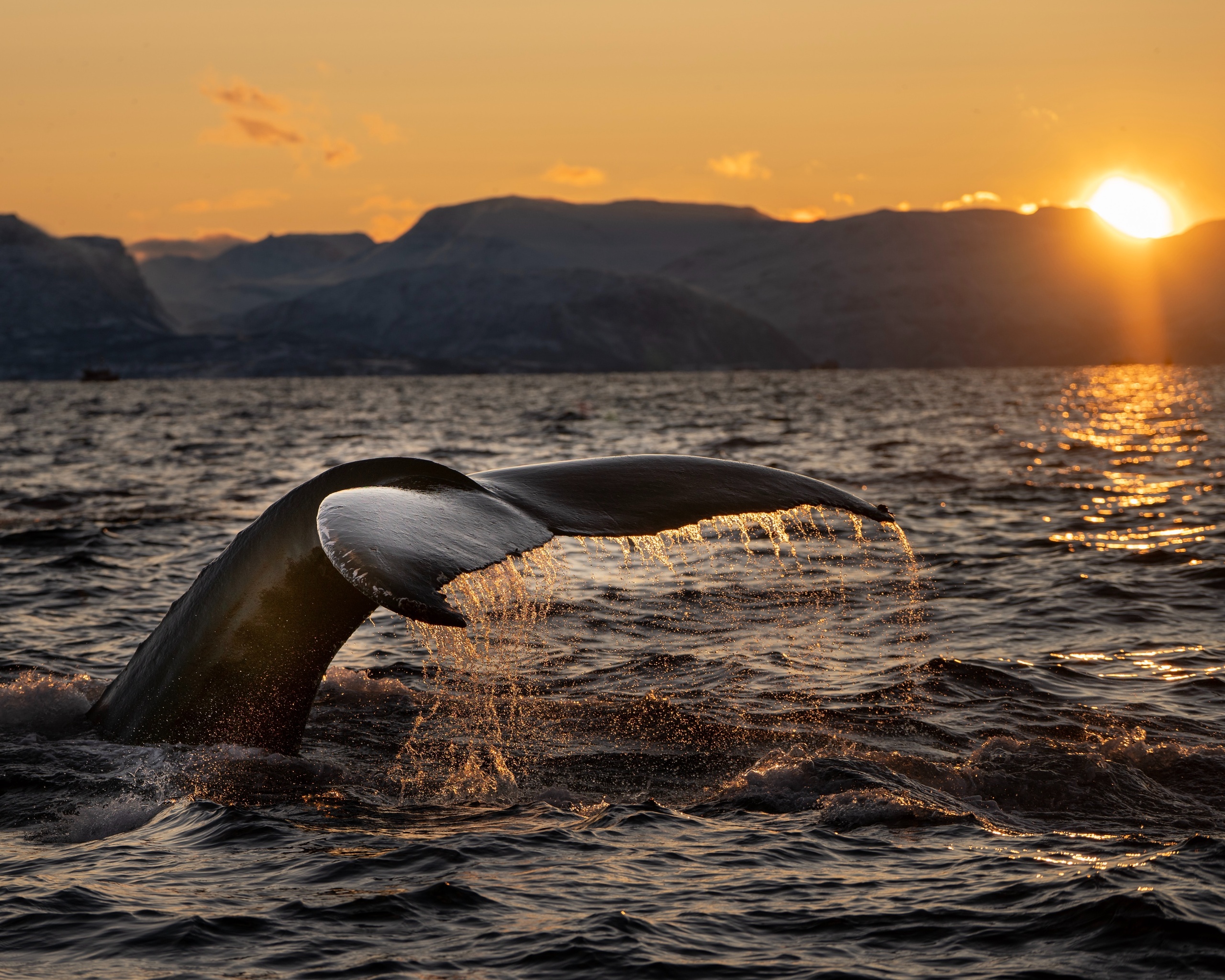
Each winter, the blue-gray backs and arching flukes of North Pacific humpback whales transform the calm blue shelves off Wailea and Mākena into one of the most reliable whale-watching theaters on Earth. From the protected inshore waters to the deep troughs of the Auau Channel, whale-watch trips range from short, family-friendly coastal cruises to full-day ocean voyages that chase breaching pods and nursing mothers. This guide focuses on what to expect for whale watching specifically in the Wailea-Makena area—how the animals use the nearby channels, the best months to go, vessel and viewing options, and how to combine a whale trip with snorkeling, coastal hikes, or a sunset sail.

77
Activities
December–April
Best Months

Top Whale Watch Trips in Wailea-Makena

77 trips • Book with confidence • Instant confirmation

Why Wailea-Makena Is a Standout Whale Watch Destination

The south shore of Maui—between the manicured resorts of Wailea and the raw lava beaches of Mākena—sits adjacent to a remarkable marine funnel: the Auau Channel. This deep, protected swath of ocean between Maui, Lānaʻi and Molokaʻi creates warm, nutrient-moderated pockets that humpback whales favor as breeding and calving grounds each winter. For visitors, that means encounters of a different scale than coastal spotting alone. Pods here display a mix of behaviors—mothers and calves nursing in protected bays, males competing in competitive groups, and juveniles practicing acrobatics—that produce both intimate bay sightings and explosive open-ocean breaches. The landscape around Wailea-Makena helps, too: relatively gentle seas close to shore, many sheltered anchorages, and a coastline where private and commercial operators can access varied habitats within a short run.

But the draw isn’t only biological. Whale watching in Wailea-Makena folds into Hawaiian cultural and environmental layers that enrich the experience. Local guides often open trips with a respectful orientation: the Hawaiian name for humpback, kohola, and the ancestral stories that link ocean mammals to navigation, kinship, and seasonal cycles. Conservation is part of the narrative. Maui’s whale season is a success story of decades-long protections—commercial whale-watch guidelines, speed restrictions in certain channels, and public education programs—that have allowed populations to rebound after 20th-century declines. A modern whale-watch trip can therefore feel like both a wildlife encounter and a small, ritualized lesson in stewardship.

For planners, Wailea-Makena’s whale season is a practical gift. Visitation aligns with winter holidays and quieter shoulder seasons for resort stays, so combining a whale trip with snorkeling trips to Molokini, a sunrise hike on Haleakalā, or a coastal bike ride creates a layered itinerary. The variety of vessels—from nimble rib boats that edge close to surface action, to stabilized catamarans offering hot coffee and shade—means visitors can choose comfort level, photo needs, and accessibility. On calmer days, kayakers and paddleboarders launching from Keawakapu and Makena Beach can occasionally view distant blows from shore, while certified eco-operators run interpretive trips that double as soft-science tours, teaching call identification, behavior interpretation, and how to spot signs of calf-rearing vs. competitive groups.

Seasonal nuance matters. The whales arrive in force in December, build through January and February, and can still be widespread in April, but the highest density of mothers with calves and the most predictable surface displays often cluster in mid-winter months. Weather and swell conditions are generally gentler on the south shore than exposed north-facing coasts, but winter swells and trade-wind shifts can create bouncy crossings; choose your vessel and operator accordingly. For photographers, early-morning trips usually yield the glassiest water; afternoon cruises can offer dramatic light and sunset sandwiches with active groups. Finally, mindful viewing is essential: operators who adhere to NOAA guidelines and state rules mitigate disturbance to resting calves and encourage long-term health of whale use in the area. In short, Wailea-Makena pairs world-class humpback access with the Hawaiian cultural framing and marine protection ethos that make whale watching here both thrilling and responsibly enriching.

Maui’s Auau Channel concentrates humpback activity—ideal for both short coastal cruises and longer chases—making Wailea-Makena a logistically convenient base for whale-focused itineraries.

Combine a whale trip with Molokini snorkeling, a coastal hike through Mākena State Park, or a sunset sail to maximize ocean time and balance active and relaxed experiences.

Activity focus: Whale watching (humpback whales / kohola)
Seasonal peak: December–April (highest density Jan–Mar)
Number of local whale-watch options: 77 experiences matching the region
Common vessel types: rigid-hulled inflatables (RIBs), catamarans, smaller tour boats
Complementary activities: snorkeling at Molokini, coastal hiking, paddleboarding, sunset sails

Best Time to Visit

Best Months

DecemberJanuaryFebruaryMarchApril

Weather Notes

The south shore of Maui tends to have milder winter seas than exposed northern coasts, but winter swell and occasional wind shifts can make crossings choppy. Early mornings usually offer calmer water and cleaner light for photography.

Peak Season

January–March are the busiest and most reliable months for active surface behaviors and calf observations.

Off-Season Opportunities

May through November sees fewer humpbacks but offers excellent snorkeling clarity, calm seas, and lower visitor density. Some operators run year-round eco-cruises focusing on other marine life.

Frequently Asked Questions

Do I need a special permit to go whale watching?

No permit is required for passengers on commercial whale-watch trips. Operators are licensed and should follow NOAA and state guidelines for safe distances and conduct.

How close can boats get to whales?

Operators follow federal and state regulations that define approach limits and behavior near whales; this typically keeps vessels at a respectful distance unless wildlife approaches the vessel. Guides often slow or stop engines to minimize disturbance.

Can I see whales from shore in Wailea-Makena?

Yes—on calm days you can sometimes spot blows and flukes from elevated shore points and beaches such as Mākena Beach and Ahihi-Kinau Natural Area Reserve, but boat trips greatly increase the chance of close behavioral encounters.

Choose Your Experience Level

Beginner

Short, comfortable catamaran or motor-cruise trips suited for families and travellers wanting a relaxed viewing experience.

  • 1.5–3 hour coastal whale watch catamaran
  • Half-day interpretive cruise with onboard naturalist
  • Sunset whale-watch combo cruises

Intermediate

Half-day to full-day outings, often combining whale watching with snorkeling or extended channel runs; moderate sea conditions possible.

  • Full-day Auau Channel chase with snorkeling stop
  • High-speed RIB tour for active viewing and photography
  • Combined Molokini snorkel + afternoon whale watch

Advanced

Multi-activity sea days or private charters where you plan a tailored route into deeper waters; may include longer transit times and rougher seas.

  • Private charter with dedicated wildlife-focused itinerary
  • Photographer-focused long-range RIB trip
  • Marine-research style eco-cruise with extended observation windows

Insider Tips & Local Knowledge

Book early for January–March, bring layered clothing, and choose an operator that emphasizes responsible viewing.

Choose the vessel type to match your goals: catamarans for comfort and shade, RIBs for agility and close-photo opportunities. Morning trips typically mean calmer seas and crisp light; afternoon trips can deliver warmer temperatures and dramatic skies. If you’re prone to seasickness, take medication ahead of time — crossing the channel can be rough on some days. Respect local guidance about whale disturbance: never attempt to touch or feed animals, and follow the instructions of the crew. Combine a whale trip with a Molokini snorkel or a Mākena coastal hike to round out your ocean day. Finally, support operators who contribute to local conservation or education programs—your ticket can help fund the long-term protection of kohola in Hawaiian waters.

What to Bring

Essential

  • Windproof layer and sun protection — mornings can be cool on the water
  • Motion-sickness medicine if you’re prone (take 30–60 minutes before departure)
  • Binoculars and a telephoto lens for photography
  • Reusable water bottle and small waterproof bag for essentials
  • ID and any booking confirmations

Recommended

  • Light jacket or fleece for early-morning or sunset trips
  • Sunglasses with retainer and hat (secured or tethered)
  • Small camera with fast shutter speed or a phone with a secure strap
  • Sea sickness bands as a drug-free option

Optional

  • Waterproof phone case or dry pouch
  • Compact abrasion-resistant gloves for RIB trips
  • Field guide or app for marine life ID

Ready for Your Whale Watch Adventure?

Browse 77 verified trips in Wailea-Makena with instant booking

Explore Top 15 Wailea-Makena, Hawaii Adventures →