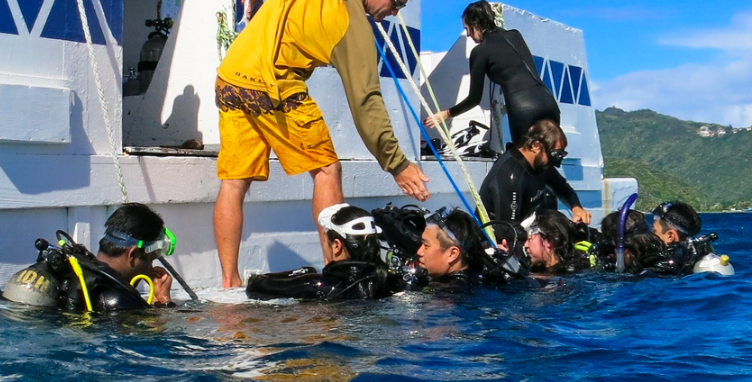
Top Scuba Adventures in Wailea-Makena, Hawaii
Wailea-Makena is a diver’s theater—lava-formed reefs, volcanic pinnacles, clear blue bowls, and a cast of tropical fish, green sea turtles, and seasonal humpback whales that transform Maui’s south shore into one of Hawai‘i’s most varied scuba playgrounds. Boat launches from Wailea and Makena carry divers out to Molokini’s crescent crater, into sheltered Turtle Town reefs, and along the rugged Ahihi-Kinau coastline where underwater lava flows become walls, arches, and swim-throughs. This guide focuses on scuba-specific planning: where to dive, when the seas cooperate, what local conditions look like, and how to choose an operator for safe, high-quality dives.
Top Scuba Trips in Wailea-Makena
141 trips • Book with confidence • Instant confirmation
Why Wailea-Makena Is a Standout Scuba Destination
The underwater terrain off Wailea-Makena reads like a short course in Pacific geology and tropical ecology. Where the shoreline is young lava rock and scrub, the reef immediately drops away into clear basins and sculpted pinnacles—features that make each dive distinct. Molokini Crater, a partially submerged volcanic caldera two miles off shore, is the marquee site: a protected marine preserve with walls of coral and consistent visibility that attracts photographers and new divers alike. Closer to shore, Turtle Town’s patch reefs and caverns offer shallow, fish-packed dives that are ideal for long bottom times and relaxed navigation. Meanwhile, the Ahihi-Kinau Natural Area Reserve shows a rawer side of Maui diving—shore entries through black lava fields lead to underwater arches, lava tubes, and dramatic relief that tell the island’s volcanic story.
What sets Wailea-Makena apart is the variation within a small radius. On any given day a short run from Makena Landing will deposit divers in glassy reef bowls or slightly deeper drift routes that reward good positioning and an eye for fish behavior. The biological draw is equally compelling: abundant reef fish, well-distributed hard and soft coral communities, frequent green sea turtles, and seasonal visits from spinner dolphins and humpback whales. For photographers, the combination of shallow, well-lit reefs and occasional pelagic visitors makes Maui’s south shore unusually productive. For divers focused on technique, there are wrecks, swim-throughs, and current-work dives that sharpen buoyancy, drift-entry, and team communication.
Cultural context is woven into the experience. Traditional Hawaiian practices emphasize respect for the ocean—kapu and mālama ʻāina (care for the land and sea)—and many local operators foreground stewardship, reef-safe practices, and education about protected areas. Visit with that mindset: avoid touching coral, move carefully around turtles, and use reef-safe sunscreen. Practically, the diving is operator-driven. Shore access exists, but most of the best sites are reached by short boat runs; that means choosing a captain and crew who understand local currents, landing zones, and marine reserve regulations. Weather and swell patterns shape the possibilities: summer tends to deliver calmer seas and excellent visibility, while winter can bring larger swells, stronger currents, and higher surge—conditions that change site selection and make experienced guides more valuable.
Ultimately, Wailea-Makena is an inviting mix of approachable reef dives for certified beginners and demanding topography for experienced divers. Its compact geography means you can sample a range of environments in a few days: sunrise shore dives, mid-morning Molokini runs, and afternoon sessions that chase the best light for wide-angle photography. That diversity, combined with a tourism infrastructure that supports quality operators, camera-friendly conditions, and a conservation-minded local ethic, places Wailea-Makena on the short list for divers who want variety without long transit times.
The variety is immediate: protected crater walls, shallow turtle gardens, lava arches, and occasional deep drop-offs are all reachable from Wailea or Makena launches.
Seasonality shifts the mood more than the opportunity: summer brings calmer seas and clearer visibility; winter increases swell and can introduce stronger currents and bigger swell-dependent sites.
Conservation matters here—many prime sites are marine reserves with restricted activity; choose operators who brief on local rules and practice low-impact diving.
Best Time to Visit
Best Months
Weather Notes
Summer months generally bring calmer seas, improved visibility, and more predictable boat access; winter can bring larger swells and stronger currents that limit site selection. Morning launches often offer the calmest water and the best light for photography.
Peak Season
Summer through early fall is the busiest period for recreational diving due to calm conditions and tourism peaks.
Off-Season Opportunities
Winter weekdays can offer quieter boats and the chance to see seasonal marine life (including humpback whales from December to April), but expect variable sea states and modified itineraries.
Frequently Asked Questions
Do I need to be certified to scuba dive in Wailea-Makena?
Yes. Shore and most boat dives require Open Water certification at minimum. Many operators offer guided experiences for recently certified divers, while advanced or drift dives may require Advanced Open Water or logged experience.
Are dive operators regulated or specially permitted?
Many of the primary sites are marine protected areas with site-specific rules. Choose operators who are licensed, provide clear briefings on reserve regulations, and emphasize low-impact diving practices.
Can non-divers still enjoy underwater life?
Absolutely—snorkeling, glass-bottom boat tours, and guided snorkel excursions to Molokini and Turtle Town are widely available and often operate on the same boats used by dive operators.
Choose Your Experience Level
Beginner
Shallow reef dives with gentle slopes, calm conditions, and long bottom times when conditions are favorable. Ideal for newly certified divers who want sheltered spots and relaxed navigation.
- Protected reef loop in Turtle Town
- Molokini shallow reef dives (with operator guidance)
- Guided shore dive in Ahihi-Kinau (when sea state permits)
Intermediate
Dives that introduce current management, moderate depth, and varied topography—swim-throughs, small pinnacles, and slightly deeper reef walls that reward buoyancy control and good air consumption.
- Pinnacle dives around Molokini walls
- Drift sections along Makena reef
- Underwater arch and swim-through exploration in Ahihi-Kinau
Advanced
Higher-current sites, deeper wall dives, and excursions that require navigation skills, solid buoyancy, and experience with boat operations and safety protocols.
- Current-influenced drift dives off La Perouse Bay
- Deeper drop-off and wall dives from liveaboard-style day trips
- Technical photo shoots near pinnacles and surge zones
Insider Tips & Local Knowledge
Book early for Molokini slots, follow reef-safe practices, and respect seasonal regulations and closures.
Morning launches are the gold standard—calmer water, better light, and fewer boats crowding prime sites. Molokini fills fast; reserve a spot with a reputable operator who limits party size and briefs thoroughly. If you’re shooting photos, bring wide-angle lenses and a bright strobe for color at depth; plan a surface interval rotation to protect gear and stagger camera time. Watch for boat launch logistics—Makena Landing and Wailea ramps can be busy, so arrive early to park and check in. Ask operators about recent conditions and alternative sites: if Molokini is rough, the south shore often has protected inshore options. Support operators who emphasize conservation—many contribute to reef restoration, citizen science programs, and community education. Lastly, the local ocean can change quickly; trust the experience of your captain and dive guide, and carry dive insurance for peace of mind.
What to Bring
Essential
- Certified scuba certification card and logbook
- Mask, snorkel, and fins (operator rental available but personal fit is best)
- Dive computer or timing device and depth gauge
- Reef-safe sunscreen and sun protection
- Light rain/wind shell for early-morning boat rides
Recommended
- Thin hood or 3mm wetsuit (water temperatures vary with season)
- Surface marker buoy (SMB) and whistle for surface signaling
- Underwater camera or dive housing for wide-angle shots
- Small waterproof dive light for swim-throughs and crevices
- Dive knife or cutting tool secured per local rules
Optional
- Glove liners for cooler days (check local regulations before use)
- Reusable water bottle for boat days (operators often refill)
- Ear drops for sensitive ears after long surface intervals
Ready for Your Scuba Adventure?
Browse 141 verified trips in Wailea-Makena with instant booking
Explore Top 15 Wailea-Makena, Hawaii Adventures →