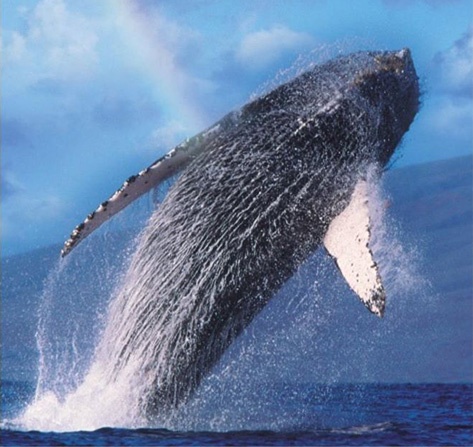
Top Whale-Watching Adventures in Waikoloa Village, Hawaii
Waikoloa Village sits on the sun-swept Kohala Coast, a calm launching point for wintertime encounters with the North Pacific humpback whales that congregate in Hawaiian waters. Whale-watch outings here combine easy access, knowledgeable local guides, and a high probability of memorable surface behaviors—breaches, tail slaps, and close mother-calf pairs—during the peak winter months. This guide focuses on planning, timing, and what to expect from whale-watching operators and land-based vantage points near Waikoloa.
Top Whale Watch Trips in Waikoloa Village
60 trips • Book with confidence • Instant confirmation
Why Waikoloa Village Is a Standout Whale-Watching Destination
There’s an arresting geometry to watching humpbacks from the leeward shore of Hawai‘i Island: a flat horizon, the slow amphitheater of the ocean, and then—astonishingly—giant arcs of white-backed muscle that puncture the surface. Waikoloa Village is not a cluttered harbor town; it’s a low-key gateway to the Kohala Coast where winter seas collect whales that migrate from Alaska to calve, nurse, and sing. The coastline’s relative shelter creates calmer day-boat conditions than exposed west-coast harbors, which raises the odds for stable viewing and for photographers chasing clean exposures of tails and pectoral fins.
Beyond the convenience of short transfers from resort areas, the whale-watch culture here is a blend of scientific stewardship and aloha. Many operators run naturalist-led cruises that layer biology, behavior, and conservation into the experience—so a good trip is as much an education as spectacle. Guides explain identification cues (blow shape, tail markings), playback of humpback song where regulations allow, and the legal distances maintained to protect mothers and calves. That interpretive thread makes each sighting feel threaded into a larger ecosystem: spinner and bottlenose dolphins often appear alongside, and the region’s reefs and seabird colonies form a wider coastal story that rewards longer itineraries or follow-up snorkeling and kayak trips.
Seasonality shapes expectations. The whale season is concentrated in the cooler months—roughly December through April—when animals arrive to breed and calf. Peak months bring a steady cadence of surface activity; outside of those months sightings drop but the ocean still offers encounters—dolphin pods, sea turtles, and offshore seabirds—often with smaller crowds and calmer seas. Land-based vantage points near Anaehoomalu Bay and along the Kohala Coast are an underrated supplement: a binocular watch at dawn may net spouts or distant breaches on days when a short cruise is fully booked or the seas are too rough for small craft.
For travelers, the practical benefits add up. Waikoloa’s compact infrastructure—lodging, rental services, and easy road access to nearby harbors—lets you combine a half-day whale cruise with afternoon snorkeling, a shoreline hike, or a cultural visit to nearby historical sites. That flexibility makes Waikoloa ideal for families or photographers who want to pair a wildlife-heavy morning with other coastal activities. Ultimately, whale watching here is about presence: the slow patience of waiting, the suddenness of a breach, and the quiet sense of witnessing a story that begins thousands of miles away and briefly centers on Hawai‘i’s warm waters.
Conservation and regulation are integral to the experience. Commercial operators work under federal and state guidelines to avoid stressing animals—expect strict approach distances and naturalist commentary about behavior and best practices for viewing.
Whale watching in Waikoloa pairs naturally with other ocean activities: snorkeling reef systems in the afternoon, joining a manta ray night dive off nearby Kona, or taking a coastal hike to land lookout points for an alternative, low-cost viewing option.
Best Time to Visit
Best Months
Weather Notes
Leeward Kohala Coast tends to be drier and more sheltered than windward sides; winter months bring cooler mornings and the highest whale densities. Sea conditions can vary—mornings are often calmer, afternoons sometimes bumpier as winds build.
Peak Season
2026-01-01 to 2026-03-31
Off-Season Opportunities
May–November sees fewer humpbacks but offers calmer seas, better ocean clarity for snorkeling, and more availability for private charters and dolphin-focused trips.
Frequently Asked Questions
Do I need to book whale-watch tours in advance?
Yes—during peak months (Jan–Mar) operators can sell out days in advance. Booking at least a few days ahead is recommended, and consider early-morning departures when conditions are calmer.
Are whale-watch trips suitable for children?
Many operators welcome children, but age limits vary by vessel. Shorter, larger-boat cruises are generally the most family-friendly. Expect to follow safety briefings and life-jacket rules.
Can I swim with or approach whales directly?
No. Federal and state regulations protect marine mammals; boats and swimmers must keep legal distances to avoid disturbing or endangering whales. Commercial operators follow NOAA guidelines and will not approach animals in ways that stress them.
Choose Your Experience Level
Beginner
Short, large-boat cruises with stable platforms and interpretive narration—ideal for families and first-time watchers.
- Half-day large-boat whale-watch with naturalist
- Land-based viewing at Anaehoomalu Bay at dawn
- Sunrise binocular watch from a coastal overlook
Intermediate
Longer offshore trips or smaller-boat excursions (rigid-inflatable or fast catamarans) that get you closer to surface behavior while still following distance rules.
- 3–4 hour zodiac or catamaran whale-watch with photo stops
- Combined dolphin-and-whale half-day charter
- Photography-focused tour with experienced skipper
Advanced
Custom or private charters and expedition-style days that combine dedicated photography, survey-style observation, or multi-species excursions for experienced sea-goers.
- Private charter for focused photography and behavior study
- Full-day naturalist expedition combining whale watching and pelagic birding
- Charter that pairs whale watching with remote snorkeling sites
Insider Tips & Local Knowledge
Check weather, sea conditions, and operator cancellation policies before you go.
Book morning departures for the calmest water and the best chances of surface activity. If you’re prone to seasickness, take medication at least 30–60 minutes before boarding and choose larger-vessel cruises when possible. Bring a strap for your sunglasses and camera—windy decks will carry anything unsecured. Ask operators about their naturalists and whether local researchers are on board; trips that prioritize education tend to be more patient and respectful of animal behavior. If a boat trip isn’t possible, head to Anaehoomalu Bay or nearby coastal lookouts at dawn or late afternoon; binoculars and a keen eye will reward you with distant blows and breaches. Finally, combine a whale-watching morning with afternoon snorkeling on calmer days—many visitors find the contrast between the giants of the surface and colorful reef life gives a fuller picture of Hawai‘i’s marine richness.
What to Bring
Essential
- Motion-sickness medication or wristbands (take before boarding)
- Layers (windproof jacket and warm mid-layer)
- Sun protection: reef-safe sunscreen, sunglasses with strap, hat
- Reusable water bottle and light snacks
- Binoculars and a camera with a secure strap
Recommended
- Small dry bag for phone/wallet
- Waterproof phone case or camera cover
- Compact binoculars for distant behaviors
- Lip balm and small towel
Optional
- Telephoto lens or fast zoom for photography
- Notebook for field notes and sketching
- Light gloves for cooler mornings
Ready for Your Whale Watch Adventure?
Browse 60 verified trips in Waikoloa Village with instant booking
Explore Top 15 Waikoloa Village, Hawaii Adventures →