Top 25 Hiking Adventures in Waiākea, Hawaii
Waiākea sits on Hilo’s humid, green flank of the Big Island, where rainforest ridges foreshorten into ribboned stream valleys and a short drive can take you from coastal tidepools to thundering falls. Hiking here is intimate: shaded singletrack through fern-carpeted gullies, ridge walks revealing ocean glimpses between cloud-washed trees, and waterfall circuits that reward sweat with plunge pools and rainbows. This guide collects the 25 best hikes that capture Waiākea’s wet-side character—easy waterfall walks, moderate ridge traverses, and more committed ventures that push into neighboring volcanic landscapes.
Top Hiking Trips in Waiākea
25 trips • Book with confidence • Instant confirmation
Why Waiākea Is a Distinctive Hiking Destination
Waiākea’s hiking identity is shaped by water—streams, constant mist, and falls that swell without warning after mountain showers. On Hilo’s eastern flank, trade winds push moisture up the slopes, feeding a dense mosaic of cloud forest, fern groves, and ʻōhiʻa-dominated ridgelines. Trails here feel close: you pass under dripping leaves, skirt narrow gulches, and almost always hear water somewhere nearby. That intimacy makes hikes shorter but richer; a half-day route can deliver several distinct ecosystems, from lava-broken coastal benches to moss-draped upland trails where native birds still call.
There’s also a cultural layer to every step. Waiākea is part of a living ahupuaʻa system—land divisions that run from the mountains to the sea—so trails often intersect sites of cultural practice, taro lo‘i, and historic waterlines. Respect for these places matters: local guides and signage will point out wahi pana (storied places) and remind hikers of mālama ʻāina—care for the land. This perspective changes how you hike here. It’s not only a sequence of views but a chance to sense how communities have long read and used this landscape.
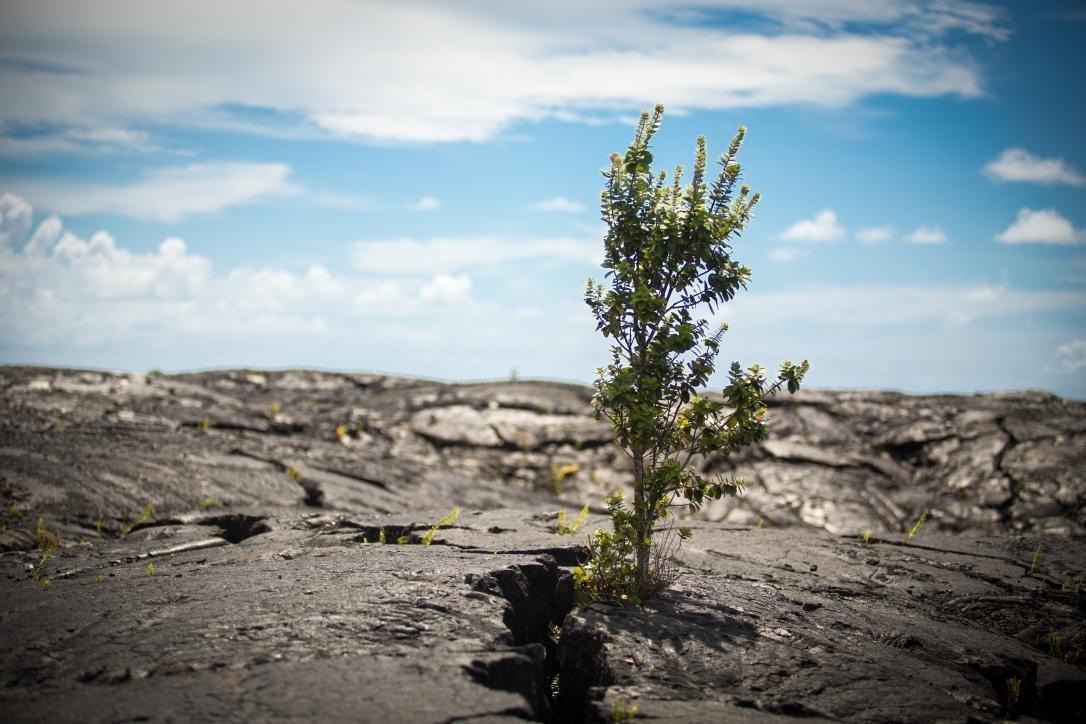
Terrain is varied but clear in its demands. Expect slick roots and mud on rainforest tracks, porous lava fields near the coast that can be sharp on poor footwear, and steep stream crossings after rain. Elevation changes are often sudden rather than prolonged: short, steep rises reward you with an overlook and then drop back into a gorge. Because of the island’s compactness, a day can quickly move from humid, sea-level humidity to cool, wind-swept ridgelines. That variability is part of the appeal—hikes feel layered, as if you’re moving through microclimates.
Complementary activities amplify the hiking experience. Waterfall swims and beginner canyoning make the water-centric routes more adventurous; birdwatching and botany walks are fruitful in the upland patches of native forest; a short drive opens access to Hawaii Volcanoes National Park for long volcanic traverses and black-sand coastal hikes. Practically, Waiākea is excellent for mixed itineraries: plan morning hikes for cooler, clearer weather, pair an easy waterfall loop with an afternoon of local markets in Hilo, and reserve a full day for any approach into the park. The result is a hiking destination that feels both relaxed and richly varied—perfect for travelers who want immediate access to wild, wet, and storied trail experiences.
The hiking network around Waiākea supports a range of outings: shaded waterfall loops and coastal strolls for beginners, mid-length ridge circuits that test footing and stamina for intermediate hikers, and full-day expeditions that connect to volcanic landscapes for advanced adventurers.
Because the region is shaped by frequent rain and rapid weather shifts, practical preparation—good traction, rain gear, and an awareness of stream conditions—transforms an unpredictable environment into a reliably rewarding one.
Best Time to Visit
Best Months
Weather Notes
Waiākea is verdant for a reason: trade winds and orographic lift produce frequent showers, especially November–March. Spring and fall tend to offer more stable trade-wind patterns and slightly drier windows. Afternoon squalls are common year-round—plan hikes for morning hours and expect quick temperature and visibility changes on ridges.
Peak Season
Holiday periods (late December–early January) and summer months see higher visitor numbers in Hilo-area parks and trailheads.
Off-Season Opportunities
Wet-season hikes (late fall through winter) bring fuller waterfalls and fewer crowds; take extra caution around swollen streams and muddy sections.
Frequently Asked Questions
Do I need permits for most hikes?
Most day hikes around Waiākea and nearby public parks do not require permits. Overnight backcountry trips—especially within Hawaii Volcanoes National Park—may require permits and registration. Always check the managing agency (county park, state park, or national park) before planning overnight travel.
Are trails suitable for beginners?
Yes. Waiākea offers many short, well-maintained waterfall loops and coastal paths appropriate for casual hikers and families. Choose routes with minimal elevation gain if you prefer gentler outings.
How early should I start popular hikes?
Start hikes at or before sunrise when possible. Early starts reduce the chance of afternoon showers, improve wildlife sightings, and help secure limited parking at popular trailheads and waterfall pullouts.
Choose Your Experience Level
Beginner
Short, mostly level walks with clear signage—great for families, photographers, and travelers seeking easy access to waterfalls and coastal views.
- Rainbow Falls short loop
- Lovingly maintained riverside nature walks
- Coastal tidepool strolls near Hilo Bay
Intermediate
Half-day trails with steeper pitches, muddy or rooty singletrack, and occasional stream crossings. Good fitness and steady footwear recommended.
- Waiākea Uka ridge circuits
- Akaka Falls plus an extended rainforest loop
- Mixed coastal-to-forest day hike
Advanced
Full-day routes or multi-terrain expeditions that demand route-finding, endurance, and sometimes creeks/river fording. Some link up with volcanic terrain or remote backcountry zones.
- Long volcanic-forest traverses into Hawaii Volcanoes National Park
- Extended ridge-to-coast linkups requiring route planning
- Remote stream valleys and backcountry overnight approaches
Insider Tips & Local Knowledge
Check trail status and weather forecasts before you go. Waiākea’s wet-side climate can make dry trails suddenly treacherous.
Start early to beat the heat and afternoon showers; morning light also brings the best chances to see native birds. Expect muddy sections and bring footwear you don’t mind getting wet—slick roots and volcanic gravel are common. After heavy rain, avoid fording swollen streams: water levels can rise quickly. Carry a small dry bag for electronics and pack out all trash—many cultural sites and streams are protected by local stewardship. If you plan to swim under waterfalls, assess the flow and look for submerged hazards; local advice from park staff or guides is invaluable. Finally, remain flexible: weather windows shape the best days to hike, and a short drive may open a completely different microclimate—so have a plan B and enjoy the variety that Waiākea’s mountains-to-sea landscape offers.
What to Bring
Essential
- Sturdy trail shoes with good grip
- At least 1–2 liters of water and high-energy snacks
- Light waterproof shell and quick-dry layers
- Navigation: offline map or GPS app
- Sun protection (hat, sunscreen) and insect repellent
Recommended
- Trekking poles for steep or muddy descents
- Small first-aid kit and blister care
- Dry bag or waterproof cover for electronics
- Microspikes or sticky-soled shoes in the wettest months
Optional
- Swimsuit and quick-dry towel for waterfall pools
- Binoculars for native bird and seabird viewing
- Field guide or app for native plants and ʻōhiʻa recognition
Ready for Your Hiking Adventure?
Browse 25 verified trips in Waiākea with instant booking
Explore Top 15 Waiākea, Hawaii, United States Adventures →