Top Fishing Adventures in Waiākea, Hawaii
From basalt-lined shorelines and quiet estuary mouths to the open swell of Hilo Bay, Waiākea offers a compact but varied fishing scene. Anglers come for easy shore-casting, accessible pier and surf spots, and short charters that put you on nearshore pelagic grounds. This guide breaks down where to fish, when to go, what to bring, and how to match the technique to the tide, season, and local customs.
Top Fishing Trips in Waiākea
6 trips • Book with confidence • Instant confirmation
Why Waiākea Is a Standout Fishing Destination
Waiākea sits at the gentle intersection of land and Pacific swell where lava-formed coastline, a narrow stream system, and a sheltered bay create concentrated opportunities for anglers. In a few minutes you can move from a black-rock shore that calls for surfcasting to a small harbor where charter skippers bait hooks for nearshore bites, or stroll ankle-deep at a stream mouth to try light tackle on small schooling fish. That compactness—different fishing terrain within a short drive or even a long walk—defines Waiākea’s appeal: it’s an ideal place to learn the rhythms of Hawaiian coastal fishing without committing to a multi-day expedition.
Fishing here blends practical coastal know-how with a cultural backdrop that dates back centuries. Traditional Hawaiian fishing (laulima with the sea) emphasized reading currents, respecting seasonal abundance, and honoring place. Modern angling in Waiākea carries traces of those practices in informal local rules—ask before casting from private or sacred shoreline, take only what you need, and favor techniques that minimize reef damage. The landscape itself is instructive: black basalt cliffs funnel currents and create pockets of shelter where baitfish gather, while reefs and submerged lava create structure that concentrates predators. Offshore, Hilo’s proximity to deeper water means pelagic species can be within a relatively short run, making half-day charters practical for visitors.
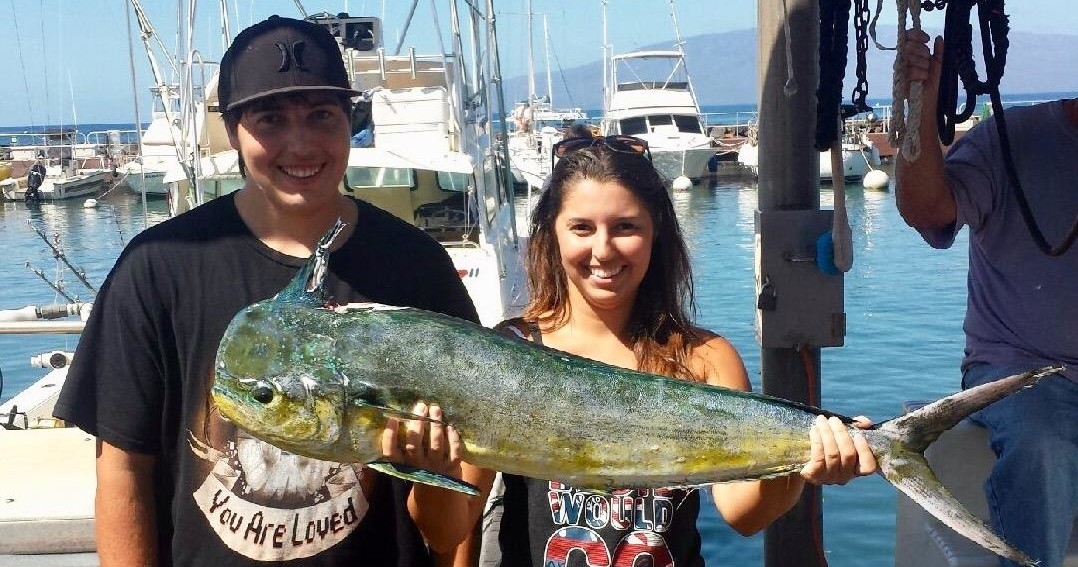
Seasonality is less dramatic here than in higher-latitude fisheries, but timing matters. Warmer months tend to concentrate pelagic targets like mahi-mahi and tuna, while winter swells can tilt activity toward sheltered spots and shore fishing from protected coves. Rainfall—common in Hilo’s microclimate—alters stream mouths and nearshore clarity, improving or complicating access depending on the conditions. For planning, the checklist is simple: match technique to terrain (light spinning gear for rocky points, heavier tackle and live baits for nearshore reefs and pelagic runs), watch tides and weather, and choose local guides for offshore outings if you want the most productive and safest experience.
Beyond the strike, Waiākea’s fishing pairs easily with complementary coastal pursuits. A morning spent casting from the lava should end with a snorkel over the same reef to see the habitat you just fished; a calm afternoon charter can be followed by a visit to Hilo’s markets to have fresh fish prepared the local way. For travelers, Waiākea’s scale is its advantage—you can sample multiple techniques in a single trip and leave with a practical feel for Hawaiian coastal fisheries rather than a single isolated experience.
Accessible variety: shore, pier, estuary, reef and short-run nearshore charters make Waiākea productive for anglers of all levels.
Local conditions: small changes in swell, tide, or stream discharge often determine where fish concentrate—observe and ask local anglers.
Cultural and environmental context: respectful, low-impact fishing honors local practice and preserves fragile reef and estuary habitats.
Best Time to Visit
Best Months
Weather Notes
Waiākea and Hilo see frequent showers; mornings are often calmer and clearer for offshore runs. Trade winds pick up seasonally and can influence swell and chop—check marine forecasts before heading out.
Peak Season
Summer months (May–September) draw more charters and inshore activity for pelagic species.
Off-Season Opportunities
Winter offers quieter shore spots and opportunities to fish protected coves and estuaries; heavy north swells may close exposed spots but create excellent sheltered fishing elsewhere.
Frequently Asked Questions
Do I need a license to fish in Waiākea?
Regulations vary by species and water type. Freshwater fishing and certain protected areas may require permits; saltwater recreational rules can change. Check current Hawaiʻi Division of Aquatic Resources regulations and local advisories before fishing.
Can I fish from shore if I’m a beginner?
Yes. Waiākea offers accessible spots for beginners—look for protected coves, the Hilo Harbor area, or guided shore sessions. Start with light tackle, wear sturdy shoes, and ask locals about safe entry points.
Should I hire a guide for offshore trips?
For nearshore and pelagic fishing, hiring a licensed local charter is the safest way to reach productive grounds and learn where fish are biting. Guides also provide gear, bait, and safety equipment.
Choose Your Experience Level
Beginner
Introductory shore and pier fishing with simple tackle and minimal watercraft exposure. Good for families and casual anglers.
- Pier or harbor casting
- Rocky shore surfcasting in protected coves
- Estuary mouth light-tackle fishing
Intermediate
Short nearshore charters, reef fishing from small boats, and targeted shore sessions that require better gear and an understanding of tides and structure.
- Half-day nearshore charter for mahi-mahi and tuna
- Reef fishing from a skiff or guided shore wade
- Tide-window targeting of structure-based predators
Advanced
Blue-water gamefishing, long-range runs, and technical reef tactics that require heavier tackle, navigation experience, and strong weather judgment.
- Full-day offshore trolling for marlin and larger tuna
- Advanced live-bait reef tactics
- Multi-species strategy days combining reef and pelagic techniques
Insider Tips & Local Knowledge
Respect local rules, check marine forecasts, and favor low-impact techniques to protect reefs and estuaries.
Talk to Hilo skippers and shore anglers for up-to-date bite info—local knowledge is invaluable. Mornings often deliver calmer seas and cleaner water; after rainfall, avoid fishing sensitive stream outlets and give reefs time to recover if visibility is poor. Use reef-safe sunscreen and avoid anchoring on fragile coral; carry a bucket or cooler for legal-sized catches and consider sharing excess with local cooks or markets rather than wasting fish. If you head offshore, confirm your charter’s safety equipment, communication devices, and plan for sea conditions. Finally, ask permission before crossing private property or culturally significant sites to reach shore spots—courtesy goes a long way in small coastal communities.
What to Bring
Essential
- Light- to medium-action rod and spinning reel (6–20 lb depending on target)
- Assorted terminal tackle: hooks, leaders, swivels, weights, floats
- Polarized sunglasses to read water and protect eyes
- Reef-safe sunscreen and sun protection (hat, long-sleeve shirt)
- Water, snacks, and a dry bag for electronics
Recommended
- Pliers, fillet knife, and good-nosed pliers for hook removal
- Small cooler with ice for keeping catches fresh
- Wading shoes with good grip for lava and rocky shorelines
- Phone with offline maps and tide app
- Small first-aid kit
Optional
- Light tackle for estuary/stream fishing
- Sea sickness remedies for boat trips
- Camera with waterproof housing for action shots
- Handheld VHF radio or personal locator beacon for offshore outings
Ready for Your Fishing Adventure?
Browse 6 verified trips in Waiākea with instant booking
Explore Top 15 Waiākea, Hawaii, United States Adventures →