Boat Tours in Wahiawa, Hawaii
Wahiawa sits inland on Oʻahu, but it’s a practical jumping-off point for a surprising range of boat tours that thread the island’s coastal stories together—reef snorkeling trips, marine-wildlife watching, private charters to secluded bays, and cultural shoreline cruises. Expect short-haul small-boat excursions that prioritize marine life, reef protection, and local knowledge as well as larger, comfortable day-boat options that connect windward coves with Oʻahu’s broader coastal history and ecosystems.
Top Boat Tour Trips in Wahiawa
395 trips • Book with confidence • Instant confirmation
Why Wahiawa Is a Smart Base for Boat Tours
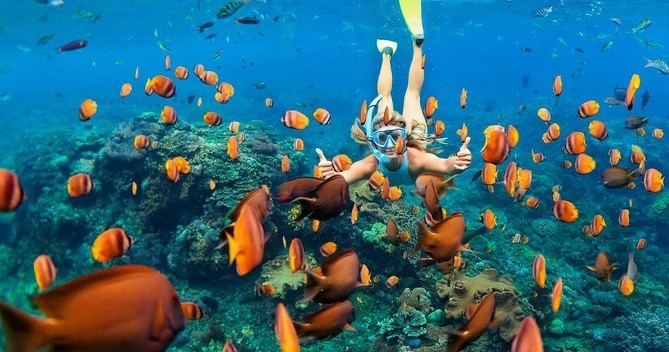
Wahiawa’s landscape—an upland town surrounded by sugarcane-era roads and freshwater reservoirs—belies the marine worlds it helps adventurers access. From this central foothold you can reach contrasting coastal environments within an hour: the tranquil, emerald shallows of Kaneohe Bay, the reef-fingered inlets of the windward shore, and the surf-sculpted north-facing coastline. Boat tours that operate from launch points around Wahiawa combine the island’s cultural shoreline stories with an immediacy to marine life. Guides interpret sacred ahupuaʻa (land-sea divisions), point out traditional fishing sites, and slow the pace enough for snorkelers and photographers to notice the detail in coral gardens, reef fish, and the occasional sea turtle or spinner dolphin.
Practically speaking, boat tours from the Wahiawa region are defined by variety. You’ll find short, comfort-focused harbor cruises ideal for families and older travelers; nimble, zodiac-style eco-tours that thread reef passages and prioritize wildlife encounters; and private-charter options for freedivers, photographers, or groups seeking a tailored itinerary. Seasonality shapes what you see. Winter months attract humpback whales along migratory paths and bring larger north swells, making offshore whale-watching and dramatic coastline viewing compelling but sometimes rough. Spring through fall tends to mean calmer seas and clearer water for snorkeling and reef survey trips. Local operators emphasize low-impact practices—anchoring in sandy pockets, using mooring buoys where available, and following NOAA and state guidelines for marine protected areas—to preserve fragile reef systems and culturally important shorelines.
Beyond the boat itself, tours dovetail with complementary outdoor activities: a morning paddle in a protected bay before a midday snorkel, a coastal bike ride that meets your charter for a sunset cruise, or a shore lunch at a beach park after a half-day expedition. For travelers who arrive via Wahiawa, the inland location offers practical staging—groceries, gear shops, and quieter lodging—so boat-based adventures can be paired with hikes to upland reservoirs, visits to local farms, and cultural stops at neighborhood ʻike (knowledge) centers. The experience is both local and elemental: water, wind, and reef, narrated by guides who balance adventure with stewardship.
Boat tours around Wahiawa are less about long-haul crossing and more about curated, coastal immersion—shorter transit times, more time on the water, and an emphasis on marine ecosystems.
Operators often combine education and recreation: lei greetings and cultural orientation blend into practical briefings on marine safety, reef etiquette, and seasonal wildlife behavior.
Best Time to Visit
Best Months
Weather Notes
Calmer seas and clearer water are most common in late spring through early fall, which favors snorkeling and reef-focused tours. Winter brings larger swells on the north shore and the arrival of migrating humpback whales — excellent for whale-watching but sometimes rough for small boats. Trade winds are a constant factor on Oʻahu and can influence afternoon comfort and sea state.
Peak Season
Winter (December–March) for whale season and holiday travel; summer months for family-oriented snorkeling trips.
Off-Season Opportunities
Shoulder months (spring and fall) can offer fewer crowds, good visibility, and lower prices. Winter weekday departures may provide intimate whale encounters with smaller crowds when conditions permit.
Frequently Asked Questions
Do I need to book boat tours in advance?
Popular weekends and whale-season trips fill fast—book ahead for peak dates. For small, private charters, reserve as early as possible to lock preferred launch times and itineraries.
Are tours suitable for children and non-swimmers?
Many operators offer family-friendly cruises with life jackets and limited water access. Snorkel-focused trips usually require basic swimming comfort; check with the operator about flotation options.
How can I avoid seasickness?
Choose larger-hull vessels for smoother rides, take preventive medicine or use acupressure bands, stay hydrated, and focus on the horizon. Morning departures often have calmer seas.
Choose Your Experience Level
Beginner
Comfort-focused harbor cruises and larger day-boat tours with minimal activity beyond sightseeing and light snorkeling from the boat.
- Coastal cultural cruise
- Family-friendly harbor sightseeing
- Short snorkeling float with guided surface time
Intermediate
Half-day snorkel trips to reef gardens, wildlife-watching excursions requiring basic swimming, and small-boat tours that anchor for guided water time.
- Reef snorkel and marine education trip
- Dolphin- and turtle-spotting zodiac tour
- Sunset cruise combining shoreline history and light snorkeling
Advanced
Private charters, technical snorkeling or freediving trips, overnight sails, and trips that require physical readiness, advanced swim skills, or a willingness to handle rougher offshore conditions.
- Private multi-stop reef survey or photo charter
- Freediving sessions with experienced guides
- Offshore whale-watching with extended transit
Insider Tips & Local Knowledge
Respect protected areas, follow your guide’s reef etiquette, and check weather and sea conditions before you go.
Book morning departures when possible—winds typically pick up in the afternoon, and mornings often mean calmer water and clearer visibility. Ask operators about mooring buoy use to avoid anchoring on coral. If you’re prone to seasickness, choose larger boats or schedule a quick harbor cruise first to test your tolerance. Bring reef-safe sunscreen and avoid touching coral or wildlife; many areas have legal protections and cultural sensitivities around shorelines and fishing grounds. Combine a half-day boat tour with a land-based activity—an early kayak in a protected bay, a shoreline walk at low tide, or a visit to a local farmer’s market—to build a full-day experience without rushing. Finally, communicate your goals with the operator (photography, snorkeling, wildlife watching) so they can tailor the route and surface intervals to maximize the experience.
What to Bring
Essential
- Light waterproof jacket and sun protection (hat, sunscreen with reef-safe formula)
- Seasickness prevention (patch, pills, or acupressure bands) if you’re prone
- Swimwear and quick-dry layer to change into
- Reusable water bottle and snacks if not provided
Recommended
- Snorkel mask with prescription lenses or fitted mouthpiece for comfort
- Water shoes or reef-safe sandals with good grip
- Waterproof phone case or small dry bag
- Polarized sunglasses for glare reduction and spotting wildlife
Optional
- Underwater camera or compact action cam
- Light travel towel and fresh clothes for post-trip
- Small binoculars for distant whale or seabird viewing
Ready for Your Boat Tour Adventure?
Browse 395 verified trips in Wahiawa with instant booking
Explore Top 15 Wahiawa, Hawaii Adventures →