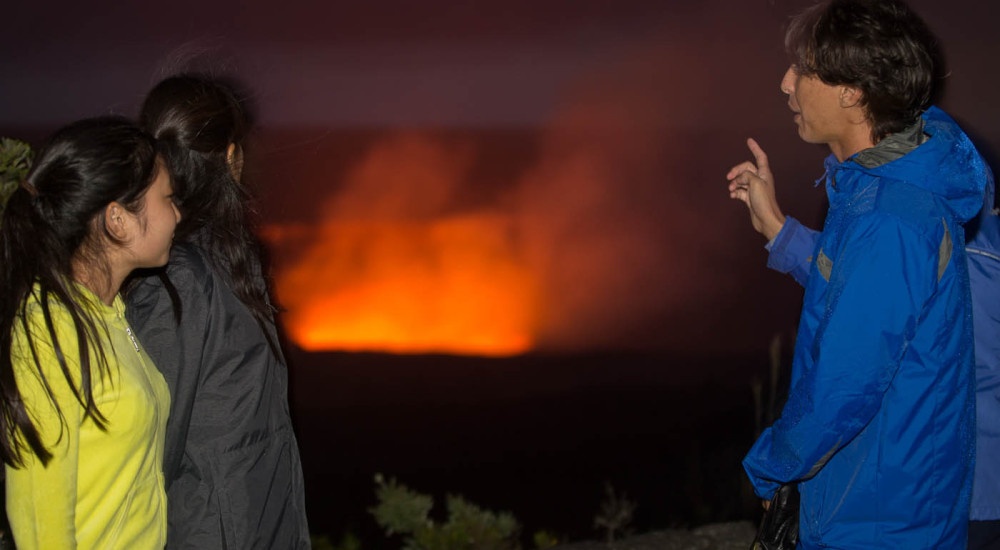
Top 14 Photography Tours in Volcano, Hawaii

Volcano, Hawaii

Volcano, on Hawaiʻi Island, is a portrait of elemental contrasts: smoldering calderas, glassy new rock, lush fern forests, and coastal edges that meet the Pacific. Photography tours here focus on dramatic light, geological storytelling, and mastering low-light shooting for lava glow and nightscapes—paired with rainforest frames and intimate cultural scenes. These tours are as much about timing and technique as they are about where to stand.

14
Activities
Year-Round (best clarity during drier months; early mornings and nights are prime for glow photography)
Best Months

Top Photography Tour Trips in Volcano

14 trips • Book with confidence • Instant confirmation

Why Volcano Is a Standout Photography Destination

Volcano is one of the few places on Earth where a camera can truly witness the planet building itself. The landscape here is active in both geological and atmospheric senses: steam rises from vent fields, fresh pahoehoe ruffles into complex textures, and rainforest canopies drip with liquid light after brief tropical showers. For photographers, the attraction extends beyond the raw spectacle of lava; it’s the way light meets raw rock, how the forest frames the caldera, and how weather and time of day transform scenes from austere to otherworldly.

Photography tours in Volcano are designed around those transformational moments. Guides choreograph outings to coincide with the low-angle warmth of sunrise, the graphic contrasts of midday when steam and ash create soft diffused backdrops, and the black-sky drama of night when incandescent lava and starfields compete for attention. Each outing is an exercise in timing: knowing when park access, viewpoint stability, and atmospheric clarity align. The variety within a short drive is remarkable—mossy tree ferns and lava-splattered trunks sit alongside miles of jagged flows and coastal cliffs, letting photographers sequence moods without long transit times.

But Volcano’s appeal is not purely visual. The landscapes are culturally layered—sacred sites, stories of Pele, and centuries of human adaptation to an ever-changing island. A thoughtful photography tour will give you context for the places you photograph, helping frame images with respect and meaning. Practically, Volcano offers a manageable base: the hamlet’s elevation tempers tropical heat, and highways connect to coastal beaches and park trails so a single itinerary can include sunrise mist in the rainforest, midday lava-field textures, and evening glow or astrophotography from high vantage points. For both novices and seasoned shooters, Volcano is a laboratory for light, scale, and patience.

Tours focus on technical skills (long exposures, low-light metering, focus stacking) and compositional storytelling—pairing geological features with cultural and botanical context.

Short drives and compact trail systems allow multiple light windows in a single day: dawn in the forest, midday at the caldera rim, and night at lava viewing or coastal cliffs.

Weather is a dynamic collaborator: trade wind shifts and passing squalls create dramatic clouds, plume effects, and sudden shafts of light—learn to anticipate and adapt.

Activity focus: Landscape, night, and lava-glow photography
14 curated tours available—half-day to multi-hour formats
Access often requires park entry; guided tours handle logistics and safety
Night photography and lava viewing depend on volcanic activity and visibility
Tour routes combine geological sites, rainforest trails, and cultural viewpoints

Best Time to Visit

Best Months

AprilMaySeptemberOctoberNovember

Weather Notes

Volcano's elevation brings cooler, often misty conditions compared with lower coastal zones. Drier months bring clearer skies and better night visibility; trade-wind shifts and local showers are common year-round. Lava glow visibility is weather-dependent—cold, clear nights improve contrast.

Peak Season

Summer months and holiday periods can be busier; weekend parking near popular park overlooks fills early.

Off-Season Opportunities

Weekdays in shoulder months offer solitude and flexible shot windows. Wet-season mornings can produce dramatic fog and mist portraits, rewarding patient shooters.

Frequently Asked Questions

Do I need permits for photography tours or commercial shoots?

Guided small-group tours for recreational photography typically do not require separate permits beyond park entry, but commercial shoots, drone usage, and professional film crews usually need permits—check Hawaiʻi Volcanoes National Park and local county regulations before booking.

Can I photograph lava flows up close?

Proximity to active lava is both hazardous and regulated. Distance requirements, unstable ground, toxic gases, and rapid changes in lava behavior make guided tours the safest option. Always follow ranger and guide instructions.

Are drones allowed during tours?

Drone operation is restricted in national parks and often prohibited near volcanic activity for safety and airspace reasons. Professional drone operators must obtain appropriate permits and check temporary flight restrictions.

What if volcanic activity changes during my trip?

Tour operators monitor volcanic updates and will alter or cancel outings if conditions are unsafe. Flexible scheduling and travel insurance are advisable for bookings centered on volcanic glow or lava views.

Choose Your Experience Level

Beginner

Introductory tours focus on composition, framing, and basic long-exposure technique in safe, accessible locations—great for travelers new to landscape or night photography.

  • Sunrise rainforest framing walk
  • Black-sand beach light studies (nearby tours)
  • Intro night-sky session with tripod basics

Intermediate

Tours emphasize advanced exposure control, bracketing, basic focus stacking, and composition for variable light—often visiting multiple sites in a day.

  • Caldera rim compositions and steam backlighting
  • Lava-field texture studies and mid-day contrasts
  • Combined sunset and night-lava glow sessions

Advanced

Specialized outings for skilled shooters: extended night timelapses, advanced focus-stacking for high-detail prints, and technical planning for unique volcanic phenomena.

  • Multi-hour lava-glow and astrophotography session
  • Technical timelapse projects across multiple vantage points
  • Custom workshops with post-processing critique

Insider Tips & Local Knowledge

Always check park alerts, volcanic activity updates, and weather forecasts before heading out. Respect cultural sites and keep a safe distance from vents and unstable ground.

Start shoots with a plan but stay ready to improvise—volcanic light and weather change quickly. Bring multiple lens options and test exposures in manual mode for steam and glow; auto modes often misread incandescent highlights. For night work, set white balance manually and expose for highlights to preserve lava detail; recover shadows in post if needed. If photographing cultural sites or community gatherings, ask permission and be prepared to listen—context makes stronger images. Book guided tours for lava viewing and nighttime shoots; experienced guides know safe vantage points, recent flow behavior, and the permits or closures you need to be aware of. Finally, leave time to wander—some of the best frames are quiet moments beneath a dripping fern or a roadside vista at golden hour.

What to Bring

Essential

  • Camera body and primary lens(es) — wide-angle and a mid-tele for detail
  • Sturdy tripod for long exposures and low-light work
  • Extra batteries and high-capacity memory cards (cold and long exposures drain power)
  • Weather-sealed bag or rain cover (sudden rains and volcanic steam are common)
  • Headlamp with red filter for night work
  • Park entry pass or reservation if required (confirm in advance)

Recommended

  • Wide-angle (14–35mm) and a 24–70mm or 70–200mm for framing versatility
  • Neutral-density and graduated-ND filters for volcanic steam and coastal light
  • Lens cloths and sensor-cleaning kit (fine ash can be present)
  • Remote release or intervalometer for long exposures and timelapses
  • Lightweight climbing gaiters and durable hiking shoes for uneven lava fields

Optional

  • Portable battery pack or power bank
  • Secondary camera body for redundancy
  • Small umbrella or poncho for sudden downpours
  • Circular polarizer to manage reflections in rainforest understory
  • Notebook and pen for location notes and exposure settings

Ready for Your Photography Tour Adventure?

Browse 14 verified trips in Volcano with instant booking

Explore Top 15 Volcano, Hawaii Adventures →