1

Air Activities in Volcano, Hawaii

Volcano, Hawaii

Volcano’s air activities compress the island’s geological drama into a single, cinematic perspective: caldera rims, lava-scarred flows, steam vents, and emerald rainforest all stitched together beneath a low, trade-wind sky. From small-aircraft scenic flights that swing low over Kīlauea’s summit to glass-cockpit tours tracing the coastline from sea to upland bog, airborne options turn the island’s scale into an intimate, moving portrait. Good for first-time flyers and seasoned aviators alike, air activities here require close attention to weather and regulations—visibility and wind define the day. The right flight delivers a layered sense of why the Hawaiian Islands exist: volcanoes rising from the deep, rivers of hardened lava, and rugged shoreline where the Pacific still carves the land. Complementary experiences include coastline hikes, crater-rim walks, guided geology tours, and rainforest canopy treks that continue the narrative the sky begins.

6
Activities
Year-round (weather and visibility dependent)
Best Months

Top Air Activities Trips in Volcano

6 trips • Book with confidence • Instant confirmation

Why Volcano Is a Standout for Air Activities

Perched on the island’s southeastern flank, Volcano occupies a rare intersection of volcanic spectacle and upland ecology. Seen from the ground, the landscape impresses with steam plumes, hardened pahoehoe ribbons, and fern-draped wet forest. From the air, those features articulate into readable forms: sinuous lava flows become ribbons cutting across dark plains; the crater’s rim reads like a scar on the earth; coastal cliffs and reefs show the ocean’s constant shaping. Flying above Volcano condenses continental-scale processes into a scene you can take in in an hour. That compression is the reason air activities here are more than tourist thrills — they’re interpretive experiences. Pilots and guides narrate the island’s birth, explain how diamond-hard lava changes texture as it cools, and point out the human settlements that have adjusted to—and occasionally been overtaken by—this active landscape.

Weather and wind patterns make Volcano especially compelling for pilots who prize variability. The area sits beneath trade winds that sweep moisture from the ocean up the slopes, creating cloud banks, orographic showers, and dramatic shafts of light. Those same winds can generate crosswinds and turbulence at low elevations, so the window for smooth, scenic flying narrows to mornings or transitional calm periods. That variability rewards planning: a dawn or late-afternoon flight often yields the most stable air and the richest light for photography. Seasonally, the island’s patterns are gentle compared with continental mountains, but even small shifts in wind direction can change whether a pilot can safely approach Kīlauea’s summit or skirt the coastline for reef views.

Air activities in Volcano emphasize small-group, small-aircraft operations. That scale keeps flights flexible and responsive to rapidly changing conditions and allows approaches that feel intimate without sacrificing safety. Overflight rules and national park protections shape routes and altitudes; operators work within those boundaries to craft experiences that are both dramatic and respectful of conservation goals. For travelers, the key trade-off is clarity: the clearest days offer unforgettable panoramas, while hazy or windy days may produce cancellations. This makes contingency planning essential—pair an airborne reservation with ground-based alternatives such as guided crater-rim walks, lava-field treks, or cultural tours so a weather day still becomes an adventure.

Ultimately, Volcano’s air activities are an argument for perspective. They let visitors understand the island’s scale and energy in a way a single trail or overlook cannot. Whether you’re watching steam rise like a ghostly column from the caldera or following a coastline where reef geometry becomes legible from above, flying here rewrites your map of Hawai‘i into a layered, living geology lesson.

Small, nimble aircraft and experienced pilots enable low and slow observation over key features—caldera rims, lava fields, and rainforest mosaics—while following park-prescribed corridors and altitude restrictions.

The best flights are often scheduled around dawn or late afternoon to avoid trade-wind turbulence and to take advantage of directional light; always plan for weather-related changes and have ground-based backup activities.

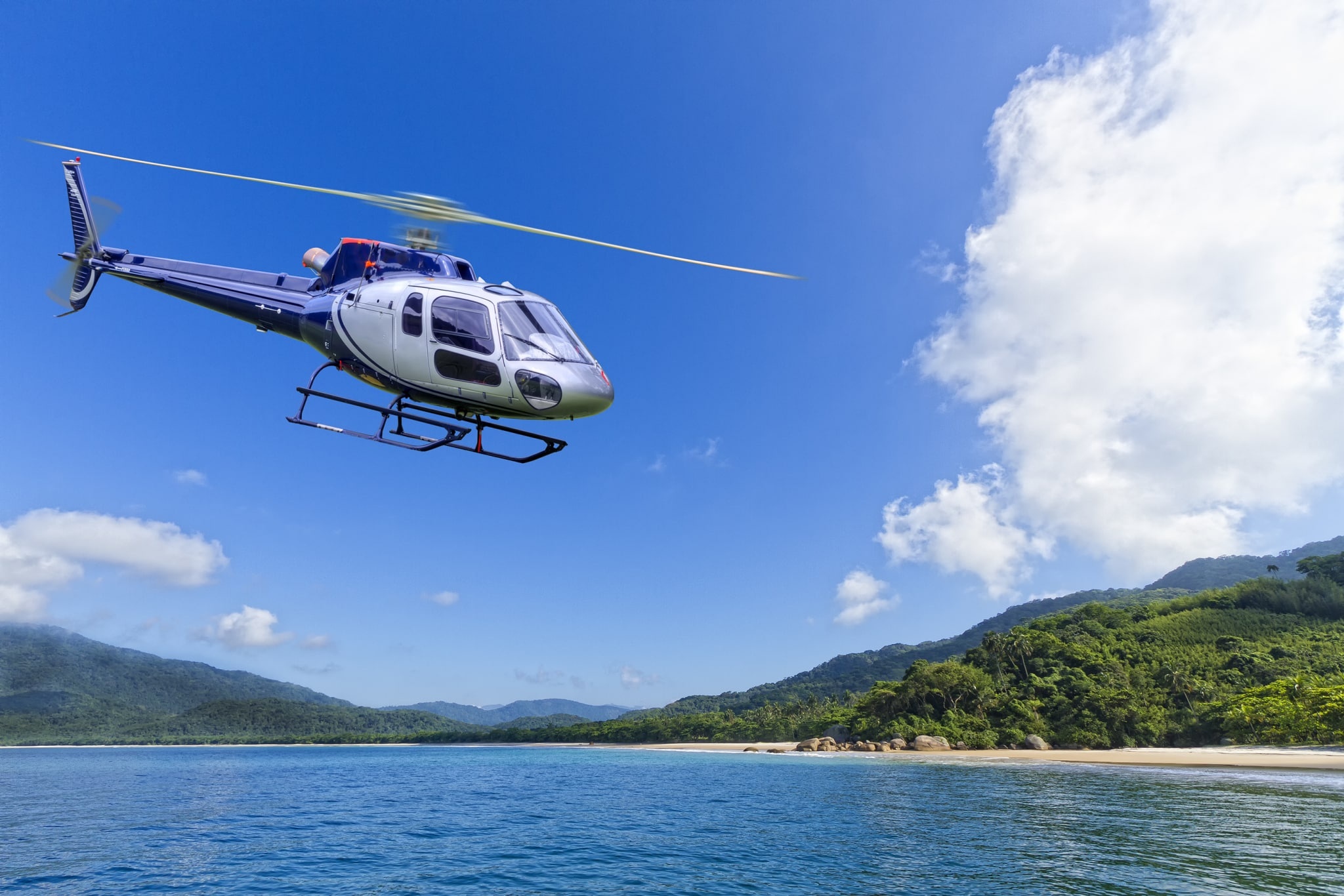
Activity focus: Scenic flights, helicopter tours, and aerial photography
Typical aircraft: small fixed-wing planes and light helicopters (operator dependent)
Visibility and wind strongly affect availability and route options
Flights provide a unique perspective on lava flows, steam vents, and coastline reefs
Park overflight rules and FAA advisories may constrain routes and altitudes

Best Time to Visit

Best Months

AprilMaySeptemberOctober

Weather Notes

Calmer trade-wind periods in spring and early fall often produce the smoothest flying and best visibility. Mornings typically offer steadier air; afternoons can develop orographic clouds and stronger winds. Rain is frequent in upland rainforest zones and can reduce visibility quickly.

Peak Season

Winter holidays and summer travel months bring the most visitors; operators may book out and weather windows can be narrower during active trade-wind periods.

Off-Season Opportunities

Shoulder months can offer good value, fewer crowds, and excellent light for photography. Plan for occasional cancellations and keep flexible ground alternatives.

Frequently Asked Questions

Do I need a permit to fly over Hawai‘i Volcanoes National Park?

Overflight rules and park policies affect routes—operators are responsible for permitting and adhering to park and FAA regulations. Always confirm with your chosen provider about any route restrictions or special permissions.

Are air activities safe for first-time flyers?

Yes. Most operations catering to tourists use experienced pilots and well-maintained small aircraft. Disclose any medical conditions to the operator and follow preflight safety briefings. Weather can cause cancellations or adjustments.

Can I take photographs during the flight?

Absolutely. Window seats and compact lenses are ideal; helicopters may allow more flexible viewing angles. Operators may ask that you keep seatbelts fastened and follow safety instructions when shooting.

Choose Your Experience Level

Beginner

Short scenic flights designed for first-time flyers and families. Stable, narrated routes that prioritize comfort and broad vistas.

  • Caldera and summit scenic flight
  • Coastline and reef overview
  • Low-altitude rainforest approach (operator dependent)

Intermediate

Longer flights with focused themes—photography, geology, or combined coast-to-crater views—requiring more tolerance for variable conditions and bolder vantage points.

  • Extended island circuit with multiple landing viewpoints
  • Photography-focused flight timed for golden hour
  • Helicopter tour with closer approaches to steam vents (subject to park rules)

Advanced

Specialized aerial experiences for enthusiasts: multi-stop charters, aerial survey-style flights, or trips combined with remote-area hiking requiring additional planning and coordination.

  • Charter flights linking remote trailheads and aerial pick-ups
  • Custom photography or survey missions coordinated with operators
  • Combined air-and-ground itinerary for extended exploration

Insider Tips & Local Knowledge

Check weather and operator cancellation policies; plan backups for ground activities so a weather day still feels rewarding.

Book morning slots when possible—air tends to be smoother and visibility clearer. Ask your operator about window-seat preferences and which side of the aircraft offers the best views for the route you choose. Bring a small, fast camera and stow larger gear securely; helicopters are noisier and often require ear protection. Respect park and cultural restrictions: some features are sensitive and operators will follow no-fly corridors and altitude minimums. Finally, pair an air booking with a crater-rim hike, cultural center visit, or guided geology walk so you can continue the story on foot if conditions keep you grounded.

What to Bring

Essential

  • Photo ID required by most operators
  • Light jacket for elevated winds and cooler uplands
  • Camera with spare battery and memory card
  • Sunglasses and sunscreen
  • Motion-sickness remedy if prone

Recommended

  • Lens with moderate zoom (70–200mm equivalent) for detail shots
  • Ear protection for rotorcraft flights
  • Small daypack for ground-side transfers
  • Water bottle and quick snack

Optional

  • Compact binoculars for reef and bird observation
  • Polarizing filter for reducing glare on water shots
  • Notebook for jotting geological observations

Ready for Your Air Activities Adventure?

Browse 6 verified trips in Volcano with instant booking

Explore Top 15 Volcano, Hawaii Adventures →