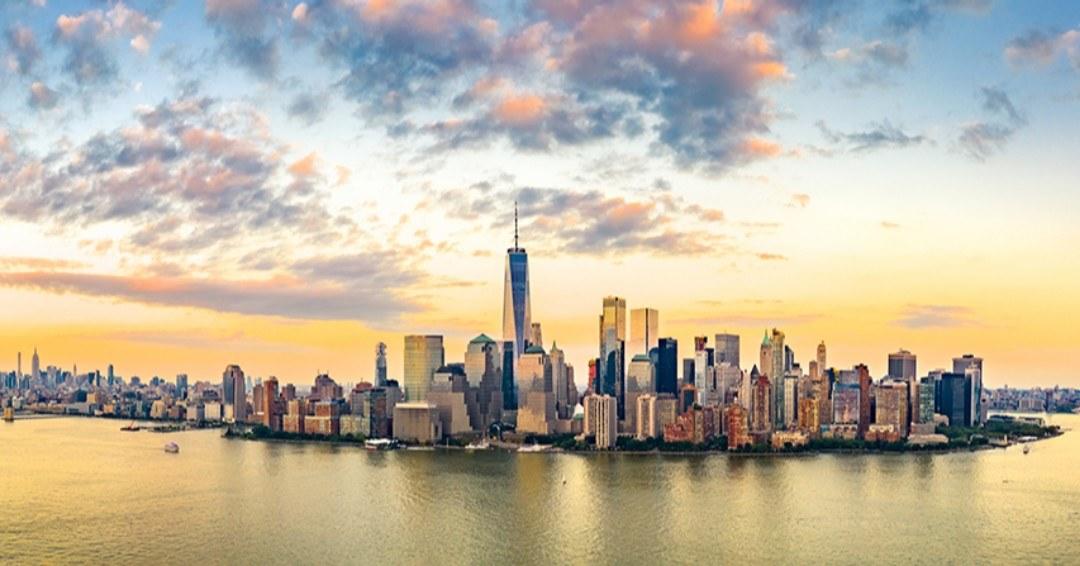
The first time you look up from a shaded trail in Watchung Reservation and see a ribbon of color drifting over the trees, it’s easy to forget you’re less than 20 miles from Manhattan. Verona’s appeal for air activities is neither grand nor alpine; it’s intimate—small launch fields, accessible flight schools, and ridgelines that create readable thermal pockets make the area ideal for short-duration, high-engagement flights. The landscape is a suburban tapestry: pockets of preserved forest, athletic fields that double as launch spaces for community events, and the low hills of the Watchung Range that produce predictable lift on stable days. That predictability is the kind of gift pilots and tandem instructors value: mornings with calm air for balloon inflation, late-afternoon ridge lifts favorable to paragliders, and clear days that make helicopter sightseeing worth every minute.
There is also a practical logic to flying here. Verona’s proximity to regional heliports and small municipal airports means experiences that begin and end within an hour of leaving home—no long drives required. That accessibility attracts a wide range of visitors: first-timers booking a short helicopter tour to see the skyline, photographers arranging drone sessions above the reservation’s rock outcrops and ponds, or adrenaline seekers taking a tandem paraglider flight off nearby ridges. For locals and visitors the experience is often paired—morning balloon flights followed by coffee in town, or a post-flight walk on Vernon Avenue and a late lunch at a neighborhood bistro. The region’s airspace sits in a complex matrix of FAA rules—Newark and Teterboro approach corridors demand awareness—so operators here work with those constraints, offering routes that maximize views while staying clear of controlled airspace.
Environmental and atmospheric considerations shape the best day to fly: early spring and fall often provide the most stable temperatures and clean visibility, while summer afternoons can bring convective activity that trainers and operators carefully avoid. Community events and educational demos at local parks make the skies accessible even if you’re not taking a ride—community balloon festivals or tethered rides are common entry points. For the adventurous, pairing an aerial activity with a riverside paddle, a hike through rock ledges, or a short winery or farm visit turns an airborne thrill into a full-day, layered experience. Above all, flying in and above Verona feels like a practical, neighborhood-rooted way to connect with the region’s topography and the broader corridor between suburban New Jersey and the city skyline beyond.
The mix of small airports, heliports, and open park spaces creates a local ecosystem for air sports—operators tend to be small, experienced, and flexible with weather windows.
Regulatory context matters: flights often route around Teterboro and Newark approach corridors, and drone pilots must follow FAA rules and local bylaws when operating over preserves and populated areas.
Choose by purpose
Whale watching, snorkeling, sunset sailing, cultural canoeing, harbor sightseeing, or private chartering.
Start near the city
Waikiki and Honolulu Harbor are primary hubs, with some trips launching near Hanauma Bay.
Confirm the vessel
Gangways, shaded seating, and boarding requirements vary according to vessel size and operator.