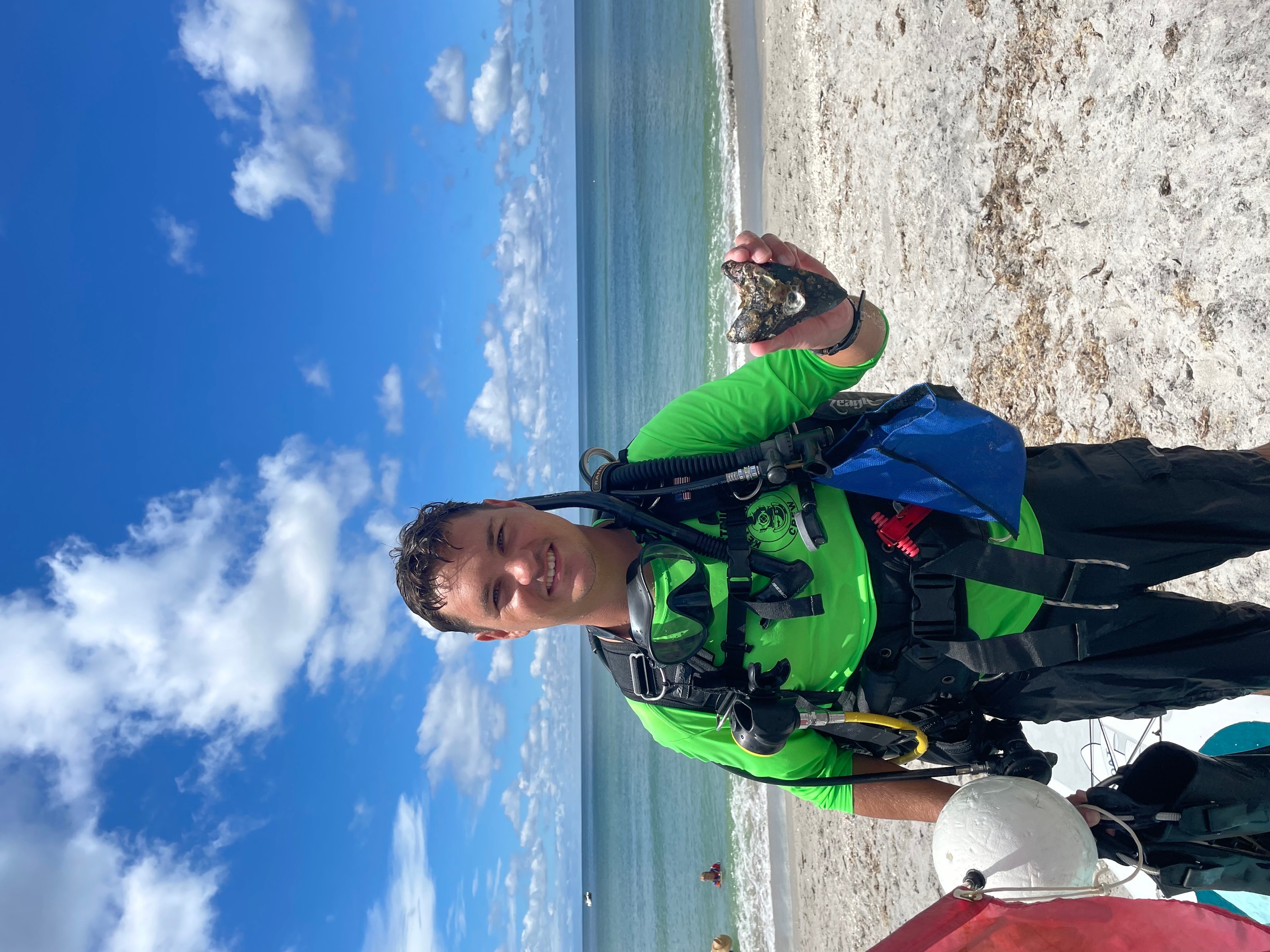
There’s something cinematic about slipping beneath the surface off Venice: the beach light dims, particulate drops away, and the Gulf opens into an ordered, luminous world. Unlike the steep drop-offs of the Florida Keys, Venice’s underwater terrain is a patient patchwork of sand flats, limestone ledges, and artificial reef clusters—perfect for long, exploratory swims between structure. Divers here trade dramatic walls for a different kind of intimacy: encounters with thriving reef communities, patient groupers perched on ledges, rays that fold into the sand, and seasonal runs of baitfish that bring in larger predators.
Venice’s reputation rests on two complementary draws. First, the proximity of numerous accessible wrecks and reefs along the Suncoast Shipwreck Trail: many of these sites were intentionally scuttled or installed to create habitat, and they sit at depths that welcome sport divers and advanced beginners alike. Second, the area’s unique paleontological fame—Venice is known as the “Shark Tooth Capital of the World”—adds a land-to-sea continuity to the experience. Days can start with beachcombing for fossil teeth and end with dives over concrete rubble reef that teem with juvenile tropicals. The city’s dive operators cater to that mix, offering short boat runs to shallow wrecks, guided reef swims, night dives, and specialty trips for photographers and naturalists.
Seasonality and conditions shape the story underwater. Visibility varies with weather and seasons but often settles into a reliable, comfortable range during spring and fall months. Winter brings cooler water and sometimes clearer visibility; summer’s warmth encourages fish activity but can reduce sightlines on choppy days. Currents are generally mild close to shore but can become more significant on offshore reefs and wrecks—conditions that make local briefings essential. For travelers seeking variety, Venice’s scuba landscape is cooperative: you can pair a morning reef dive with an afternoon kayak or a shore-based snorkel, or pivot to fishing, birding, and paleontology on rest days. Ultimately, Venice rewards divers who appreciate approachable wrecks, biologically rich reefs, and the gentle tempo of Gulf diving rather than extreme depths or complicated drift runs.
Accessible wrecks and artificial reefs make Venice a great training ground for new wreck divers and a consistent playground for experienced divers seeking macro life and groupers.
The local dive community is compact and service-oriented; many operators run small boats with frequent, short trips—ideal for half-day schedules and repeat dives.
The harbor is the gateway, and the Pacific becomes the classroom.
Venice’s coastal culture blends beachcombing and seafood with conservation-minded stewardship; many dives focus on reef health and are paired with citizen science opportunities.
Choose by purpose
Whale watching, snorkeling, sunset sailing, cultural canoeing, harbor sightseeing, or private chartering.
Start near the city
Waikiki and Honolulu Harbor are primary hubs, with some trips launching near Hanauma Bay.
Confirm the vessel
Gangways, shaded seating, and boarding requirements vary according to vessel size and operator.