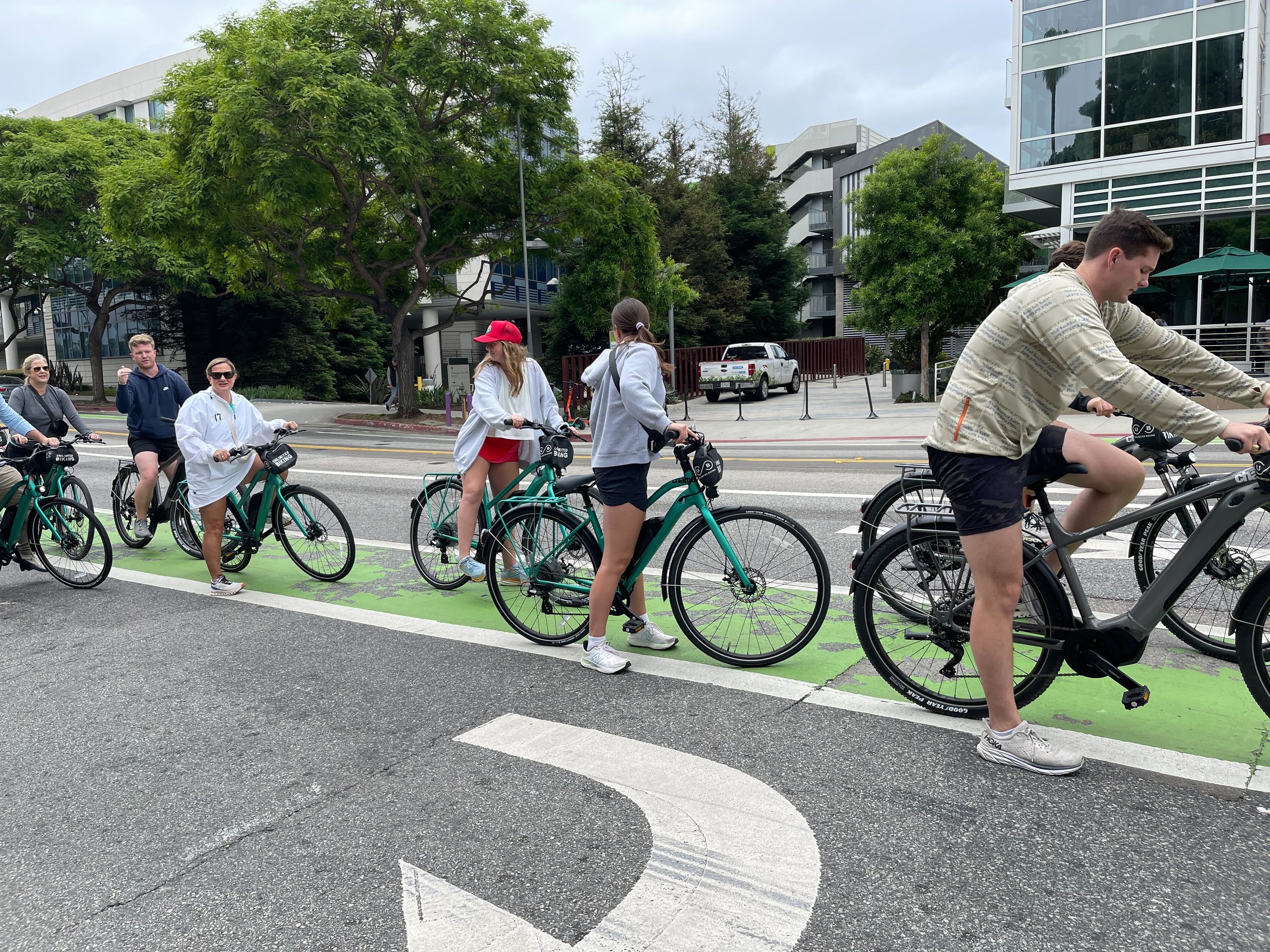
1

E‑Bike Adventures in Tujunga, California

Tujunga, California

Tujunga sits at the junction of suburban Los Angeles and the ragged, chaparral-clad slopes of the San Gabriel Mountains—an ideal launch point for electric-bike exploration. E-bikes here translate steep canyon climbs and long fire-road traverses into accessible, daylight-length adventures, opening quiet ridge lines, sketchy gravel connectors, and sweeping canyon roads to a wider range of riders.

18
Activities
Year-Round (watch summer heat & seasonal closures)
Best Months

Top E-Bike Trips in Tujunga

18 trips • Book with confidence • Instant confirmation

Why Tujunga Works for E‑Biking

There’s a particular sound to mornings in Tujunga—an impatient hum as e-bike motors wake beneath the first gold of sun spreading down Little Tujunga Canyon. That low, steady assist becomes the thread that ties together a surprising variety of terrain: pavement that snakes up canyon floors, wide graded fire roads that gain long stretches of elevation without technical exposure, and short, rocky singletrack sections that reward careful line choice rather than brute power. For riders who want to stretch a day into an exploratory loop, e-bikes turn otherwise exclusive summits and ridge-lines into reachable goals.

The physical landscape here is straightforward but nuanced. The San Gabriel foothills are dominated by chaparral, oaks, and occasional pine pockets at higher elevations; drainage lines cut steep gullies that create dramatic climbs and descents. Unlike wilderness areas with long, remote backcountry approaches, Tujunga’s trails and roads are often short drives from neighborhoods, making early starts and late returns equally feasible. You’ll pass old ranch roads, water tanks and service roads, occasional equestrian traffic, and the human traces of the valley—small neighborhoods, historic waterworks, and roadside citrus groves—reminders that these routes were shaped by utility as much as recreation.

E-bikes are uniquely suited to this mixture. For casual riders or mixed groups, an e-bike evens out ability differences and keeps longer circuits social; for experienced riders, a pedal-assist lets you explore farther without sacrificing fitness. That said, local rules matter: Angeles National Forest and other land managers have specific regulations about e-bike classes and where they can ride. Always check current trail designations before you roll out. Seasonality also drives the experience—spring brings carpeted hills of wildflowers and manageable temperatures, while summers demand early starts to beat the heat and an honest plan for battery and hydration management. Wildfire season and related closures are an occasional reality; a flexible itinerary and real-time alerts are part of planning.

Beyond the ride itself, Tujunga’s proximity to the broader San Gabriel range makes it a smart base for complementary activities: trail running on adjacent singletrack, birdwatching in the wash, or a mellow gravel cruise through nearby valley roads. Culture seeps in too—the area sits on Tongva lands, and a short drive gets you deeper into the stories of the valley’s early inhabitants and waterworks history. Ultimately, e-biking in Tujunga is less about a single signature climb and more about the freedom to stitch together routes—paved canyons, service roads, and permitted singletrack—into an afternoon of varied terrain, broad views, and a real sense of place.

E-bikes broaden who can enjoy the canyon: families, older riders, and mixed-ability groups can tackle longer loops together because assistance buffers steep, sustained pitches.

Plan around conditions—heat, wind, and seasonal closures shape how far you can responsibly go. Battery management and leaving a contingency for charger access are key practical considerations.

Activity focus: E-Bike (pedal‑assist) exploration and mixed-surface loops
Terrain: paved canyon roads, wide fire roads, limited permitted singletrack
Accessibility: short drives from valley neighborhoods; good for mixed-ability groups
Restrictions: e-bike access varies by trail manager—check Angeles National Forest and LA County rules
Hazards: summer heat, steep grades, seasonal wildfire closures and smoke

Best Time to Visit

Best Months

MarchAprilMaySeptemberOctoberNovember

Weather Notes

Spring and fall offer the most comfortable temperatures and stable riding conditions. Summers can be hot and dry—start rides at sunrise and carry additional water. Winter brings cooler days and occasional muddy sections after rain; wildfire smoke can affect air quality during late summer and fall.

Peak Season

Spring wildflower months and fall shoulder-season weekends draw the most local riders.

Off-Season Opportunities

Winter weekdays can be quiet and pleasant on mild days; early-summer mornings are an option for avoiding heat and crowds.

Frequently Asked Questions

Are e-bikes allowed on trails around Tujunga?

Access rules vary by land manager and by e-bike class. Angeles National Forest, LA County parks, and local trail associations may permit Class 1 e-bikes on certain roads and fire roads but restrict motors on designated singletrack. Always check current regulations for the route you plan to ride.

Where can I rent or service an e-bike near Tujunga?

There are rental and service shops across the San Fernando Valley and greater Los Angeles; availability changes seasonally. For same-day plans, confirm reservations and helmet availability in advance.

How should I manage battery range on long canyon loops?

Start with a full charge, favor lower assist levels on sustained climbs, and plan a route with bailout options (shorter climbs or paved roads) if your battery runs low. Carry a charger or spare battery if your bike supports it, and leave extra time for conservative riding.

Choose Your Experience Level

Beginner

Short paved canyon rides and gentle graded fire-road climbs where electric assist compensates for steep pitches.

  • Little Tujunga Canyon out-and-back on paved road
  • A relaxed wash-side cruise with stops for birdwatching
  • Short loop combining paved streets and a wide service road

Intermediate

Longer mixed-surface loops with sustained climbs, some gravel sections, and brief technical patches—best for riders comfortable handling a heavier bike on dirt.

  • Big Tujunga Wash connector loop using fire roads and canyon pavement
  • Ridge climb with mixed gravel and packed dirt sections
  • Gravel day loop that links multiple canyons and viewpoints

Advanced

Endurance-focused routes with significant elevation gain, long descents, and technical connectors where permitted. These rides require battery strategy, route knowledge, and strong handling skills.

  • All-day canyon-to-ridge loop with steep sustained climbs
  • Extended gravel traverse into higher San Gabriel approaches
  • Early-morning long-distance ride linking multiple canyons and service roads

Insider Tips & Local Knowledge

Check trail access, closures, and air quality before you go. Respect local rules about e-bike classes and trail use.

Time your ride to avoid midday heat—summer rides begin at sunrise. Santa Ana winds can make ridge-line riding gusty and dusty; secure loose items and be aware of falling branches. Lock your bike when you stop in town; theft can happen anywhere. Practice conservative assist use on long climbs to preserve battery for the return, and carry a phone battery pack for navigation and emergencies. When sharing singletrack or multi-use roads, announce passes and slow down for horses and hikers. Because Tujunga sits near wildland-urban edges, carry a basic plan for emergencies and let someone know your route and expected return. Lastly, support local stewardship: pack out snacks and waste, stick to designated routes, and report any trail damage to land managers.

What to Bring

Essential

  • Helmet (required in California for many riders and strongly recommended for all)
  • Water: at least 2 liters for half-day rides; more in summer
  • Spare tube, patch kit, and mini-pump
  • Phone with mapping app and a portable charger
  • Basic multi-tool and chain quick-link

Recommended

  • Pannier or handlebar bag for extra battery or layers
  • Light windbreaker or arm warmers for ridge-line exposure
  • Gloves, sunglasses, and sunscreen
  • Tire sealant for tubeless setups

Optional

  • Compact lock for quick stops in town
  • Small first-aid kit
  • Camera or action-cam for ridge and canyon views
  • Spare battery if your e-bike supports quick swaps

Ready for Your E-Bike Adventure?

Browse 18 verified trips in Tujunga with instant booking

Explore Top 15 Tujunga, California Adventures →