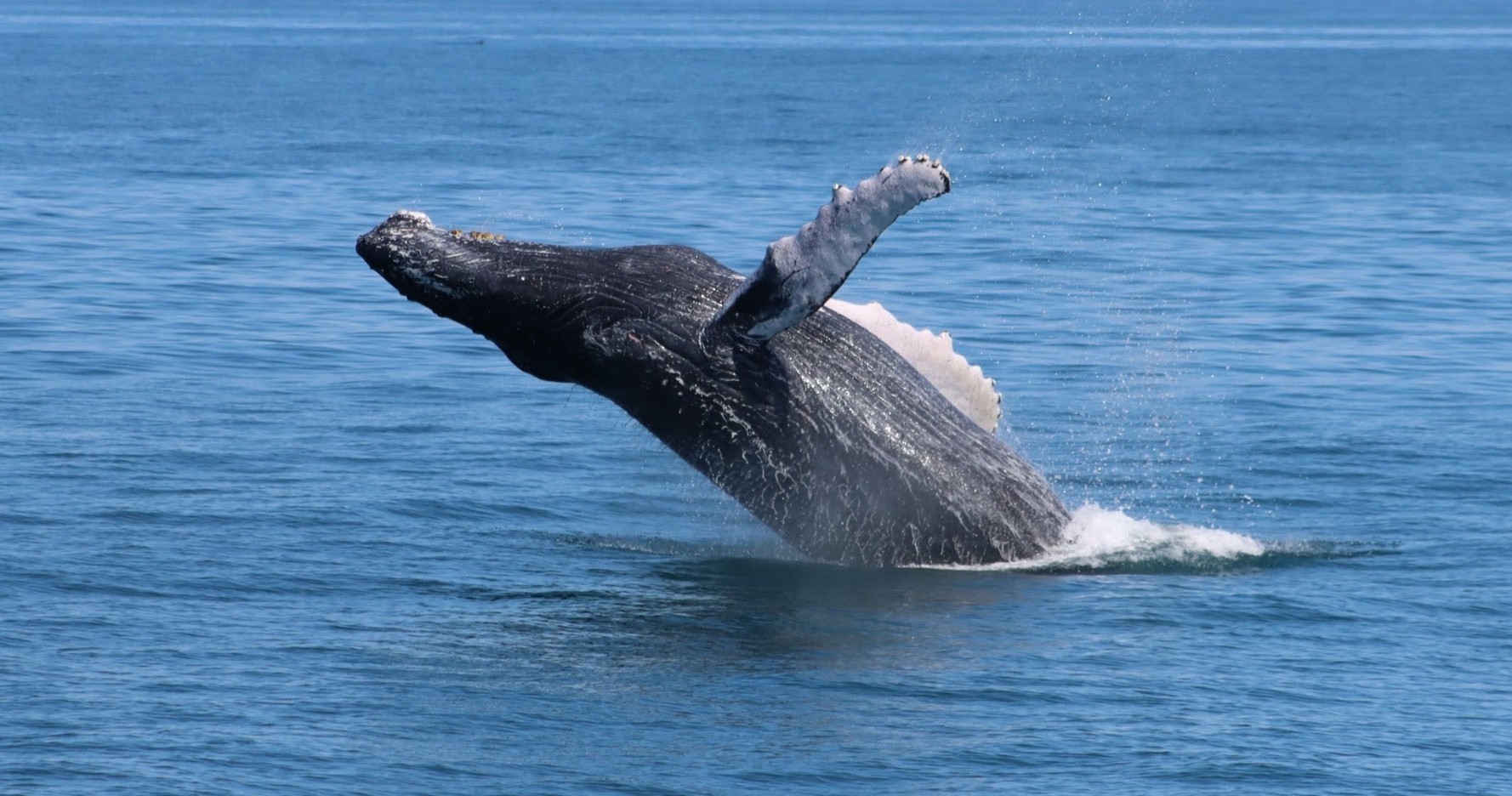
Dolphin Watching & Nearshore Marine Encounters in Tuckahoe, New Jersey
Tuckahoe sits where tidal marsh and open bay stitch together a corridor of food and shelter that regularly draws Atlantic bottlenose dolphins close to shore. Whether you’re scanning from a kayak, a chartered small boat, or the dunes at sunrise, dolphin encounters in this corner of southern New Jersey are intimate, often playful, and shaped by tides, seasonal forage, and the same currents that make the area a magnet for seabirds and flounder alike.
Top Dolphin Trips in Tuckahoe
4 trips • Book with confidence • Instant confirmation
Why Tuckahoe Is a Notable Place to Watch Dolphins
Tuckahoe’s quiet estuarine edges are part of a larger marine tapestry where shallow mudflats, tidal creeks, and nearby deep channels meet the Atlantic—conditions that concentrate baitfish and, by extension, predators. The effect is both ecological and cinematic: schools of small fish push along sandbars and channel edges, and dolphins cruise those margins on the hunt. For visitors seeking marine life without the bulk of big-boat crowds, this is ideal terrain. Here, watching is as much about reading tides and wind as it is about luck. Dawn and the hours before dusk offer the calm waters and low light that make surface behavior most visible, and mid- to late summer often yields the most consistent sightings thanks to warmer water and abundant forage.
Beyond the immediate thrill of watching crooks and dorsal fins slice the surface, a Tuckahoe dolphin outing is a crash course in coastal ecology. You’ll notice marsh wrens and herons operating on the shore, sea grasses waving in the shallows, and the constant, hush-like noise of distant engines and gulls. Small-group kayak trips bring you close enough to feel the spray when dolphin pods ride a bow wave; guided boat excursions access deeper channels where adults and juveniles may feed together. For photographers and field-naturalists, the experience is layered: behavioral observation (foraging vs. traveling vs. social play), identification (often bottlenose in these waters), and learning about the interplay of human uses—recreational fishing, clamming, and wildlife viewing—that shapes when and how people see dolphins.
Practicality frames the romance here. Tuckahoe’s nearshore waters are shallow, with quickly changing tides and exposed sandbars that can confound a novice boater; local knowledge matters. Weather can turn on a sea breeze or passing frontal line, so trips are most reliable on calm, low-wind days. Ethical viewing is also central: this is habitat, not a performance space. Keep distance, minimize noise and sudden speed changes if you’re in a motorized craft, and favor licensed guides who follow state and federal marine-wildlife rules. The payoff is access to up-close moments—a curious juvenile riding the bow, an aerial tail-slap, or a pod weaving through a channel like a living ribbon—that are vivid but fleeting, best appreciated with patience and preparation.
The variety of vantage points matters: shoreline views from low dunes, paddle routes through tidal creeks, and small-boat channels each offer different encounter dynamics. Shore-based watching is accessible and low-impact; kayaks provide intimacy and silence; small motorboats let you cover more water and find concentrated activity.
Seasonal rhythms govern sightings. Late spring and summer bring warmer water and abundant baitfish; fall can produce concentrated feeding events as migrating species pass through. Winter sightings are less common but not impossible, especially in mid-winter warm spells or during stranding events of other species that alter prey distribution.
Best Time to Visit
Best Months
Weather Notes
Warmer months bring calmer seas and abundant bait—ideal for viewing. Sea breezes pick up in the afternoon; mornings are generally calmer. Late-summer thunderstorms are possible; check marine weather forecasts before heading out.
Peak Season
Summer (June–August) for the most consistent nearshore sightings and calm-weather outings.
Off-Season Opportunities
Shoulder seasons (May and September–October) can yield concentrated feeding events and fewer crowds. Winter sightings are rare but possible during unseasonably warm periods.
Frequently Asked Questions
Do I need permits to launch a kayak or small boat around Tuckahoe?
Launch regulations and ramp fees vary by municipality and private marinas. Check local township or county resources for boat-launch rules and seasonal closures; some public launches may require a fee or parking permit.
How close can I legally get to dolphins?
Federal and state guidelines aim to minimize disturbance. Maintain a respectful distance—approach slowly and avoid cutting off a pod’s path. If in doubt, allow the animals to dictate proximity: if they alter behavior, back off.
Are guided tours necessary to see dolphins?
Guided trips increase your chances because captains and guides know the local tides, channels, and seasonal hotspots. However, shore-based spotting and kayak outings can also produce sightings with patience and local tide knowledge.
Choose Your Experience Level
Beginner
Shore-based spotting and short, flat-water kayak trips in protected tidal creeks. Suitable for families and those new to marine wildlife watching.
- Sunrise shore watch from low dunes
- Guided short kayak through a tidal creek
- Half-day, small-group boat outing near the mouth of the Tuckahoe River
Intermediate
Longer paddle outings, self-guided boat trips in nearshore channels, and photography-focused excursions that require basic sea sense and comfort with changing winds and tides.
- Paddle to sandbar edge at low tide for close-range viewing
- Full-day bay boat trip targeting feeding aggregations
- Guided photography cruise with emphasis on behavior
Advanced
Open-coast navigation and extended offshore trips into deeper channels—requires solid boat-handling skills, understanding of tides and weather, and appropriate safety equipment.
- Navigation of tidal channels at varying states of tide
- Extended offshore photography or research-style charter
- Self-led small-boat search pattern in variable sea states
Insider Tips & Local Knowledge
Respect wildlife, check tides and marine forecasts, and prioritize safety—especially when launching from shallow, tidal ramps.
Start early for calmer winds and better light; dolphins are often more active near dawn. Use a tide app to plan launches—sandbars and mudflats expose quickly and can strand small craft. If paddling, pick routes that keep you in protected creeks when wind is forecasted above 10–15 knots. Keep noise low: kayaks and quiet electric motors attract less attention and let dolphins approach on their terms. Bring polarized glasses to see subsurface movement and scan channel edges and foam lines where bait concentrates. Combine a dolphin outing with complementary coastal pursuits—birding in the marshes, surf-fishing along the inlet, or a sunset beach walk—to round out a day in the ecosystem. Finally, document sightings (notes, photos, date/time, approximate pod size) and consider sharing non-sensitive observations with local marine mammal networks to support regional conservation and monitoring.
What to Bring
Essential
- Binoculars and a camera with a zoom lens
- Windproof layers and sun protection (hat, SPF)
- Seasickness medicine if prone or on small craft
- Water, snacks, and a dry bag for electronics
- Personal flotation device (PFD) for any kayak or small-boat trip
Recommended
- Polarized sunglasses to reduce surface glare
- Tide chart or app and basic navigation bearings
- Small first-aid kit and waterproof phone case
- Light field guide for local marine mammals and seabirds
Optional
- Telephoto lens for detailed photography
- Compact spotting scope for shore-based watches
- Notebook for behavioral observations
Ready for Your Dolphin Adventure?
Browse 4 verified trips in Tuckahoe with instant booking
Explore Top 15 Tuckahoe, New Jersey Adventures →