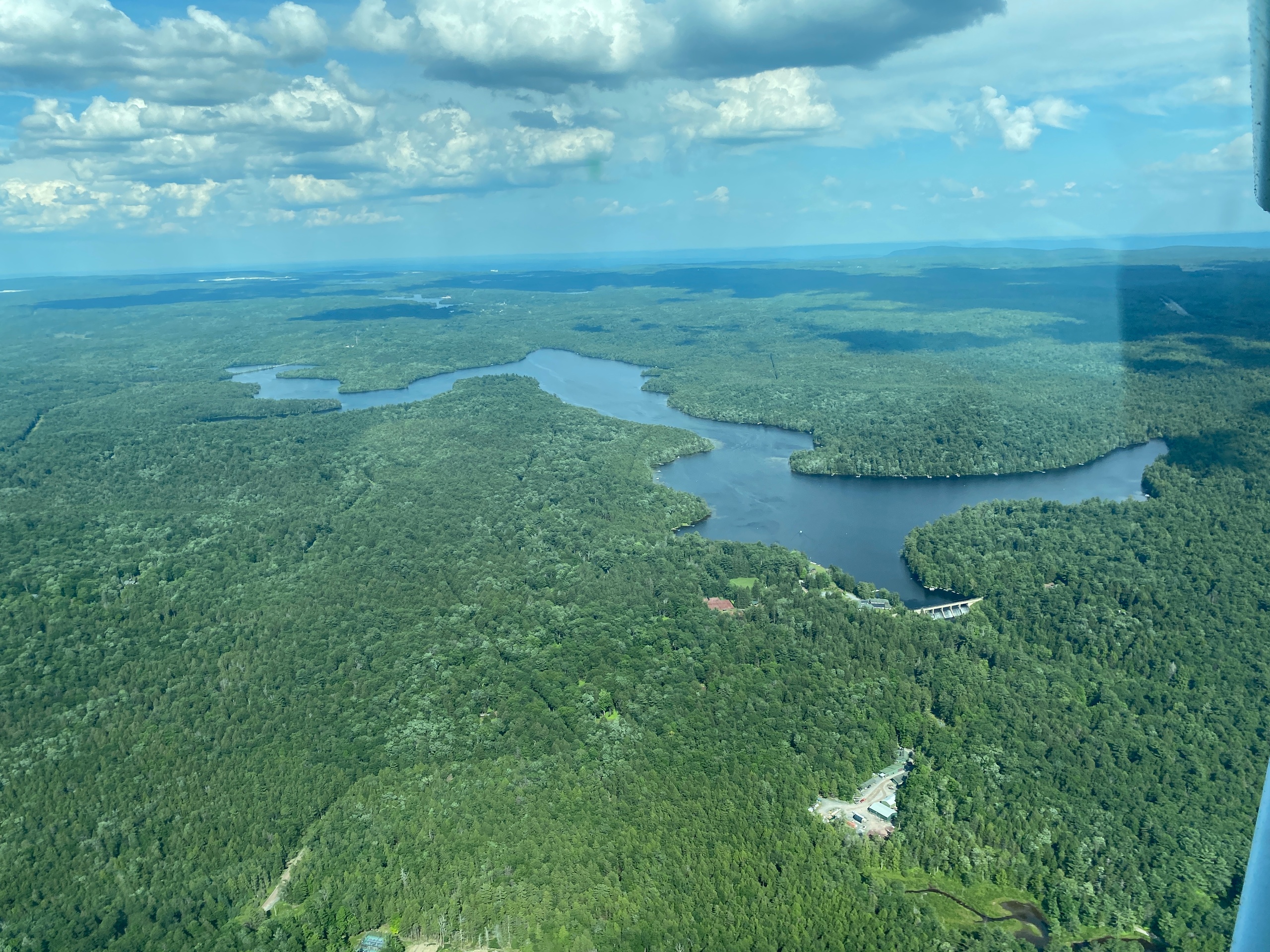
Top Air Activities in Throop, Pennsylvania
Throop Air Activities Guide

Top Air Activities in Throop, Pennsylvania

Throop's modest borough footprint belies an outsized relationship with the air. Nestled along the Lackawanna River and fringed by the Moosic ridgeline, the town serves as a calm staging ground for balloonists, small-aircraft scenic tours, powered paragliders, and tandem paragliding launches from nearby high points. The mix of valley lowlands, coal-era open spaces, and forested high ground creates a variety of flight conditions—gentle morning thermals for balloons and early-season glides, plus pockets of lift near ridgelines for paragliders. This guide focuses on the airborne experiences you can comfortably plan from Throop: what the terrain and weather demand, how to access launch sites and airports, and which complementary land-based adventures pair best with time in the sky.

Lackawanna River ValleyMoosic MountainsScranton–Wilkes-Barre CorridorPocono Foothills

Live destination inventory

Top Air Activities Trips in Throop

6 trips · Book with confidence · Instant confirmation

The prototype intentionally does not invent replacement trip cards or add images that are not already part of the live source page.

The city from the water

Why Throop Is a Notable Air-Activity Hub

Throop sits at a crossroads of valley calm and upland edge—an unusual combination for airborne recreation. The borough itself is low-lying along the Lackawanna River, with neighborhoods and former industrial parcels that open into fields and floodplain meadows; those flat, accessible launch and landing zones are part of why balloon operations and small-scale scenic flights find this pocket of northeastern Pennsylvania convenient. Just uphill, the Moosic Mountains—part of the larger Appalachian foothills that preside over much of the region—offer ridge lines and sheltered faces that generate predictable lift for paragliding and powered paragliding pilots. Those successive layers of terrain create a compact learning ground: novices can sample gentle, guided balloon flights over open farmland and river meanders, while more experienced fliers head for ridgeline launches and thermally active afternoons. The area's history folds into the experience. Once shaped by anthracite mining and rail commerce, the landscape carries scars and reclamation efforts that have produced broad fields, rail-trail corridors, and open sky corridors that are ideal for accessible landings and recovery. On clear mornings you can see glimpses of both old industry and green recovery from the air—the patchwork of reclaimed lots, suburban roofs, and the linear flash of the river—offering a uniquely human-angle for aerial photography and slow-flight scenic tours. Weather patterns here are practical: cool, stable mornings in spring and summer deliver the calm air balloonists prefer; afternoons, particularly on warm days, generate thermals that attract gliders and paragliders but can make flights bumpier. For aviators, understanding local microclimates—how the valley traps cool air at dawn and how ridge exposures heat quickly—is part of the planning process. Access and logistics are straightforward by regional standards. Throop is a short drive from Scranton and Wilkes-Barre, and within reach of the Wilkes-Barre/Scranton International Airport for those arriving by commercial air. Private pilots and operators typically stage from nearby small airfields and landing strips; tandem paragliding and ultralight experiences frequently run from high-clearance points a short drive from town. Because much flight activity operates over private property or reclaimed industrial parcels, good pilots and providers maintain clear landing agreements and landowner relationships—travellers should favour established operators who emphasize safe, legal landings and respect for local property. Complementary activities are plentiful: post-flight hikes in the Moosics, riverside paddling on the Lackawanna, and rail-trail cycling offer grounded ways to extend a day in the air into a longer adventure package.

Morning calm is king: many air activities in and around Throop run at first light when winds are light and thermals minimal—book accordingly and expect early pickup or meeting times.

Throop's mix of open land and nearby ridgelines creates an accessible progression for visitors: tethered or short scenic flights, then tandem paragliding or ultralight hops for those seeking more exposure.

The harbor is the gateway, and the Pacific becomes the classroom.

Respect for land access and local weather patterns is essential. Operators who coordinate with landowners and communicate clear cancellation policies will give you the safest and most reliable experience.

Activity focus

Choose by purpose

Whale watching, snorkeling, sunset sailing, cultural canoeing, harbor sightseeing, or private chartering.

Departure hubs

Start near the city

Waikiki and Honolulu Harbor are primary hubs, with some trips launching near Hanauma Bay.

Accessibility

Confirm the vessel

Gangways, shaded seating, and boarding requirements vary according to vessel size and operator.

Seasonal planning

Best Time to Visit

Throop is warm year-round, but wind, swell, migration, visibility, and demand change the best match between traveler and trip.

Throop boat tour
Year-round destination

Seasonal highlights change the reason to go

Winter favors humpback encounters; warmer, calmer months favor snorkeling visibility and smoother water.

Humpback season

Late spring through early fall, when operators run the majority of flights and favorable morning windows are frequent.

Prime whale watching, winter holidays, higher demand, and earlier sell-outs.

Snorkeling window

April–May–June–September–October

Typically gentler seas and clearer water for snorkeling trips.

Weather notes

Trade winds year-round

Spring and early summer mornings deliver the calmest conditions for ballooning and scenic flights. Late summer and early fall offer strong thermals that are good for experienced gliders but can increase turbulence for uncertified riders. Winter limits most commercial air activities, though clear, cold days occasionally permit local scenic flights.

Quieter opportunities

Late spring & summer weekdays

Winter flyers should anticipate reduced availability; off-season options include ground-based aerial photography workshops and planning trips combined with nearby hiking or cultural visits.

Match the trip to your comfort

Choose Your Experience Level

Low effort

Beginner

Introductory, guided experiences that require no prior flying skill—emphasis on safety, views, and short durations.

  • Tethered or short duration hot-air balloon rides over the river valley
  • Tandem scenic flights in small aircraft (brief orientation included)
  • Introductory ultralight or gyroplane demo flights
Active day trip

Intermediate

Longer scenic flights, tandem paragliding from nearby ridgelines, and experiences that involve more exposure and basic passenger participation.

  • Full balloon sunrise flights with extended flight time
  • Tandem paragliding from ridge launch sites in the Moosics
  • Piloted small-aircraft scenic tours that include low-level passes
Longer or technical

Advanced

Self-managed air sports or technical flights requiring certification, local familiarity, and planning for variable lift and landing sites.

  • Solo paragliding or powered paragliding from upland launches
  • Cross-country gliding and ridge-soaring trips (pilot-certified)
  • Advanced ultralight or gyroplane flights that require aircraft rental and local airspace knowledge

Prepare for sun, spray, and swell

What to Bring

Essential

Core kit

  • Government ID (required for airport access and most operators)
  • Layered windproof clothing (temperatures are cooler aloft)
  • Closed-toe shoes with grip
  • Sunglasses and sun protection
  • Phone with charged battery and offline map capability
Recommended

Useful extras

  • Compact camera with tether or wrist strap (to avoid drops)
  • Light gloves for early-morning balloon or paraglider launches
  • Small daypack for post-flight hikes
  • Motion-sickness medication for those prone to airsickness
  • Reusable water bottle
Optional

Trip-specific

  • Binoculars for bird and landscape spotting
  • Light waterproof shell for variable spring/fall weather
  • Headlamp for pre-dawn meetups
  • Notebook or sketchbook for observational journaling from launch sites
Confirm pickup logistics, landowner permissions, and pilot credentials before booking. Weather dictates the schedule—flexibility is necessary.

Insider Tips & Local Knowledge

Reserve whale-watching and popular sunset cruises well ahead during December–April.
Choose morning snorkeling departures for calmer seas and better underwater visibility.
For motion sensitivity, choose a larger vessel, sit mid-ship, and take preventative medication before boarding.
Do not touch coral or wildlife, avoid standing on reefs, and use reef-safe sunscreen.
Community-based operators may add context about traditional navigation and stewardship.
Arrive early for parking and check-in because Waikiki departure areas can be busy.

Planning questions

Frequently Asked Questions

No prior experience is required for most introductory experiences such as tethered balloons, tandem paragliding, or guided scenic flights—providers supply briefing and safety gear. Certification may be required for solo paragliding or powered ultralight operation.
Top Air Activities in Throop, Pennsylvania
Ready for your air activities adventure?

Browse 6 verified trips in Throop.

Compare current availability and book with instant confirmation.

Explore Throop air activities